


On a Tuesday, a capsule is a gift: you drop it in, press a button, and the cup is ready before the toast is. On a Saturday, you open a new bag of beans and realize the capsule machine cannot taste that bag with you. That contrast is the real Nespresso vs espresso machine decision.
This is a buying comparison, not a lecture about purity. Nespresso is strong at weekday convenience. A fresh-coffee espresso machine, often built around a 58mm portafilter, is strong at control. Meraki publishes this guide and makes one fresh-coffee all-in-one; it is an example of that second path, not a capsule competitor pretending to be a third pod system.
What Nespresso does well in a weekday kitchen
Capsules win when time and consistency matter most.
You do not grind, dose, or tamp. The machine punctures a sealed pod, runs a programmed brew, and leaves you with a short cup and a used capsule to empty later. That is a complete weekday system for many households.
The appeal is not mysterious. Guests can make a cup without a lesson. Early flights do not depend on you dialing in a grind. Flavor is as repeatable as the capsule you stocked. Original-line machines are designed around short, concentrated capsule cups; Vertuo-style machines use a different brew process and a barcode-led capsule, so you should compare the line you actually own or plan to buy, not a generic “Nespresso” idea. In either case, the kitchen skill is stocking capsules and descaling on a schedule, not managing a puck. For official context on how appliance energy habits add up, see ENERGY STAR. If that description feels like relief, take it seriously. Convenience is a valid design goal, not a character flaw.
What ‘espresso’ means when the coffee is a capsule
The word is doing a lot of work on the box.
A Nespresso cup can be short, intense, and crema-topped. A portafilter espresso is a different process: fresh coffee, a locked basket, and brew pressure you can change. Those are related drinks, not identical methods.
Specialty coffee usually talks about espresso as a pressurized extraction through a finely ground puck. Industry education resources from the Specialty Coffee Association treat espresso as a brew method with its own variables, not as a synonym for any small strong cup. Capsule machines fix most of those variables for you, which is exactly why the cup is consistent and why you cannot truly dial in a new roast. Pump pressure printed on a capsule machine is also easy to over-read: a rated pump number is not automatically the pressure at the coffee. Read the official machine page for the model in front of you, and judge the drink, not the largest bar claim. If you like the capsule cup, you do not need permission to keep it. If you want the portafilter process, you need a different machine.
Fresh beans, grind, and why taste changes day to day
Fresh coffee is a feature and a responsibility.
On a portafilter machine, you choose the bag, grind it for that machine, and adjust when the shot runs too fast or too slow. The cup can improve. It can also wobble from one morning to the next.
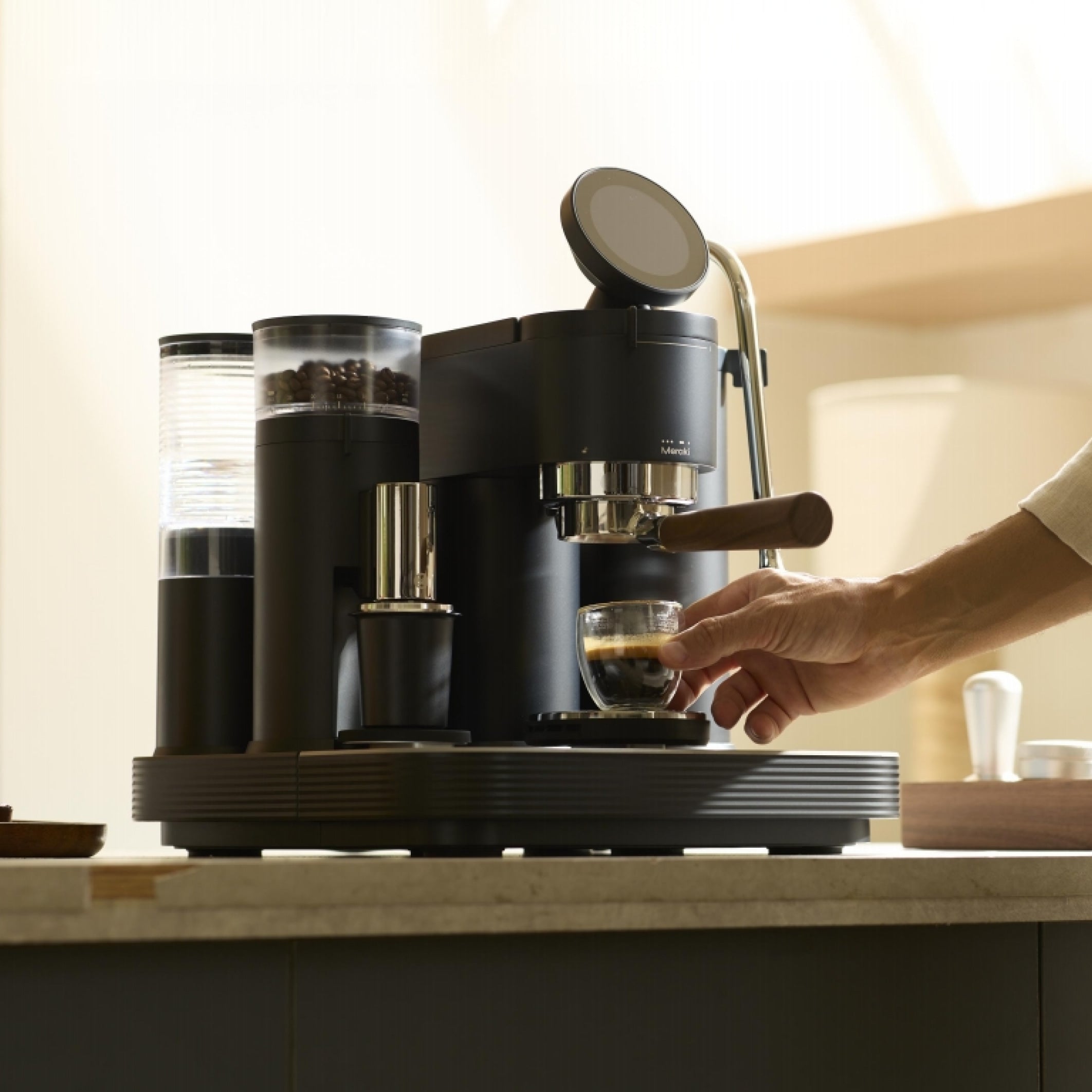
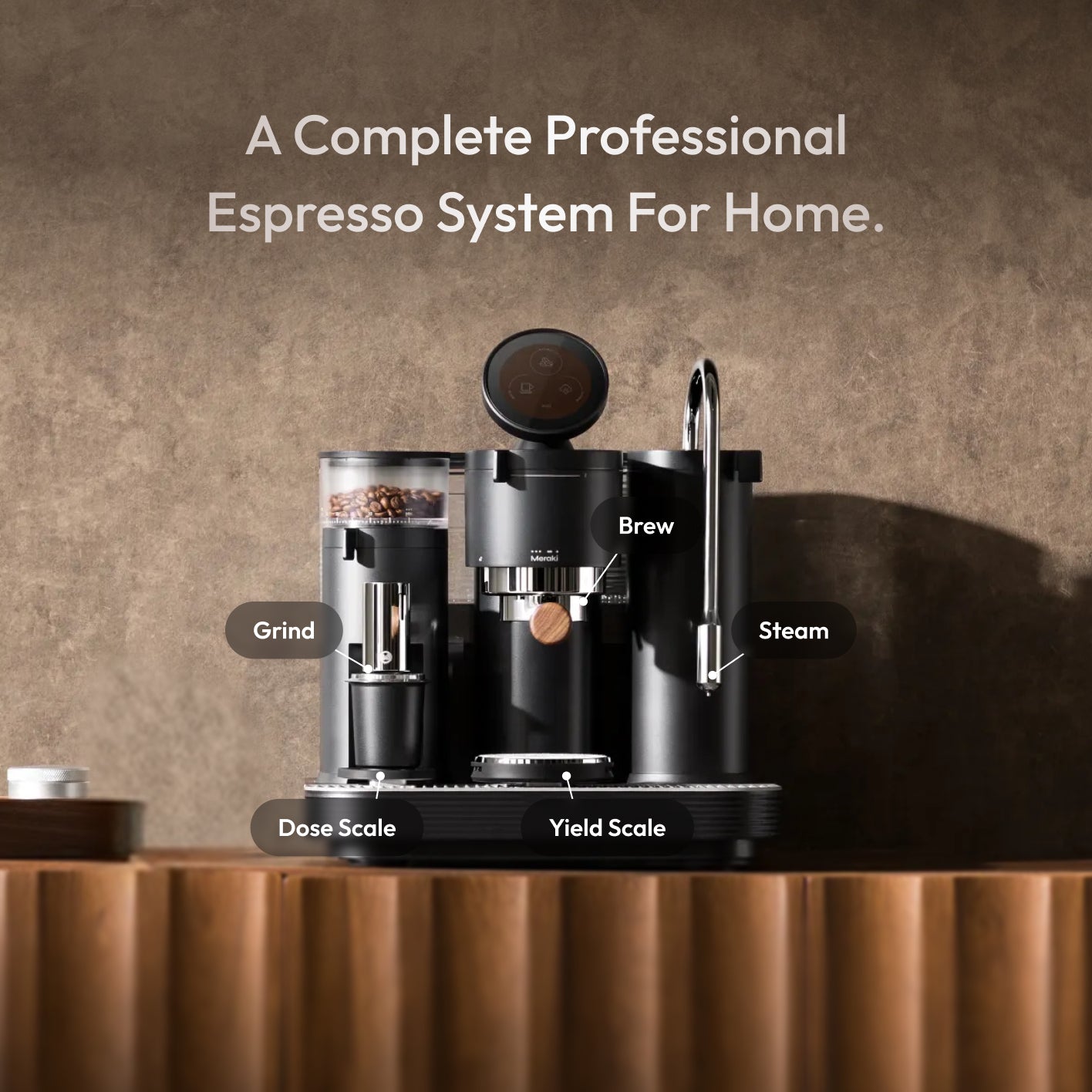
That is the trade capsules refuse to make. A sealed pod is already ground and dosed, so Tuesday tastes like Thursday. A fresh 58mm workflow can taste like the roaster you picked this week, which is the point of buying beans instead of a catalog of capsules. It also means stale beans, a dull burr, or a rushed tamp show up in the cup. If you enjoy that kind of feedback, a fresh-coffee machine will feel alive. If you want the drink to disappear into the background of a work morning, capsules are still doing their job. For roast-level language when you start buying bags, the National Coffee Association’s roast guide is a plain reference. The Meraki espresso machine is one guided way to grind and brew fresh coffee in a single footprint, with an integrated standalone grinder rather than a separate capsule catalog.
Milk drinks: steam quality versus pod-machine frothers
A short capsule cup can be the base of a milk drink, but the milk tool is usually the limiter.
Many capsule setups add a separate frother or a slim steam wand. A home espresso machine with a proper steam wand is built to texture milk in a pitcher for lattes and cappuccinos.
If your weekday order is a small, milky capsule drink and you are happy with the foam you already make, there may be nothing to fix. If you want microfoam you can pour, or you want to steam dairy and barista oat side by side, a dedicated steam wand on an espresso machine is the more honest upgrade. Do not assume a capsule machine’s “latte” button is the same as stretching milk with steam. Taste your current milk drink, then decide whether the coffee or the foam is the part you want to change.
Cost per drink over a year, without invented prices
Capsules usually cost more per cup; beans usually cost more in attention.
You should compare your real capsule habit to a bag-and-milk habit, using current shelf prices, rather than a number copied from an old article. Promotions change, and this page will not invent a per-pod figure.
The pattern is still clear. If you drink several capsules a day, the ongoing spend adds up because you are buying a packaged, single-use dose every time. Fresh beans bought by the bag, plus milk if you steam, often land lower per drink over a year, especially if you already waste fewer shots as you learn. The machine’s purchase price can be higher at the start, and you may want a few tools, so the first months are not a simple win. Run the math on the capsules you actually finish in a month, then look at the live price of the machine and beans you would buy. Confirm terms on the product page, and read owner notes on Meraki reviews instead of treating any outdated gift or shipping claim as current.
| Variable you can actually control | Nespresso (capsules) | Fresh-coffee espresso machine |
|---|---|---|
| Dose and grind | Fixed inside the capsule | You choose beans, grind, and dose |
| Day-to-day taste | Repeatable if you stock the same pod | Can improve or drift as you adjust |
| Milk | Often a frother or a limited wand | A steam wand can texture pitcher milk |
| Ongoing spend | Tied to capsule count | Tied to beans, milk, and water care |
| Flexibility | Limited to compatible capsules | Any suitable bean, plus a 58mm tool path on many machines |
Waste, capsule supply, and flexibility
A capsule is convenient because it is also a piece of packaging.
You need a supply of compatible pods, a place to store them, and a plan for used aluminum or compostable shells. A bean workflow produces spent pucks and a bag, which is a different waste stream, not a magical zero.
Recycling programs exist for some capsules and vary by region, so check the official program for your market rather than assuming the pod disappears. If running out of a favorite capsule is a monthly stress, fresh beans remove that exact constraint and introduce a new one: you have to grind and prep. Flexibility is the other half of the story. Travel, offices, and house guests may still be easier on a capsule machine. A home espresso bar is more flexible about coffee, and less flexible about time.
Learning curve: shots, channeling, and a first week
The first week is slower than a button, and that is expected.
You will learn what a fast, sour shot and a slow, harsh shot look like, and you will throw some coffee away while you do. Channeling — water punching a weak path through the puck — is a common early mistake, not a broken machine.
Keep the first week small: one bean, one dose target, and grind as the main adjustment. You do not need a lecture on every variable on day one. A guided workflow and a scale can shorten the messy part, but they do not eliminate it. If the idea of a learning week already makes you tense, staying with capsules is a reasonable choice. If you want that control, budget a little patience alongside the hardware. Independent brewing overviews, such as the NCA brewing page, can sit in the background while you practice, rather than becoming another rulebook. For a food-composition lookup, not a tasting claim, USDA FoodData Central lists coffee and milk entries.
If you do switch, a dosing funnel and a tamper are the accessories that usually matter first, because they help you build a level puck without scattering grounds. Browse other tools in espresso accessories only after those basics are in hand.
Who should stay with capsules
Stay if the button is the feature you would miss most.
Households that want the same cup in under a minute, with almost no cleanup, are not failing a test. They are using the machine that matches the morning.
Keep Nespresso when coffee is a supporting habit, when several people need to use the machine without training, or when you already know you will not tamp a portafilter before work. There is no prize for upgrading into a ritual you will resent. You can also keep a capsule machine in a second location, such as an office, after a home espresso machine arrives. This page will not tell you that Meraki replaces every capsule use case, because it does not.
Who should move to a home espresso machine
Move when you want the coffee itself to be the variable.
If you are already curious about beans, tired of stocking pods, or chasing better milk drinks, a fresh-coffee espresso machine is the tool that can answer those wants. Curiosity without spare time is not enough; the weekday has to have a few minutes for prep and cleanup.
A 58mm workflow also makes it easier to grow later, because baskets, funnels, and tampers in that size are widely used. You still have to want the process. If you do, pick a machine whose daily path you will actually follow, then confirm live specifications, warranty, and offers on the product page rather than on an old brief.
If you switch, what accessories actually matter first
Buy the few tools that help a visible, repeatable puck. A funnel keeps the dose in the basket. A flat tamper sets the surface. A scale, built in or separate, keeps you from guessing. Extra gadgets can wait until a specific problem shows up, such as clumping or messy dosing. Confirm what is already in the box on the current product page so you do not duplicate a tool you already have. Then practice on one bean before you expand the cabinet.
Conclusion
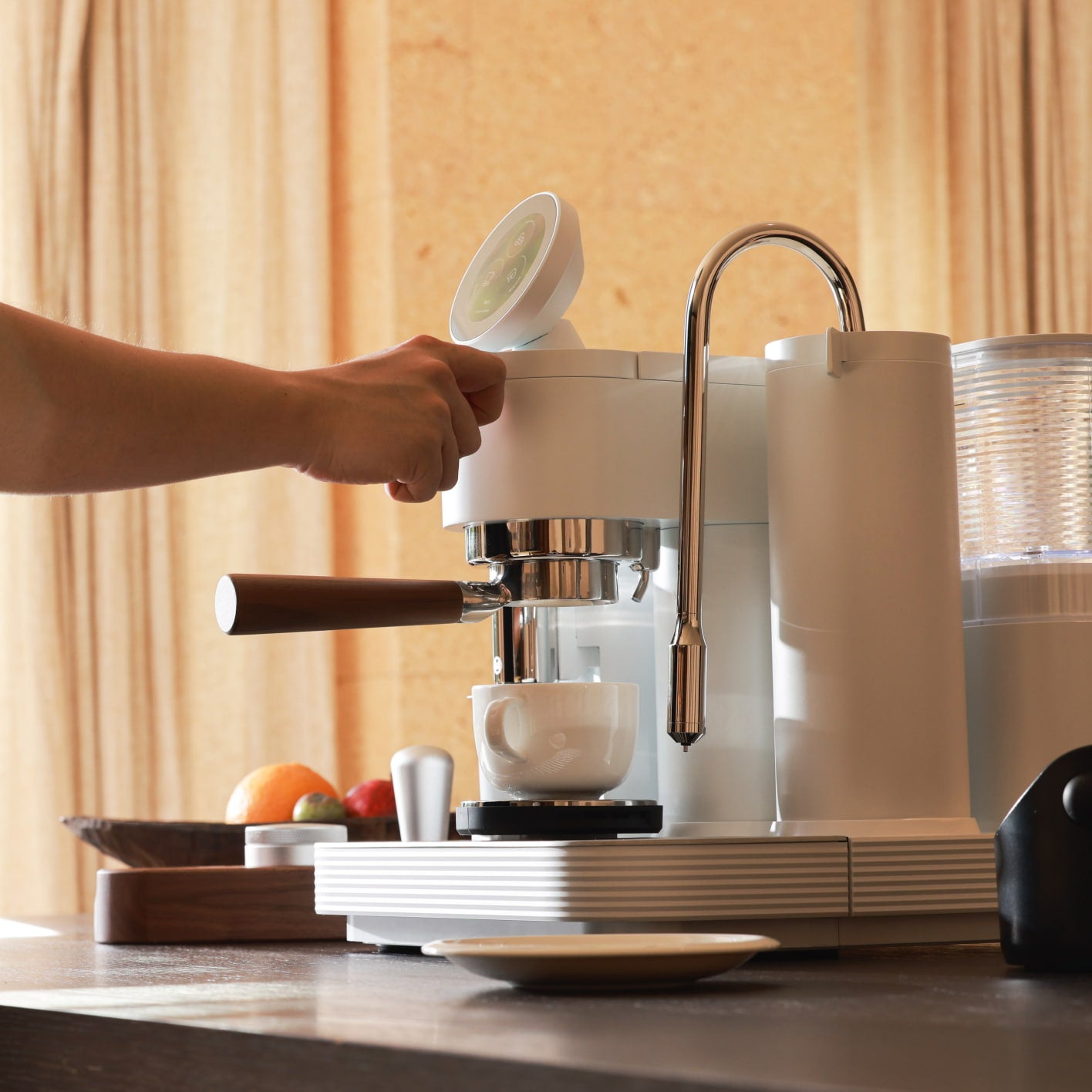
If you want a predictable weekday capsule cup, stay with Nespresso. If you want to grind fresh coffee, change beans, and steam milk on a portafilter machine, move to a fresh-coffee espresso setup and accept a short learning curve. Meraki is one option on that second path. Choose the ritual you will keep, then verify current details on the live product pages.
If a guided fresh-coffee workflow is what you want next, start with the Meraki espresso machine and the core tools in accessories.
FAQ
Is Nespresso the same as espresso?
Not in the way a portafilter machine makes espresso. Nespresso is a capsule system: a sealed, pre-ground dose is punctured and brewed automatically into a short, concentrated cup with crema. A traditional espresso machine uses fresh coffee you grind, dose, and tamp in a portafilter, then extracts under brew pressure you can adjust. Some people are happy to call the capsule cup espresso-style. If you care about changing beans, grind, and yield shot to shot, you want a fresh-coffee espresso machine, not a tighter definition argument.
Is Nespresso real espresso?
It is a real capsule brew that can be short, strong, and topped with foam. Whether it counts as espresso depends on the definition you use. Specialty coffee usually describes espresso as a pressurized extraction of freshly ground coffee in a locked portafilter, often discussed around a nine-bar brewing range at the puck. Capsule machines trade that control for consistency. If the question is whether the weekday cup can satisfy you, taste it honestly. If the question is whether you can dial in a new bag on a 58mm basket, the answer is no.
Who should stay with a Nespresso machine?
Stay with capsules if one-button speed, a predictable cup, and almost no cleanup matter more than choosing beans and adjusting a shot. Offices, guest kitchens, and households that drink coffee in short windows often keep a capsule machine for good reasons. Move only when you already want to taste different roasts, reduce capsule waste, or make milk drinks with a proper steam wand. A fresh-coffee espresso machine is a new ritual, not a quieter version of the same button.
If I switch, what accessories matter first?
Start with the tools that help you dose and tamp a puck you can actually see: a funnel to keep the grind in the basket, a flat tamper, and a scale if your machine does not already weigh dose or yield. A 58mm portafilter path also makes later baskets and tools easier to find. You do not need a full drawer of gadgets in week one. Confirm current accessory details on the live product pages, and treat the machine’s own workflow as the main investment, not a pile of extras.


