


You open the same bag of coffee twice: once for a slow bloom in a dripper, once for a short, dense shot. The cups do not taste like the same drink, and they should not. That is the real pour over vs espresso comparison: taste, time, and which ritual you will still keep on a Wednesday.
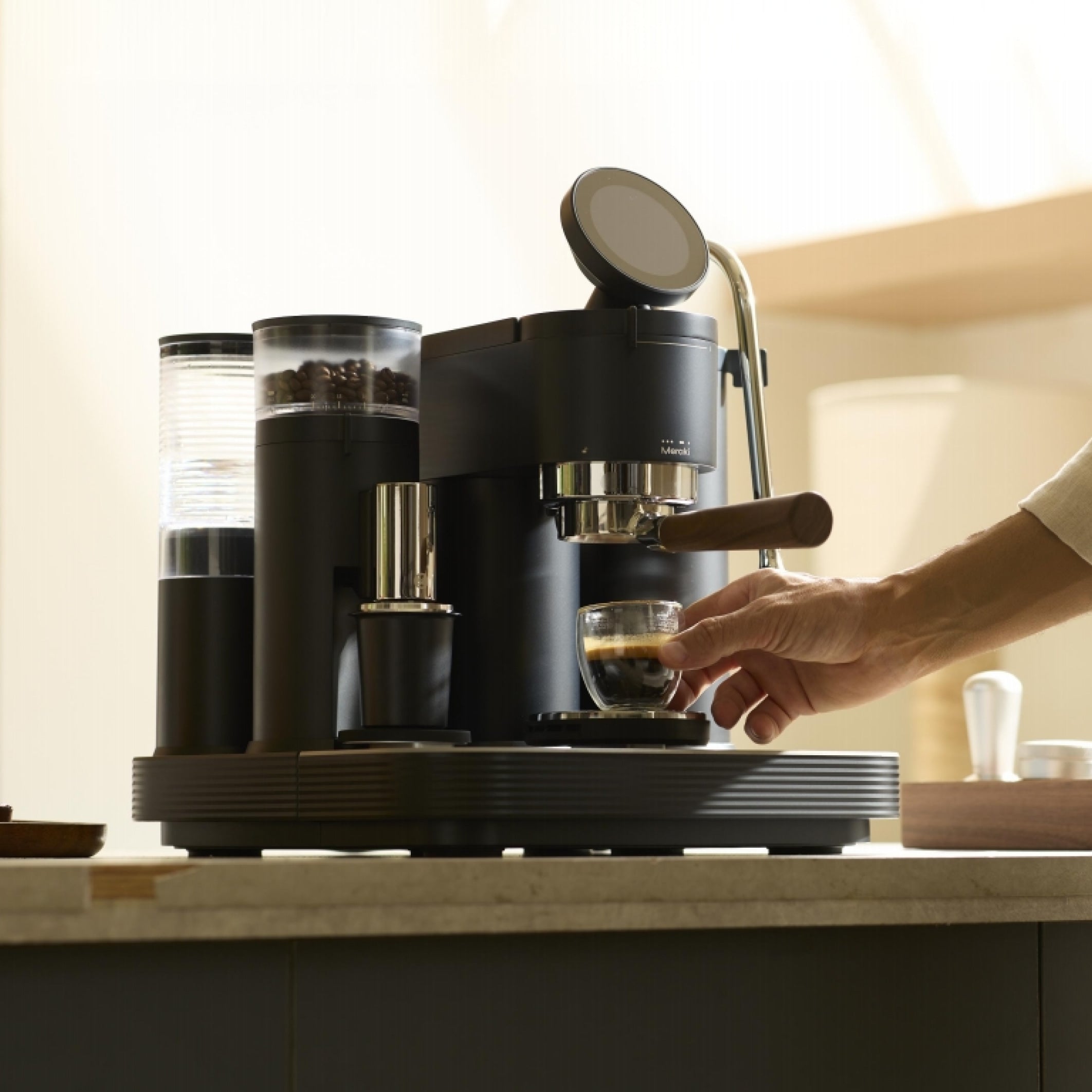
This is not a coffee-maker review, and it is not a buying page about kettles versus espresso machines. It is a side-by-side of two brew methods, so you can choose the cup and the morning you actually want. If you later want a machine, the Meraki espresso machine is one guided home option, not a requirement for enjoying pour-over.
What pour-over is built to highlight
Pour-over is built to show aroma and clarity in a larger cup.
Hot water meets a coarser bed of coffee and drains by gravity through a filter, usually paper. The brew is slower than a shot and more open than a thick espresso.
That is why people chase origin character in a V60, a Kalita, or a similar dripper. You can smell the cup as it fills, and you can taste acidity and sweetness without the density of a puck extraction. The ritual is the pour itself: a bloom, a steady stream, a wait. It rewards attention, but it fails more gently than espresso if you are slightly off. For a plain map of manual brew methods, the National Coffee Association’s brewing overview is a clear independent starting point. The method is not a stepping stone to espresso. It is a complete way to drink coffee.
What espresso concentrates and what it hides
Espresso concentrates body, sweetness, and texture into a short shot.
Pressure pushes water through a fine puck, so the drink is small and heavy. Some aromatics that float in a pour-over become denser, or recede, in that short cup.
That concentration is why espresso can taste like a different roast even when the beans are the same. Oils and dissolved solids are packed into a couple of ounces, and the shot is built to be drunk quickly or stretched with milk or hot water. What it can hide is the delicate, tea-like top note some filter drinkers love. What it can show is a thicker sweetness and a finish that sits on the tongue. Neither effect is a flaw. Specialty coffee education, including the Specialty Coffee Association education hub, treats espresso as its own brew method with its own variables, not as a failed pour-over. If you only want that open, aromatic mug, do not force the beans through a portafilter just because shots look more serious.
Brew ratio and serving size, side by side
The two methods start from different ratios, so the cups are not interchangeable math.
A typical home pour-over might use something near a 1:15 to 1:17 coffee-to-water ratio, yielding a full mug. A typical espresso recipe is much tighter, often in the neighborhood of 1:2 dose to yield, yielding a short shot. Those are starting points, not laws.
If you drink a 12-ounce pour-over, you are tasting a long, diluted brew. If you drink a double shot, you are tasting a concentrated extract. Comparing them as if they were the same volume is how people end up saying one method is “stronger” without saying what they mean. Strength in the mouth is concentration. Caffeine in the body is dose times serving size. A large pour-over can contain more total caffeine than a single shot even when the shot tastes more intense. For general, non-diagnostic caffeine context, see the FDA caffeine consumer update and the Harvard T.H. Chan caffeine overview. This is not advice for your personal limit.
| Starting point | Pour-over | Espresso |
|---|---|---|
| How it brews | Gravity through a coarser bed and a filter | Pressure through a fine, compacted puck |
| Typical ratio range | Around 1:15–1:17, adjusted to taste | Around 1:2 dose to yield, adjusted to taste |
| Serving | A mug you can sit with | A short shot, or a drink built on that shot |
| Taste emphasis | Aroma, clarity, a longer finish in a bigger cup | Body, density, sweetness in a small volume |
| Weekday attention | A few focused minutes of pouring and waiting | Heat-up, grind, a short extraction, then cleanup |
Time and attention on a weekday morning
Pour-over asks for a calm pour. Espresso asks for a prepared station.
Neither is automatically faster. A kettle still has to heat, and a dripper still has to drain. An espresso machine still has to be ready, and a puck still has to be prepped.
The difference is the kind of attention. Pour-over attention is a continuous, almost meditative stream: you are with the brew until it finishes. Espresso attention is a sequence of short tasks, then a brief shot, then a wipe-down. Some people find the pour easier to keep because it is one gesture. Some people find the shot easier to keep because, once the station exists, a weekday espresso is over quickly. Choose the attention you will still give when you are late, not the ritual that looks better on a weekend. More brew technique lives in espresso brewing guides if you already know the shot is your path.
Beans: roast level and freshness for each method
Fresh beans help both methods; the same roast will not always please both cups.
Light roasts often shine in pour-over, where aroma has room. Medium and darker roasts can be easier to keep balanced as espresso, though skilled recipes exist in every direction.
The honest test is to brew the bag both ways, if you can, before you decide the method failed. An espresso-labeled roast is a suggestion, not a law, and a pour-over bag can still make a good shot if you adjust grind and yield. Freshness, though, is not optional on either side. Stale coffee goes dull in a dripper and harsh or flat as a shot. The NCA roast guide is a plain-language map if you are choosing a bag, and you can browse current options in the Meraki coffee beans collection once you know which ritual you are shopping for. For a food-composition lookup, not a tasting claim, USDA FoodData Central lists coffee entries.
Milk drinks and iced drinks change the comparison
Once milk or ice enters the glass, espresso often becomes the more flexible base.
A latte, cappuccino, or flat white is built on a shot. A pour-over with steamed or cold milk can be delicious, but it is a different drink, usually larger and less concentrated. Iced pour-over and iced espresso are also not the same recipe: one is a long brew chilled or poured over ice, the other is a short shot built to survive dilution.
If your favorite cafe order is a milk drink, pour-over may still be your favorite black-coffee ritual, just not a substitute for that order. If you mainly drink black coffee and sometimes add a splash of milk, either method can work. For assembly ideas on the espresso side, browse Meraki coffee recipes. Do not let a summer iced-coffee habit automatically decide the debate; name the drink first, then pick the brew.
Gear you actually need for each path
Pour-over gear is a kettle, a dripper, filters, a scale, and a grinder that can do filter coffee well. Espresso gear is a machine, a portafilter path, and a grinder that can hold a fine, repeatable setting. Those are different counters, but this page is not asking you to shop for a kettle versus a machine. It is asking which ritual deserves that counter in the first place.
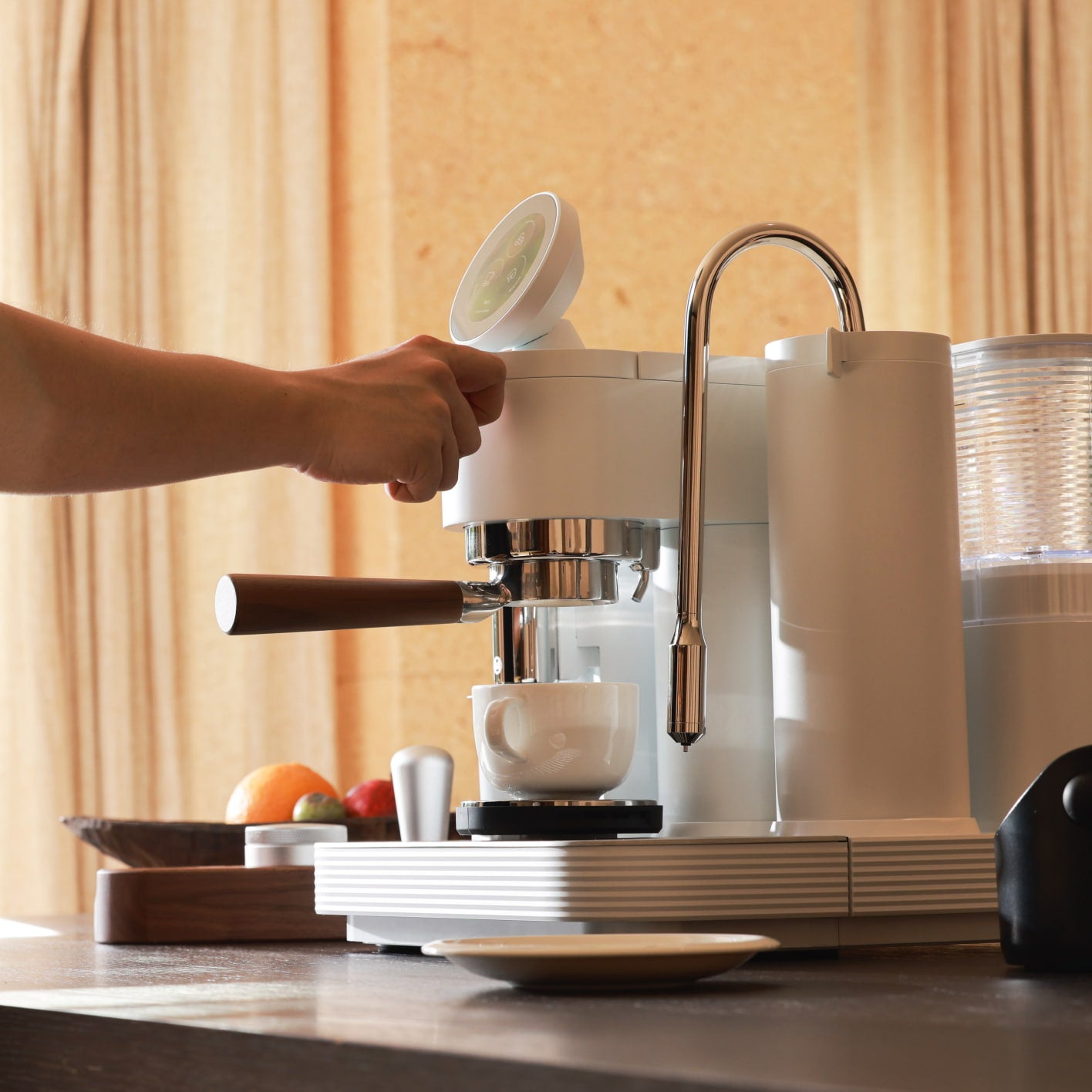
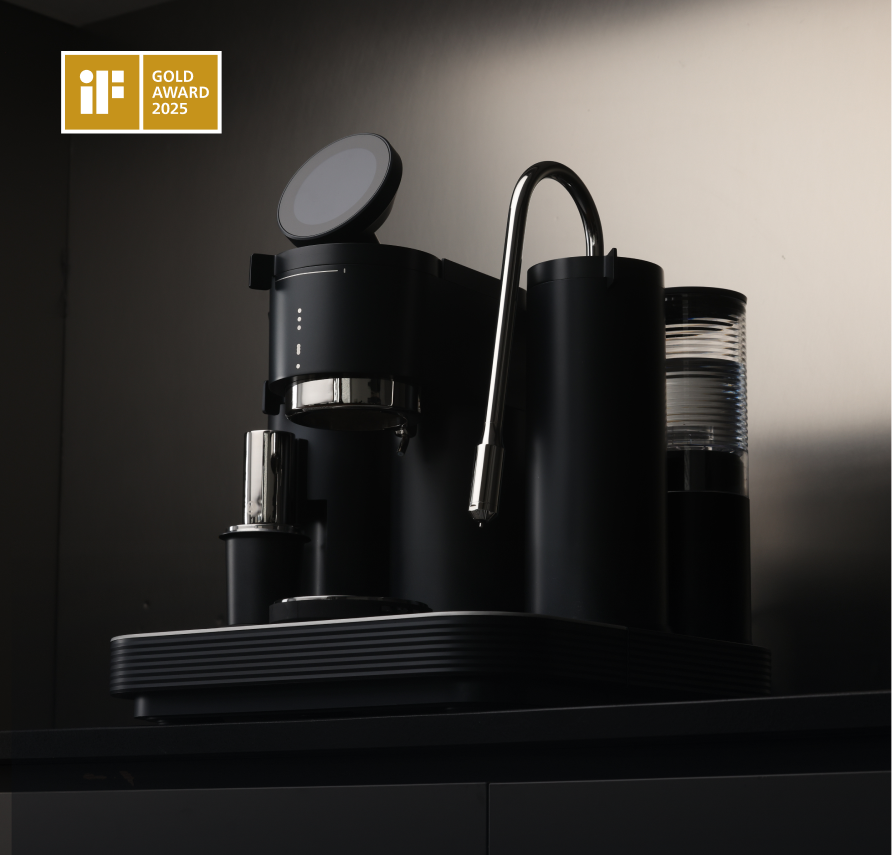
You can own both if you already know you want both cups. You should not buy a full espresso station only because someone told you it is the “next step” after pour-over. A good dripper setup is not an unfinished espresso bar. Likewise, a home espresso machine is not a worse pour-over. If you later want the espresso station in one footprint, Meraki is one all-in-one option with an integrated standalone grinder, which you can confirm on the live product page.
When pour-over is the better daily ritual
Choose pour-over if the cup you want is a clear, aromatic mug and the morning you want includes a few unhurried minutes of pouring. It is also the better ritual if you do not want a larger machine on the counter, if you mainly drink black coffee, or if you already feel at home with a dripper. There is no promotion waiting at the end of a shot that you are required to unlock. A practiced pour-over is a complete daily coffee life.
When espresso is the better daily ritual
Choose espresso if the cup you want is short and dense, or if milk drinks are the point of the morning. It is also the better ritual if you like a fast, repeatable sequence once the station is set up, and if you are willing to clean a portafilter and, if you steam, a wand. The ritual is different, not higher. Keep it only if you will still do the steps when the weekend mood is gone.
Conclusion
If you want a larger, clearer cup and a pouring ritual, keep pour-over. If you want a short, dense shot or a milk drink built on that shot, choose espresso. The same beans can do both, but the cups will not taste the same, and they should not. Pick the ritual you will keep, then buy the gear that serves that cup.
If the ritual you want to keep is home espresso, start with the Meraki espresso machine and more technique in espresso brewing.
FAQ
What are the key differences between pour-over and espresso?
Pour-over is a gravity brew: hot water passes through a coarser bed of coffee in a few minutes and fills a larger cup. Espresso is a pressure brew: a smaller dose of finely ground coffee is extracted as a short, dense shot, usually in about half a minute of flow once the machine is ready. The pour-over is typically clearer and more aromatic. The espresso is heavier in body and built to be drunk small or used as a base for milk drinks. They are different rituals, not a better and worse version of the same cup.
Is pour-over coffee better than espresso?
Not as a rule. Pour-over is often better if you want a cleaner, more open cup and a slower morning ritual. Espresso is often better if you want intensity in a small volume, or a base for lattes and cappuccinos. The same beans can taste floral in a dripper and dense as a shot, so “better” depends on the drink you want, not on a universal ranking. If you dislike one method, it may be the roast, the grind, or the recipe, not the category itself.
Is pour over stronger than espresso?
Usually no, if you mean concentration. Espresso is a much shorter, denser drink, so a sip tastes stronger. A full mug of pour-over can still contain more total caffeine than a single shot simply because you are drinking more liquid. Strength in the mouth and caffeine in the cup are not the same measurement. Compare recipes and serving sizes, and treat any milligram chart as a range rather than a personal medical limit.
Can I use the same beans for pour-over and espresso?
Yes, but you may not love the same bag in both roles. A light, fruity roast can shine in a pour-over and taste sharp or thin as a shot if the recipe is not adjusted. A darker espresso-labeled roast can taste heavy or roast-forward in a dripper. Start with the same fresh beans, change grind and ratio for each method, and keep the bag only if both cups please you. Freshness matters on both sides, and stale beans will not be saved by better pouring or a better pump.


