


You press a K-Cup labeled espresso, the machine hums, and a full mug fills the way yesterday’s breakfast blend did. That is the confusion behind Keurig vs espresso machine: the lid borrowed a word, but the brew method did not change.
A Keurig is designed to make a consistent cup of pod coffee quickly. An espresso machine is designed to extract a short, pressurized shot and, on most home models, to steam milk. They can share a kitchen. They cannot stand in for each other. Meraki publishes this guide and sells a fresh-coffee all-in-one; it is one espresso path, not a claim that every K-Cup habit should disappear.
What a Keurig is designed to brew
A Keurig is a single-serve pod coffee maker.
You place a sealed K-Cup, close the handle, and the machine pierces the pod, sends hot water through the grounds, and fills a mug. The result is closer to a fast drip coffee than to a cafe shot.
That design is why the machine is easy to live with. There is no grinder to set, no tamp to learn, and almost no dirty pitcher if you drink the coffee black or with a splash of milk from the fridge. Variety lives in the pod drawer: different roasts, flavored coffees, and sometimes tea or cocoa, depending on the model and the capsules you buy. The trade is a closed dose. Someone else already chose the grind and the amount of coffee, and the brew pressure is not in the espresso range. If your household wants a reliable mug before school, the Keurig is doing the job it was built for. For a plain overview of everyday brew methods, the National Coffee Association’s brewing page is a useful independent reference.
Why a K-Cup cannot stand in for an espresso shot
The missing piece is brew pressure through a fine puck.
Espresso starts with finely ground coffee, compacted in a portafilter, then extracted as a short, dense shot. A K-Cup brew is a small, low-pressure pass of water through a factory-filled pod, usually into a much larger cup.
Those mechanics are not a snob test. They change texture, concentration, and what you can build next. A shot has a heavier body and a smaller volume, which is why it can carry steamed milk without tasting like a thin coffee-milk mix. Specialty coffee education, including resources from the Specialty Coffee Association, treats espresso as its own brew method with its own variables. A Keurig does not give you those variables to manage, which is also why it is easier. If you want the shot, you need a machine that can lock in a puck and generate brewing pressure, plus a grinder that can work in the espresso range. No pod recipe can invent that path after the fact.
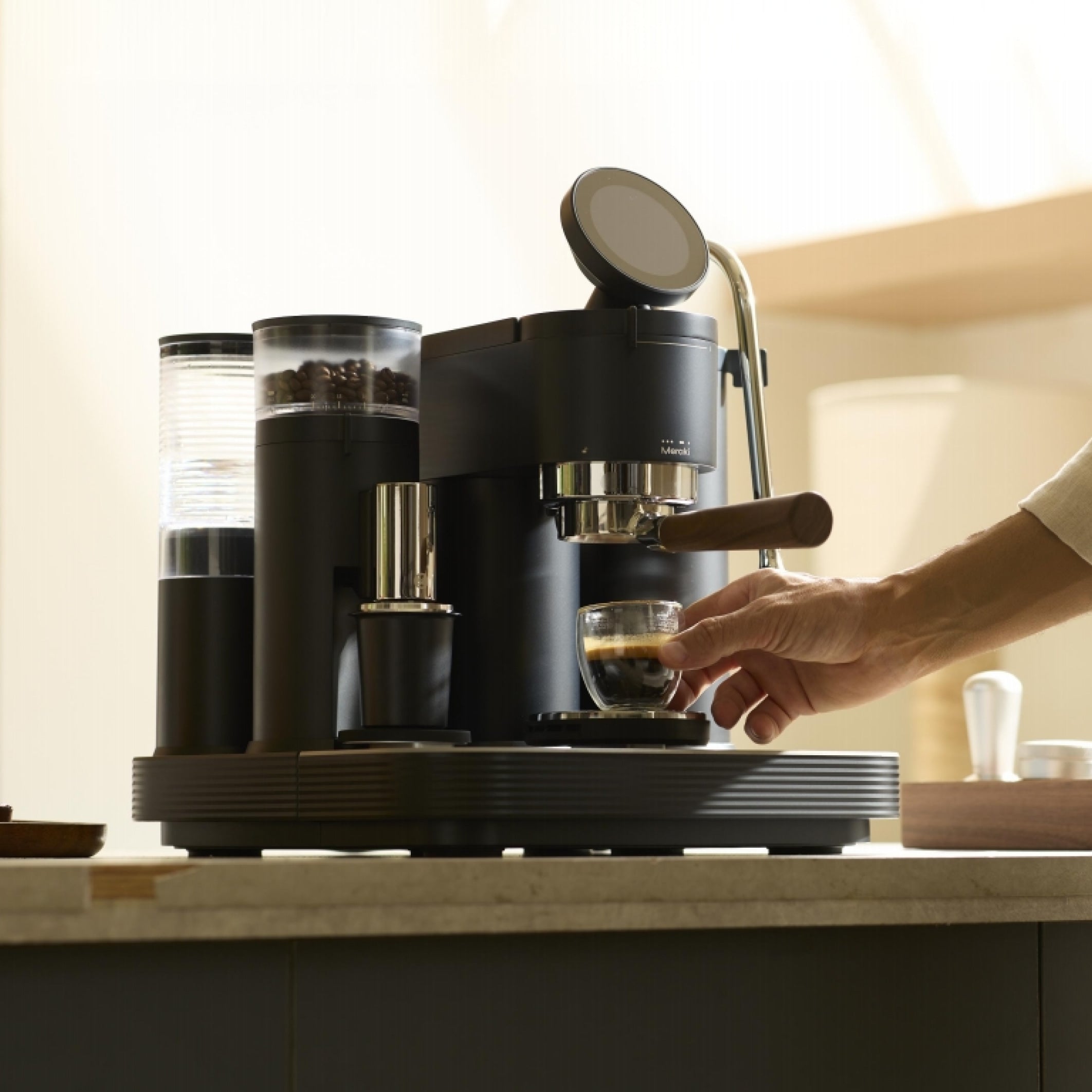
Drink menu: coffee, lattes, and what each machine can honestly serve
Match the menu to the tool, and the argument gets quieter. A Keurig honestly serves a mug of coffee, and, on some models, other pod drinks. It does not honestly serve espresso, a traditional latte, a cappuccino, or a flat white, even if a later accessory froths milk in a cup. An espresso machine honestly serves shots, Americanos from those shots, and steamed-milk drinks if it has a capable wand.
Some Keurig-family machines add a frother. That can make a milky hot drink, but the coffee base is still pod brew, not a shot. If you love that drink, keep it. If you are chasing cafe texture, the base and the steam both have to change. For roast-level language when you later buy beans instead of pods, see the NCA roast guide.
| Menu item | Keurig | Espresso machine |
|---|---|---|
| Everyday mug of coffee | Yes, that is the core job | Possible as an Americano, but it is not the machine’s main reason to exist |
| Short espresso shot | No, even with an “espresso” pod | Yes, that is the core job |
| Latte or cappuccino | Only as a pod drink plus a frother, not a shot-and-steam recipe | Yes, if the machine has a steam wand you will actually use |
| Many flavored pod options | Yes, if you stock them | You change flavor by changing beans and recipes, not by swapping lids |
Speed, noise, and weekday convenience
The Keurig usually wins the weekday clock.
From pod to mug, the path is short, and almost anyone in the house can run it. An espresso routine is longer once you count grinding, extraction, milk, and cleanup, even when the heating system is quick.
Noise follows the same split. A pod machine is a short burst. An espresso machine adds a grinder and, if you texture milk, a wand. If several people need a drink in the same ten minutes, a Keurig can be the calmer appliance. If one person wants a latte and is willing to do the steps, the espresso machine is not “slow” so much as more involved. Count the morning you actually have, not a showroom demonstration. Energy use also depends more on idle habits than on the logo: leaving a machine hot all day wastes more than the brew itself. For official context on appliance energy habits, see ENERGY STAR.
Ongoing cost: pods versus beans and milk
Pods usually cost more per cup; beans usually ask more of you.
This page will not invent a price per K-Cup or per shot, because shelf prices and promotions change. Compare the pods you actually finish in a month with the beans and milk you would buy, using current numbers.
If the household drinks several pods a day, the packaged dose adds up. Fresh beans bought by the bag, plus milk if you steam, often land lower per drink over a year, once you are not wasting shots every morning. The espresso machine may cost more at the start, and it may include an integrated standalone grinder or require a separate one. Run your own math, then confirm live prices and terms on the product page. Browse beans in the Meraki coffee beans collection only after you have decided you want that workflow. For a food-composition reference rather than a marketing claim, USDA FoodData Central lists coffee and milk entries.
Cleanup and descaling habits compared
Pod machines are easier between cups and still need care.
You toss or compost the used K-Cup, wipe the drip area, and descale on the maker’s schedule so the needle and tank stay clear. An espresso machine asks for a puck knock-out, a rinse, a wand wipe if you steamed, and regular water care.
Neither machine is maintenance-free. Hard water will scale both. The difference is daily mess: a portafilter and steam wand need a short, consistent cleanup, or the next drink suffers. If that habit already sounds like a reason you would skip the machine, believe yourself. If you are willing to wipe the wand, the extra work is part of the drink you came for. Follow the official care steps for whatever you buy, and use Meraki support for current care and service information on Meraki equipment.
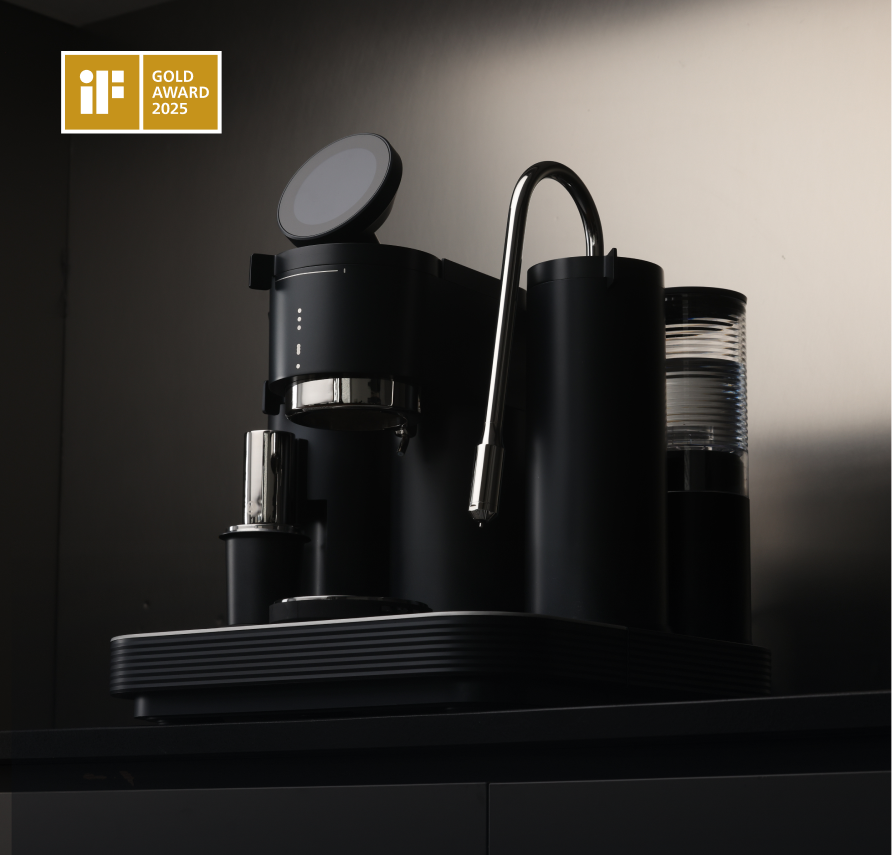
‘Espresso’ K-Cups and other labeling traps
Read the brew method, not the adjective on the lid.
A darker roast, a tighter pack, or the word espresso on a K-Cup does not convert a pod brewer into a pump espresso machine. The cup can taste stronger and still be drip-style coffee.
The same trap appears in “espresso shots” advertised for pod machines and in accessories that sit under a spout and promise crema. If the tool cannot compact a fine puck and extract it under espresso brew pressure, it is not making espresso. You are allowed to like the stronger pod anyway. Just do not let the label talk you out of the machine you actually need, or into a machine you will not use. When you want the real category, shop for an espresso machine and a capable grind path, then confirm details on the live product page. Owner notes live on Meraki reviews.
A two-machine kitchen versus a single upgrade
Keeping both is often more honest than forcing one tool to do two jobs.
A Keurig can stay for guests, for a housemate who wants a flavored mug, or for the mornings you have ninety seconds. An espresso machine can take the lattes and the shots. You only need to retire a pod machine when nobody reaches for it.
A single upgrade makes sense when the whole household is ready to leave pods, or when counter space cannot hold both. It is a poor idea when you hope an espresso machine will also be a silent, one-button coffee maker for every visitor. Meraki does not replace every pod use case, and no serious comparison should pretend otherwise. If you want a wider category view of espresso versus drip machines, that is a different page than this K-Cup-specific argument. For tools around a portafilter workflow, see espresso accessories.
A path from pods to fresh-shot espresso
If you do move, change one habit at a time. Keep the Keurig while you learn to pull a drinkable shot, then let the pod machine fade if the new ritual sticks. Start with one bag of beans, a simple dose target, and grind as the main adjustment. A machine with an integrated standalone grinder can keep the station in one footprint; a separate grinder is also a valid path if you already own a good one. Confirm what is in the box on the current Meraki espresso machine page before you buy extra tools. Give yourself a week of ordinary mornings, not a single perfect Saturday, before you decide the experiment failed.
Conclusion
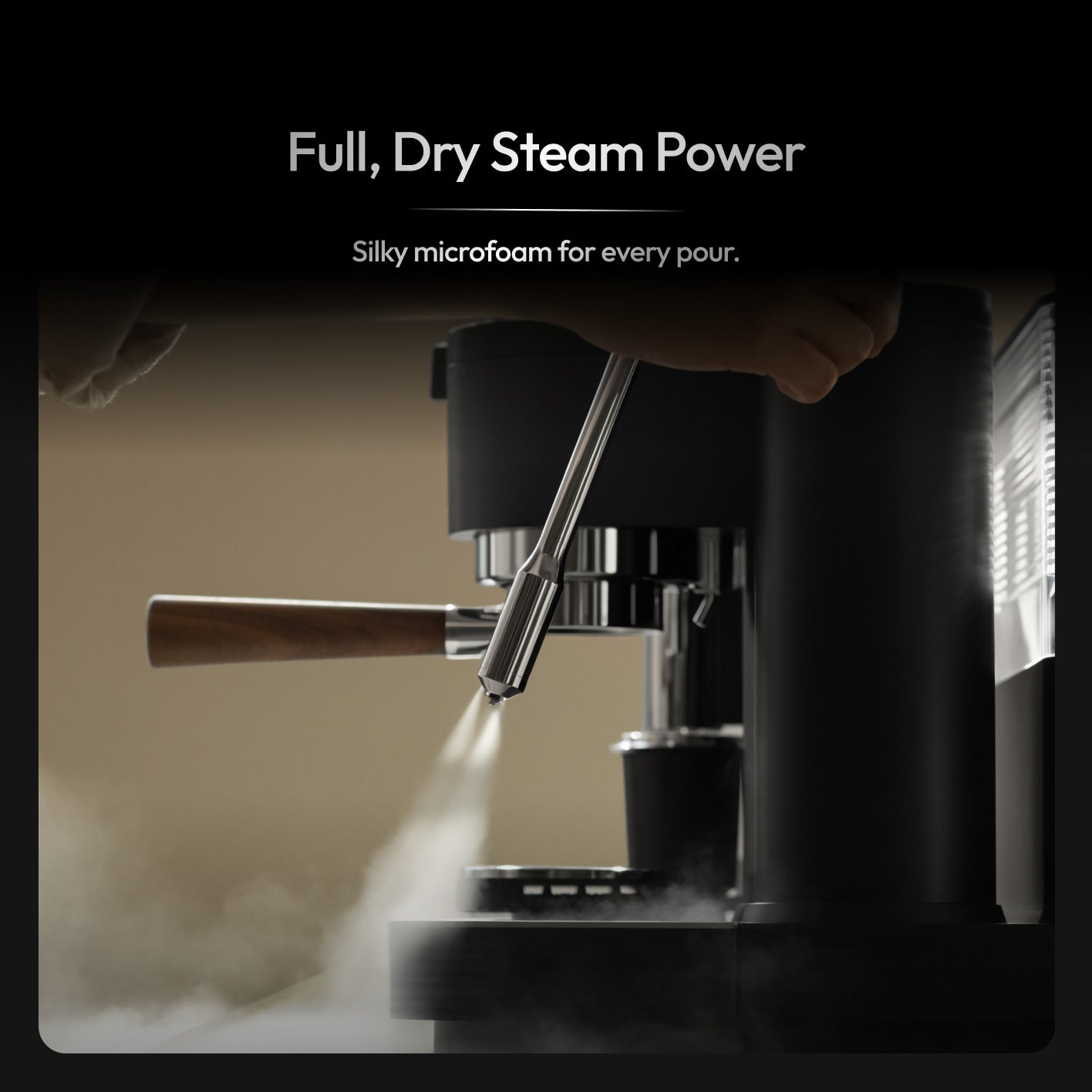
If you want a fast, consistent mug of pod coffee, keep the Keurig. If you want espresso shots and steamed-milk drinks, buy an espresso machine and accept a short daily routine. Do not let an “espresso” K-Cup blur those jobs, and do not assume one new machine must evict every pod. Choose the drinks you will actually make, then verify current details on the live product pages.
If a fresh-shot workflow is the next step, start with the Meraki espresso machine and current notes on Meraki reviews.
FAQ
Can a Keurig do an espresso shot?
No. A Keurig is a single-serve drip-style pod brewer. It pierces a K-Cup and pushes hot water through pre-ground coffee at low pressure, then fills a mug. An espresso shot is a short, concentrated extraction made by forcing water through a finely ground, tamped puck under much higher brew pressure. The two drinks can both be caffeinated and both can be brown, but they are not the same job. If you want a shot and steamed-milk drinks, you need an espresso machine, not a different K-Cup.
Can a Keurig make espresso if I use an espresso K-Cup?
No. An “espresso” K-Cup is usually a darker or more intense pod recipe, not a pressure-extracted shot. The machine still brews like a small drip system: it fills a cup, and it does not create the puck and brew pressure that define espresso. You may like the stronger pod taste, and that is a flavor choice, not a method change. Crema, shot volume, and a steam wand are still outside what a standard Keurig is designed to do. Read the method, not the word on the lid.
Is an espresso machine always better than a Keurig?
No. An espresso machine is better at espresso and at milk drinks built on a shot. A Keurig is often better at a fast, consistent mug of coffee with almost no technique, especially in a shared kitchen. If your household drinks American-style coffee in several flavors and wants a button, the Keurig is still doing its job. The upgrade is worth it only when you actually want shots, texture, and control, not because espresso sounds more serious. Different jobs can share a counter.
Should I get rid of my Keurig if I buy an espresso machine?
Not automatically. Many kitchens keep the pod machine for guests, tea, or a second drinker who does not want to tamp a portafilter, and use the espresso machine for lattes and shots. Retire the Keurig only if everyone has moved to the new ritual and the extra appliance is just clutter. Meraki publishes this guide and does not claim that one espresso machine replaces every pod use case. Decide from the drinks you still pour, then confirm live product details before you change the station.


