


Q: Why is my espresso martini flat? A: The shot sat too long, the shake was polite, or the glass was warm. Foam is not a garnish sticker—it is fresh espresso oils meeting violent aeration.
Key numbers for a classic home glass: about 2 oz vodka, 1 oz coffee liqueur, and 1 oz (roughly a double’s liquid) fresh espresso, shaken 15–20 seconds with ice. This page rewrites the foam promise around those ratios for people searching expresso martini and espresso martini alike. Meraki already hosts espresso martini recipes that foam well; here we lead with foam science and a ratio table.
Direct answer: espresso (expresso) martini that foams
Fresh hot espresso, hard shake, cold glass.
Spell it espresso even if you typed expresso—same cocktail. Foam comes from espresso oils plus air, not from cream.
Skip egg white unless you are chasing a separate style. Coffee basics: NCA, Coffee & Health.
Ingredients and espresso dose
You need vodka, coffee liqueur, espresso, ice, and a shaker. Espresso dose: aim for a short double that lands near 30–40 g liquid so the cocktail stays coffee-forward without flooding the glass. Fresh beans beat pre-ground for crema and aroma—shop the beans collection. Caffeine context for later sips: Harvard caffeine and NCA caffeine.
Why foam forms (fresh hot espresso)
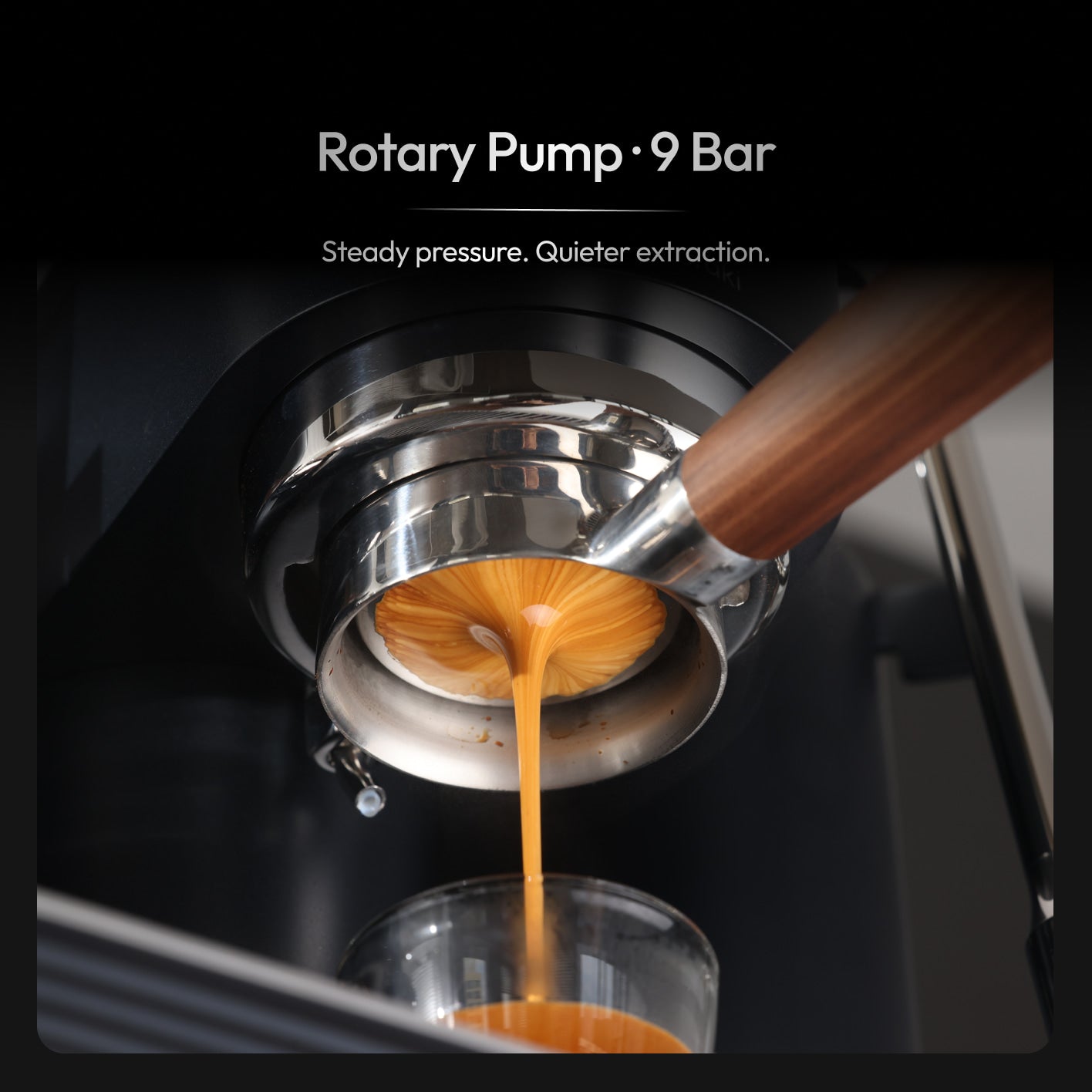
Hot espresso still carries emulsified oils and dissolved gases. When you slam that liquid into ice inside a sealed shaker, you whip microbubbles into a tan head. Cool, stale espresso has already lost much of that structure—so foam collapses. Soufflé-style viral riffs add extra aeration tricks; classic foam only needs freshness and aggression. Sensory language: Coffee Review.
Step-by-step recipe
Chill a coupe or martini glass. Pull espresso. Add vodka, coffee liqueur, and hot espresso to a shaker with ice. Shake hard 15–20 seconds until the tin frosts. Strain into the cold glass. Optional: three coffee beans on top. Wipe tools; do not leave sweet liqueur in a portafilter basket.
Ratio table (classic vs dry shake vs soufflé bridge)
Use ratios as starting math, then taste sweetness.
| Style | Vodka | Coffee liqueur | Espresso | Foam note |
|---|---|---|---|---|
| Classic home | 2 oz (60 ml) | 1 oz (30 ml) | ~1 oz / double liquid | Hard shake with ice |
| Less sweet | 2 oz | 0.5–0.75 oz | ~1 oz | Same shake; drier finish |
| Dry-shake bridge | Same | Same | Same | Shake without ice first, then with ice |
| Soufflé / viral | Varies | Varies | Often hotter / extra air | Spectacle foam; not required for classic |
Measure once with a jigger so “bartender freehand” does not become dessert syrup. Technique literacy: SCA, SCA education.
Texture, temperature, and serving tips
Serve immediately—foam settles. A warm glass kills the head. Over-dilution from lazy melting ice tastes thin; hard short shakes beat gentle long ones. If you want dairy sweetness instead of liqueur, you are building a different drink. Lifestyle coffee context: Harvard on coffee.
Troubleshooting flat foam
Shot too old, shake too soft, glass warm, or espresso replaced with cold brew. Fix freshness and mechanics before buying foam gadgets. Decaf works if you pull it fresh; expect slightly different crema behavior.
If foam appears then collapses in seconds, you may have over-diluted with melted ice or under-dosed coffee relative to vodka and liqueur. Rebalance toward more espresso liquid or a harder, shorter shake. Sticky sweetness without coffee snap usually means the liqueur is carrying the drink—cut it by a quarter ounce and taste again. Garnish beans are optional theater; they do not create foam.
Batching for a party: pull shots to order in small waves rather than brewing a pitcher of espresso an hour early. Keep glasses in the freezer. Pre-measure vodka and liqueur in a bottle so the only hot variable is espresso. That workflow matches how a dual-boiler machine behaves when guests stack orders. Clean the shaker between rounds so old foam does not scent the next cocktail.
Spelling note for labels and menus: print espresso even when analytics show expresso searches. Guests still find you; your card still looks competent. Keep cocktail tools away from the portafilter so sugar never seasons tomorrow’s morning shot accidentally.
Flavor variations without killing foam
Vanilla vodka, demerara syrup, or a salted rim can work, but change one variable per round so you know what moved the foam. Alcohol-free builds still need fresh espresso for a real head. Off-tasting water shows up louder in cocktails than in milk drinks, so keep the shot clean. Keep sweet cream separate if you want a dessert riff—cream changes texture rules.
Fast checks while you shake: the drink spelling is espresso even when search says expresso; cold brew foams less; pull hot then chill in the shaker; taste liqueur sweetness before pouring heavy; use a cold coupe. Those checks mirror the FAQ without copying it.
Meraki workflow (pull then shake)
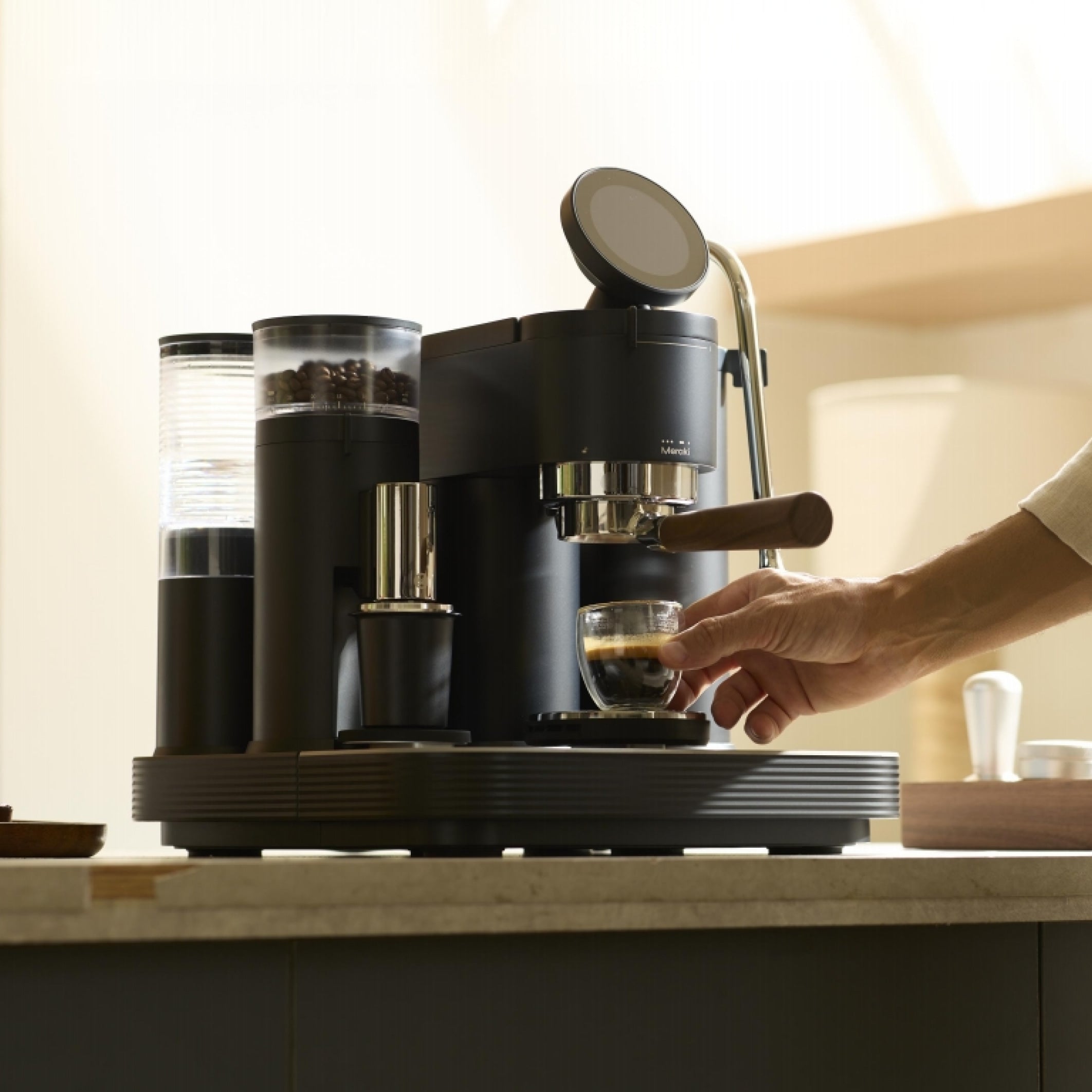
All-in-one path: grind, weigh, pull, shake while the machine stays hot. Dual boilers mean you are not waiting on a single boiler between coffee and the next guest’s milk drink. View the Meraki espresso machine, keep accessories tidy via the accessories collection, and compare the companion post at espresso martini recipes that foam well.
Glassware, dilution, and guest pacing
A cold coupe keeps foam taller than a room-temperature rocks glass. If you only own tumblers, chill them anyway and accept a slightly different head. Measure once with a jigger during practice nights so free-pouring later stays close. Dilution is not the enemy—uncontrolled melt is. Hard short shakes beat lazy long rattles.
For mixed company, offer a half-size pour or a fresh decaf shot rather than watering a caffeinated classic into confusion. Keep coffee liqueur capped so it does not oxidize into sticky mystery. Wipe the counter between rounds; sugar plus espresso finds every cable.
If foam is your H1 promise, refuse recipes that replace espresso with cold coffee syrup alone. You can make a tasty vodka drink that way, but it is not the foam lesson this page teaches. Pull, shake, serve—then decide on soufflé theatrics only after the classic works.
Conclusion
Foam follows fresh espresso and a hard shake—ratios keep sweetness in check. Spell it espresso, shake like you mean it, and serve cold.
Pull the shot on the Meraki espresso machine, then browse more cocktail-friendly recipes in coffee recipes.
FAQ
How do I get foam on an espresso martini?
Use freshly pulled hot espresso, chill the glass, and shake hard with ice for 15–20 seconds. Coffee oils plus vigorous aeration create the foam; stale or fully cooled espresso foams poorly.
Expresso vs espresso spelling?
The correct drink spelling is espresso. “Expresso” is a common misspelling—including in searches for espresso martini. Order and label bottles with espresso; search either way.
Can I use cold brew instead of espresso?
You can, but foam and intensity drop. Cold brew lacks the hot-emulsion oils that help a thick head. If you substitute, expect a flatter cocktail and adjust sweetness.
What coffee liqueur works?
Classic builds use a coffee liqueur such as Kahlúa or similar. Taste sweetness first—some liqueurs are syrupy. Keep vodka as the dry backbone unless you prefer a dessert-forward glass.
Should the espresso be hot or cooled?
Pull it hot, then shake immediately with ice. Fully cooling the shot in the fridge first usually weakens foam. The shake both chills and aerates.


