


The coffee station is back on the counter, but the machine has not made a drink in months. Before chasing your old espresso recipe, establish what happened during that gap. Checking an espresso machine after storage is a staged return to use, not simply switching it on and discarding the first shot.
This framework helps you identify what must be resolved before brewing. It does not supply a universal priming, boiler-draining, disinfecting, or flushing procedure. The exact machine's instructions and manufacturer guidance control those operations, especially when preparation or storage conditions are unknown.
Start with the espresso machine after storage history
Write down the last known use, where the machine stayed, and what preparation was performed. Separate an appliance left unused in a normal kitchen from one kept in a damp room or moved between locations. Those histories raise different questions even if the calendar gap is identical.
Create a restart record with three columns: known history, unresolved question, and instruction or support response that resolves it. For example, "cartridge installed before storage" is a fact; "permitted return-to-use method unknown" remains an open question. Add removed parts and previous faults from the departure note. An empty reservoir does not establish the internal water state.
Keep unknowns explicit rather than filling them with guesses. For example, write "filter storage method unknown," not "filter probably fine." Find the model's extended-non-use and return-to-use instructions before applying power. If the documented procedure does not cover the history you have, ask the manufacturer what assessment is needed. This article focuses on restarting stationary equipment, not evaluating shipping damage or performing an internal repair.
Resolve external damage and dampness before connecting power
Inspect the accessible exterior, cord, plug, and intended work area while the machine remains disconnected. Do not remove a casing or reach inside to make the inspection more complete. Visible damage or evidence of water exposure calls for assessment, not a quick powered test to see whether the display works.
Health Canada's electrical-product guidance advises checking cords for damage and keeping electrical products dry. These are general precautions, not a certification claim about this machine or permission to replace an integrated cord yourself.
The EPA's building-moisture guidance also calls for investigating musty areas and moisture sources. Apply that to the storage location and surrounding station; it does not provide an espresso-machine sanitizing method. If the appliance was wet, smells musty, or has unexplained residue, describe the concern to support before using it. Wiping the visible surface cannot establish that inaccessible components are unaffected.

Prepare user-removable parts without improvising treatment
Locate the care instructions for accessible reservoirs, trays, baskets, and other user-removable items fitted to your model. Check each item's condition and follow its prescribed cleaning, rinsing, drying, and reassembly steps. Being removable does not automatically make an item dishwasher-safe or suitable for a prolonged chemical soak.
NSF's kitchen-cleaning guidance emphasizes following manufacturer directions. Its examples concern other kitchen tools and appliances; their cleaning mixtures and disassembly procedures should not be transferred to an espresso machine.
The espresso-machine cleaning guide provides broader care context, while the applicable equipment instructions determine the actual work. Keep uncertain items out of use until their condition is resolved. Do not treat visible cleanliness as proof that the internal water circuit is ready. Likewise, a storage gap alone does not establish that descaling is necessary: use the specified maintenance criteria rather than adding a treatment because the machine has been idle.
Make a separate decision about the installed filter
Identify the cartridge rather than treating "water filter" as one interchangeable component. Find its installation date, service interval, storage requirements, and instructions for returning it to use. If it remained installed, record that fact; if it was removed, establish how it was kept.
NSF explains filter service cycles can be based on time or treated volume and vary by product. It also warns that replacement cartridges are not necessarily universal. A similar shape or normal-looking flow does not establish the right replacement or remaining service life.
Ask the cartridge maker or machine support when its non-use instructions do not cover your situation. Do not assume inactivity pauses a calendar interval, or that rinsing restores an expired cartridge. Equally, do not invent a universal replacement requirement for every period of storage. The decision should follow the actual product's guidance. Complete any specified cartridge preparation and installation sequence as directed, without borrowing a soaking method from a different type of filter.
Confirm the water source and the documented startup sequence
Before filling or reconnecting the machine, confirm the current drinking-water situation at the location. This matters if you are returning after an absence, building work, or a utility notice. Then check the equipment's water requirements and the prescribed return-to-use sequence; these are separate checks.
The CDC's drinking-water advisory overview distinguishes boil-water, do-not-drink, and do-not-use notices. Follow the applicable local instructions. Do not assume espresso brewing fulfills an advisory's requirements: boiling does not make water containing harmful chemicals or toxins safe.
For the equipment itself, use the exact documented filling, priming, and flushing directions, if required. This article cannot assign a safe flush volume or pump-running time to every design. Do not keep operating a pump to force an uncertain startup, or use coffee taste to assess questionable water. When guidance is missing, resolve it before proceeding. Suitable source water does not, by itself, establish that a stored appliance has been correctly recommissioned.
Should you brew as soon as the screen says ready?
No; finish the documented restart checks first.
A ready indication belongs to the machine's operating sequence; it does not replace unresolved storage, cleaning, cartridge, or water-source requirements that must be addressed before making a drink.
Once pre-start requirements are satisfied, follow the permitted startup sequence and remain present to observe it. Compare any messages and behavior with the manual rather than diagnosing a fault from a sound alone. If an error, leak, or unexpected behavior appears, stop according to the equipment's safety instructions and seek guidance before another attempt.
Do not repeatedly clear a warning, change unrelated settings, or start a cleaning cycle as an experiment. Preserve the displayed message and record when the problem occurred. For model-specific questions, contact Meraki support with the storage history and steps already completed. A useful report distinguishes an observed symptom from a guessed cause, helping the conversation focus on the next authorized check rather than a speculative repair.
Rebuild your coffee baseline only after the restart is resolved
When the prescribed return-to-use process is complete and no concern remains unresolved, begin a new recipe record. Treat your previous settings as a reference, not proof that the same coffee will behave identically today. Establish which beans and accessories you are now using before interpreting an unfamiliar shot.
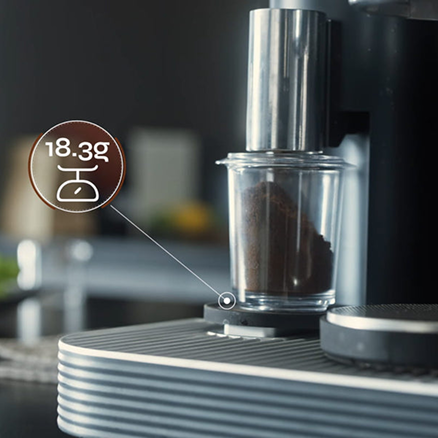
Keep the restart record separate from extraction adjustments. Write down the guidance followed, any cartridge decision, and the date you returned the equipment to use. Then record dose, yield, and the settings you actually used for the drink. A taste adjustment should not disguise an outstanding equipment warning or an unexplained water concern.
If brewing does not proceed normally, return to support rather than compensating indefinitely with recipe changes. There is no need to force a successful cup on the first morning back. The useful endpoint is a documented return to ordinary use, with open questions closed, not a particular shot count. Save the record where you can retrieve it next time so a future storage gap starts with evidence instead of memory.
Planning a return to your coffee routine? Explore the Meraki espresso machine and resolve model-specific restart questions with support before operating stored equipment.
FAQ
How long can a machine sit unused before it needs special attention?
There is no universal day count that establishes the required restart procedure for every espresso machine. Check the extended-non-use instructions for your exact model and any installed water-treatment product. Duration is only part of the history: preparation, moisture exposure, storage conditions, and previous faults also matter. If the documentation does not cover your situation, describe those details to the manufacturer before powering up. Do not turn another owner's interval into a maintenance rule for your own equipment.
Can I use vinegar to freshen the internal system after storage?
Use only a cleaning or descaling agent and procedure permitted for your exact equipment. A recommendation for a refrigerator, kettle, or different espresso machine does not establish compatibility with your machine's internal components. Long non-use is not automatic authorization for a chemical treatment. If you suspect contamination or do not know what a previous owner used, explain that history to support before proceeding. Do not mix cleaners or change their concentration in an attempt to make an uncertain restart more thorough.
What if I do not have the original storage record?
Start a new record that separates known facts from unanswered questions. Identify the machine and cartridge, note the approximate period of non-use, and photograph relevant external concerns without opening the casing. Ask the previous owner or caretaker what preparation and treatments were performed, if that person is available. Share unresolved details with support and request the applicable restart guidance. An incomplete history does not prove damage, but it is a reason to avoid assuming that ordinary startup covers every requirement.


