


You typed “dual boiler coffee maker” — or a listing used that phrase — and the next tab says espresso machine. Same “dual boiler” badge. Different morning. One path is pressurized espresso (and often milk drinks); the other is the drip / filter habit many households still call a coffee maker.
This Meraki explainer owns dual boiler coffee maker naming confusion as SERP intent cleanup: how search and listing language mix drip buyers with espresso buyers, and how to read a product page before you buy the wrong category. Soft-link what is a dual boiler espresso machine for the architecture definition; home dual boiler complete guide for full dual literacy; what dual boilers do and which to choose for category framing; espresso machine vs coffee maker for the kitchen drip-vs-espresso lifestyle pick; and coffee machine with grinder vs espresso machine with grinder when the grinder naming trap is the issue. Soft-name an integrated vs separate grinder ownership card when counter footprint — not SERP labels — is the next blocker.
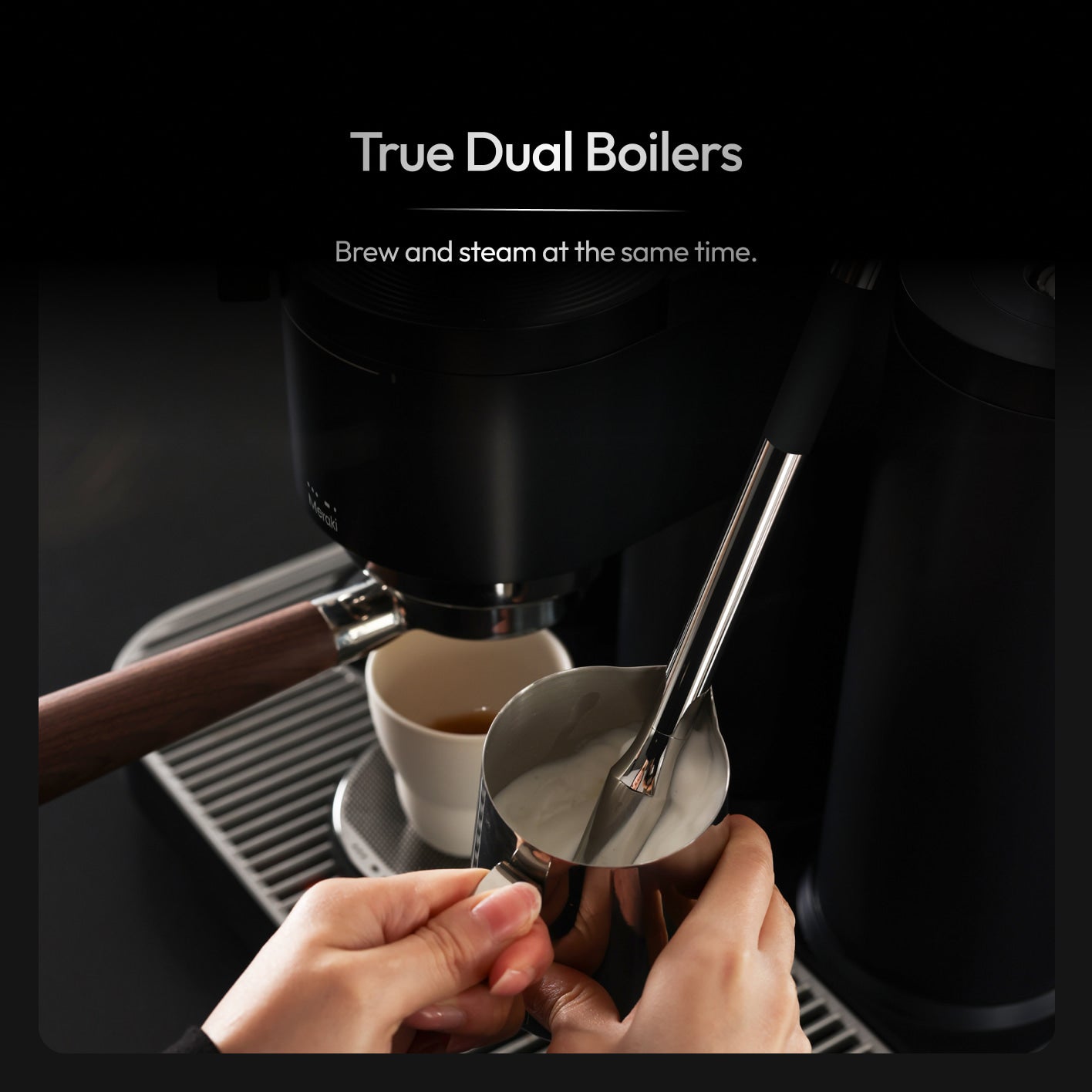
“Dual boiler” on a listing almost always points at espresso heat architecture — not a drip coffee maker with two carafes.
What “dual boiler coffee maker naming confusion” really means for home buyers
Dual boiler coffee maker naming confusion, for confused searchers, means mistaking an espresso listing’s umbrella “coffee maker / coffee machine” wording for a drip appliance — or typing “coffee maker” when you actually want pressurized espresso.
In store and search English, coffee maker is a household umbrella. It can mean a drip coffeemaker, a pod device, a bean-to-cup machine, or — loosely — any countertop coffee appliance. Espresso machine is the narrower trade term for gear built around pressurized extraction into a portafilter (and often a steam wand). Dual boiler is an espresso heat design: separate brew and steam boilers so those jobs can run independently. Retail titles and filter chips often say “dual boiler coffee maker” or “dual boiler coffee machine” because shoppers search those phrases — not because the SKU pours a carafe of filter coffee.
SERP for this confusion is noisy: forum “which dual boiler?” threads, boiler-type videos, Quora drip-vs-espresso overviews, and marketplace pages that tag espresso SKUs under “coffee makers.” Useful shoppers already know dual boilers exist. What they still lack is a label hygiene card: which words on the page prove espresso intent, which prove drip intent, and which are just SEO synonyms.
Category literacy from the Specialty Coffee Association and CoffeeGeek guides still starts with method and extraction. Soft-link Meraki’s dual hubs for architecture; stay here for search and listing language.
Who this page is for (and who should skip it)
This page is for confused searchers who keep seeing dual boiler + coffee maker / coffee machine and need to know whether the result is espresso hardware or a drip machine before they compare price or steam.
Skip what is a dual boiler espresso machine when you need the definition encyclopedia; the home dual boiler complete guide when you want end-to-end dual ownership; what dual boilers do and which to choose when the next click is “which dual”; and espresso machine vs coffee maker when the open question is which drink style belongs in your kitchen — not how listings misuse nouns. Soft-link the grinder naming trap when “with grinder” is the mix-up; soft-name an integrated vs separate grinder space/cost card when footprint and upgrade TCO — not SERP labels — decide the setup. Come here for: how to read “dual boiler coffee maker” search and product-page language.
Why this is SERP intent cleanup (not another dual-boiler encyclopedia)
This article is published by Meraki. The unique job is SERP intent cleanup: separate drip-buyer language from espresso-buyer language when “dual boiler” and “coffee maker” appear in the same title, then give a short workflow for reading product pages.
That is not a dual-boiler definition rewrite, not a complete home dual guide, not a drip-vs-espresso lifestyle essay, and not a dual-vs-single or dual-vs-HX duel. Soft-link those posts when their lane owns the next click; keep this page for naming and search hygiene.
Disclosure: Meraki sells the Meraki Espresso Machine — dual boilers, rotary pump framed near steady 9 bar, built-in dual scales (±0.2 g), TIMEMORE® co-developed grinder, guided touchscreen. Live framing (2026-10-26/27): heat-up about 3–4 minutes; brew and steam together. Re-check the dual-boiler page before treating numbers as permanent. No invented German Design / Red Dot claims here.
How “coffee maker” and “dual boiler” collide on listings
The collision is linguistic, not mechanical. Marketers and marketplaces often file espresso machines under the broader coffee makers category so filters and ads still match everyday search. Titles then stack trade jargon (dual boiler) on household jargon (coffee maker). A drip shopper scanning for a second carafe can land on a portafilter machine; an espresso shopper typing “coffee maker” can land on the right dual-boiler SKU — and still expect filter coffee because the title said maker.
In plain language, treat dual boiler as an espresso heat claim until the page proves otherwise. Proof of espresso intent usually includes a portafilter (or group head), brew pressure language (often near 9 bar for espresso), a steam wand or milk system aimed at microfoam, and dose/yield talk. Proof of drip intent usually includes a carafe or thermal pot, basket filter or paper filter, batch-brew volume (cups / liters), and little or no mention of a portafilter puck.
“Dual boiler coffee machine” is the same trap with a slightly more European noun. Soft-link Meraki coffee machine vs espresso naming when the brand noun — not dual-boiler — is the confusion; soft-link the grinder naming trap when “with grinder” is the next false synonym. NIST is a reminder that trust grows when you can re-check a claim — here, re-check the method the page describes, not the SEO title alone.
What changes in your daily cup if you misread the label
Misreading the label changes the drink contract, not just the vocabulary. Buy a dual-boiler espresso system thinking it is a drip coffee maker, and weekday mornings become portafilter work, fine grind dialing, and milk technique — not a set-and-forget carafe. Buy drip gear while hunting “dual boiler” espresso features, and you never get independent brew/steam boilers or café-style shots.
Daily-cup consequences show up fast:
| You thought you bought… | What “dual boiler + coffee maker” often actually is | Weekday reality |
|---|---|---|
| A drip coffee maker with “two boilers / two heaters” | Usually a dual-boiler espresso machine | Portafilter, fine grind, short shots — not a filter carafe |
| An espresso machine (correct) | Dual-boiler espresso system | Brew and steam can overlap; milk drinks get easier |
| “Coffee machine with grinder” (ambiguous) | Drip+grinder, bean-to-cup, or espresso+grinder | Soft-link the three-way grinder decoder before you compare price |
NCA brewing basics and About Coffee brewing still separate brew methods for a reason. Soft-link espresso vs coffee maker in your kitchen when the lifestyle pick is still open; stay here when the blocker is title language, not taste preference.
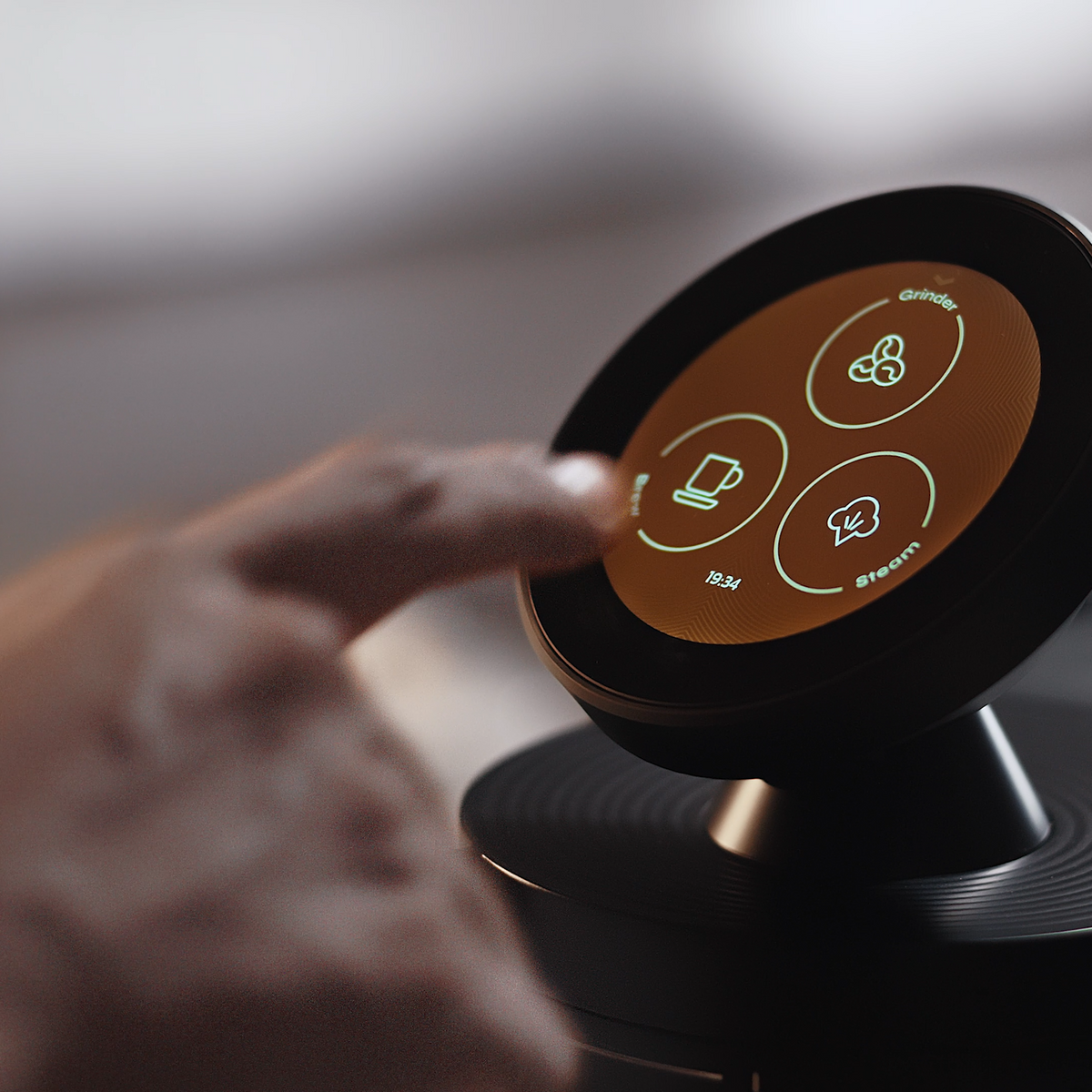
Product-page workflow cues (portafilter path, dose/yield, steam) beat SEO titles that say “coffee maker.”
A product-page reading workflow you can run in five minutes
You do not need lab gear. You need a short checklist that survives marketing synonyms. Run it once on any page titled dual boiler coffee maker, dual boiler coffee machine, or home dual boiler coffee machine.
Step workflow — SERP / listing hygiene
- Ignore the umbrella noun for thirty seconds. “Coffee maker” and “coffee machine” are often SEO synonyms. Look for the method nouns next.
- Find the brew interface. Portafilter / group head → espresso lane. Carafe + paper/basket filter → drip lane. Push-button only with no portafilter → often bean-to-cup / super-automatic — soft-link Meraki’s bean-to-cup literacy when that is the class.
- Find “dual boiler” in the body, not only the H1. Confirm separate brew and steam heat — not “dual purpose” (one boiler, two modes) and not “two warming plates.” Soft-link what is a dual boiler for the definition; stay here for the label trap.
- Scan milk language. Steam wand / microfoam / latte-cappuccino workflow supports espresso intent. “Keep warm” for a carafe does not.
- Scan measurement language. Dose, yield, grams, and brew ratio are espresso culture. Cup markings on a carafe are drip culture. Meraki’s live product framing includes built-in dual scales near ±0.2 g — useful only if you want espresso repeatability.
- Check ownership exit before cart. Trial clock, return shipping, voltage, and warranty geography on live policy pages — not on a marketplace snippet.
If steps 2–4 disagree with the title, trust the body. Soft-name a two-drink morning stopwatch when you already know it is dual-boiler espresso and the open question is couple sequencing; soft-name HX flush ritual vs dual simplicity when heat architecture — not naming — is the friction.
Search filters and phrases most people should leave alone at first
Early research dies when you chase every synonym. For dual boiler coffee maker naming confusion, leave these alone until the category is clear:
- Price sort alone. A cheap “dual boiler coffee maker” hit can be a mistagged listing or a different machine class entirely.
- Bar-number bragging without a portafilter story. Pressure numbers without group-head / portafilter context do not prove drip or espresso honesty — they prove marketing.
- “Professional” / “barista” adjectives with no workflow photos. Prefer photos of a portafilter locked in, a steam wand in milk, or a carafe filling — depending on the drink you want.
- Forum “which dual boiler?” threads before you confirm espresso intent. Those threads assume you already want espresso hardware.
Once the page clearly shows espresso dual boilers, then soft-link Meraki’s dual hubs and comparison cards. Soft-link do you actually need a dual boiler when the doubt is worth-buying; soft-link what dual boilers do when the shortlist is already espresso-only.
Tradeoffs and limits of this cleanup
SERP cleanup has limits. It will not tell you which dual boiler tastes best, whether you need dual vs single for two morning drinks, or whether HX flush ritual fits your brain. Those are separate lanes — soft-link them when ready.
It also will not fix every marketplace tag. Some catalogs will keep filing espresso under “coffee makers” forever. Your job is not to rewrite the internet; it is to read the method cues on the page you are about to buy. Barista Magazine still treats method clarity as the start of consistent drinks; at home that starts before checkout.
Meraki examples illustrate verified dual-boiler espresso positioning — they are not a lab ranking of every SKU tagged “coffee maker.” Re-check the dual-boiler espresso machine page the day you buy.
How this pairs with grinder, scales, or steam
Once the label is clear, accessories and layout questions unlock. If the page is dual-boiler espresso, a capable grinder (integrated or separate), a scale habit, and a steam wand plan matter. Soft-link the grinder naming trap when “with grinder” still confuses drip hoppers with espresso mills; soft-name an integrated vs separate grinder space/cost card when counter inches and upgrade TCO are next.
If the page is actually drip, dual-boiler espresso accessories (portafilter baskets, WDT, puck screens) will not help — and “dual boiler” in the title was a false friend. Steam talk on a drip page usually means a separate frother or none at all. FDA safe food handling remains useful for milk gear once you know you are in the espresso + steam lane.
Practical takeaway checklist
Use this once before you add a “dual boiler coffee maker” to cart. Answer out loud; the first honest mismatch usually saves a return.
- Does the page show a portafilter / group head — or a carafe + filter basket?
- Does “dual boiler” appear in the body as separate brew and steam heat — not dual-purpose / dual warmers?
- Is milk language about a steam wand / microfoam, or about keeping a carafe warm?
- Do photos match the drink I actually want most weekdays?
- Have I soft-linked Meraki’s dual definition / complete guide instead of re-learning architecture here?
- Have I checked trial, returns, and voltage on live policy pages for my market?
- If the title says “coffee maker” but the body is espresso, am I okay with portafilter workflow?
Three “espresso cues” on rows 1–3 usually mean you found dual-boiler espresso hardware dressed in household nouns. Carafe cues mean leave the dual-boiler espresso shortlist — or change what you are shopping for.
What does dual boiler mean in a coffee machine?
It means two separate boilers — typically one for brew water and one for steam — on an espresso system, not a drip coffee maker with two carafes.
When a listing says dual boiler inside “coffee machine / coffee maker” language, read it as an espresso heat claim until the page shows a portafilter path. Soft-link what is a dual boiler espresso machine for the full definition; this page only needs the naming consequence.
Conclusion
Treat “dual boiler coffee maker” as a search and listing synonym problem first. Confirm espresso vs drip from portafilter, steam, and method cues on the product page — then decide whether dual boilers fit your drinks. Soft-link Meraki’s dual hubs for architecture; soft-link espresso-vs-coffee-maker and grinder-naming posts when those lanes own the next doubt. Decide with the body copy, not the SEO title alone.
For Meraki’s dual-boiler espresso path, start at the dual-boiler espresso machine page — then confirm heat-up, trial, and warranty the day you buy. Support: +1 833 854 9555, Mon–Fri 9 AM–5 PM EST, or support.
FAQ
Is a “dual boiler coffee maker” the same as a dual boiler espresso machine? Often yes in marketplace English — and that is the trap. Many espresso dual-boiler listings are titled or filtered as coffee makers / coffee machines. Confirm a portafilter (or group head), brew/steam boiler language, and milk-wand workflow on the page. If you see a carafe and paper filter instead, you are in drip territory despite the dual-boiler words.
What is a coffee maker person called? In casual English, people say home barista, coffee drinker, or just “the person who makes coffee.” In cafés, the craft role is usually barista. The job title does not tell you which machine to buy — the drink method does. Soft-link espresso vs coffee maker when the lifestyle pick is still open.
What is coffee also known as? “Coffee” is the everyday name for the drink and the beans; trade talk sometimes uses brew, cup, or origin/process names. None of those synonyms decide dual-boiler vs drip. Use product-page method cues (portafilter vs carafe) instead of synonym hunting.
Do I really need a dual boiler espresso machine? Only if your drink pattern needs independent brew and steam — for example overlapping espresso and milk drinks on busy mornings. Soft-link Meraki’s “do you actually need a dual boiler” essay and the dual complete guide when that is the open question; use this page only to confirm you are shopping espresso hardware, not a mistagged drip maker.
Why do stores say “coffee maker” on espresso pages? Because shoppers search that umbrella phrase, and catalogs often file espresso under a broad coffee-makers category. It is SEO and navigation habit, not a promise of filter coffee. Read the body: portafilter and dual-boiler brew/steam language mean espresso intent.


