


Implementation path: name the drink you want most mornings → if it is batch drip, shortlist grind-and-brew coffee makers → if it is espresso or latte, shortlist espresso machines with grinders → only then compare built-in vs separate. Key numbers: cups per batch, fine-adjustment steps for espresso, and minutes you will spend brushing the chute each week.
This page owns coffee maker with grinder intent without mixing drip and espresso the way SERPs often do. Adjacent Meraki angle (espresso family): espresso machine with grinder. Built-in vs separate espresso framing also lives on the coffee-grinder-and-espresso guide—here the split is drink family first.
Who should buy a coffee maker with grinder
People who hate pre-ground staleness and want beans to stay whole until brew time.
Skip integrated grinders if you will not clean them or if you need specialty single-dose flexibility.
Households that share drip and espresso tastes may need two tools, not one compromise box. Literacy: NCA, SCA.
Grind-and-brew drip vs espresso combo
| Family | What it makes | Grinder job | Failure mode |
|---|---|---|---|
| Grind-and-brew drip / batch | Pot-scale coffee | Medium-coarse consistency | Stale retention; weak “espresso” claims |
| Espresso machine with grinder | Shots + milk drinks | Fine espresso band | Underpowered burrs; hard cleaning |
| Separate grinder + brewer | Whatever you own | Upgradeable | More footprint |
Long-tail phrases—coffee machine with grinder, grind and brew coffee maker, coffee maker with built in grinder, coffee machine that grinds beans—can point at either family. Read the brew method on the box.
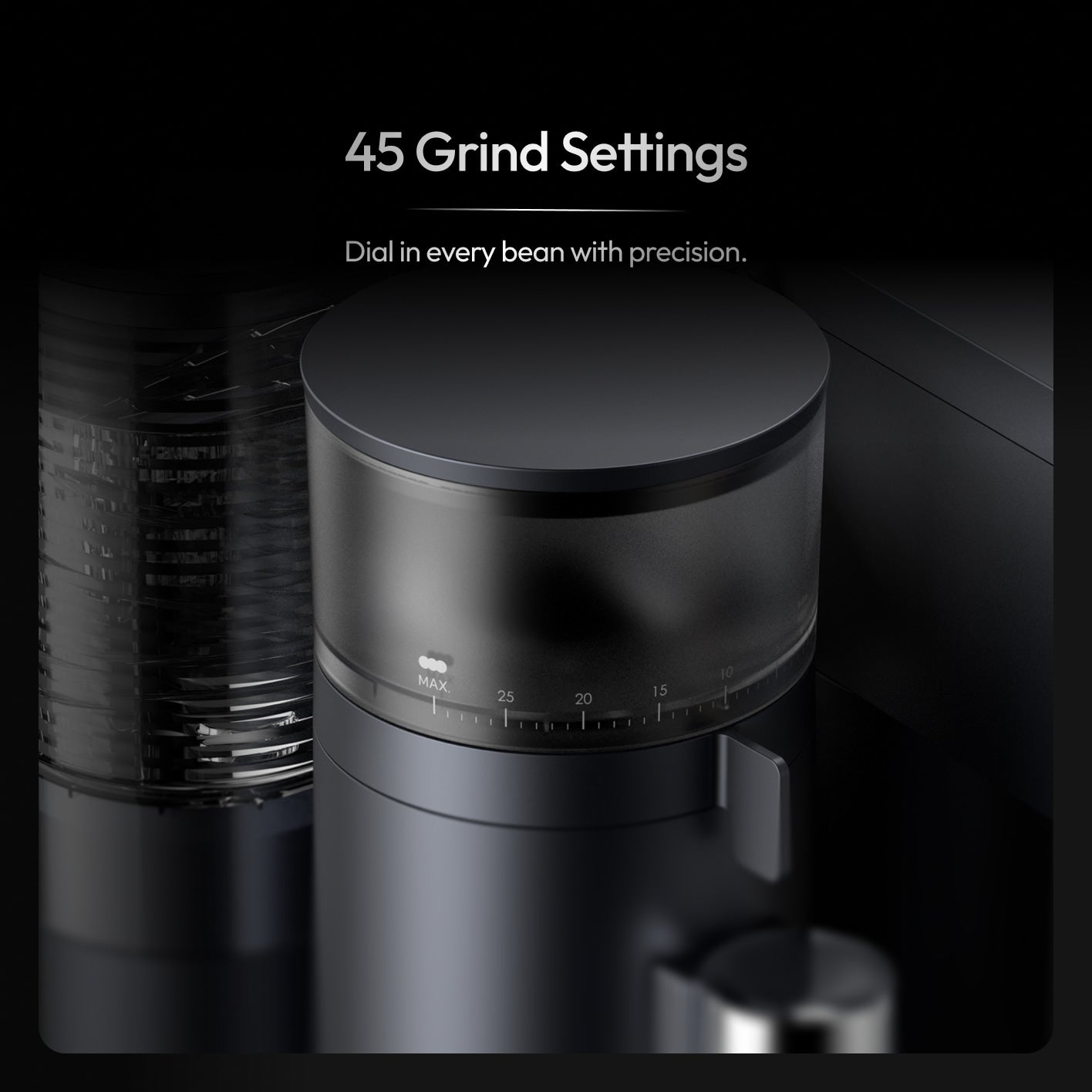
Must-have specs vs nice-to-haves
Must: grinder matched to brew method, easy hopper emptying, brew temperature suited to the style, and parts you can wash. Nice: scheduling screens, oversized carafes, app timers. Education: SCA education. Water: CDC, EPA WaterSense.
Built-in vs separate grinder
Built-in reduces footprint and can automate dosing. Separate raises ceilings and cleaning access. For espresso ceilings, be harsher in evaluation than for drip. Habit: Harvard on coffee.
Cleaning and failure modes
What goes wrong: oily retention flavoring the next pot, clogged chutes, ignored carafe films, and descaling never done. Brush weekly at minimum for daily users. Accessories and brushes: accessories collection.
Rebuttal to “set and forget”: grinders that never see a brush become spice cabinets of old coffee.
Budget tiers
Cheap grind-and-brew units save money until you hate the cup. Mid drip systems improve thermal carafes and grind consistency. Espresso combos cost more and must prove burr quality. Beans: beans collection.
Where Meraki fits
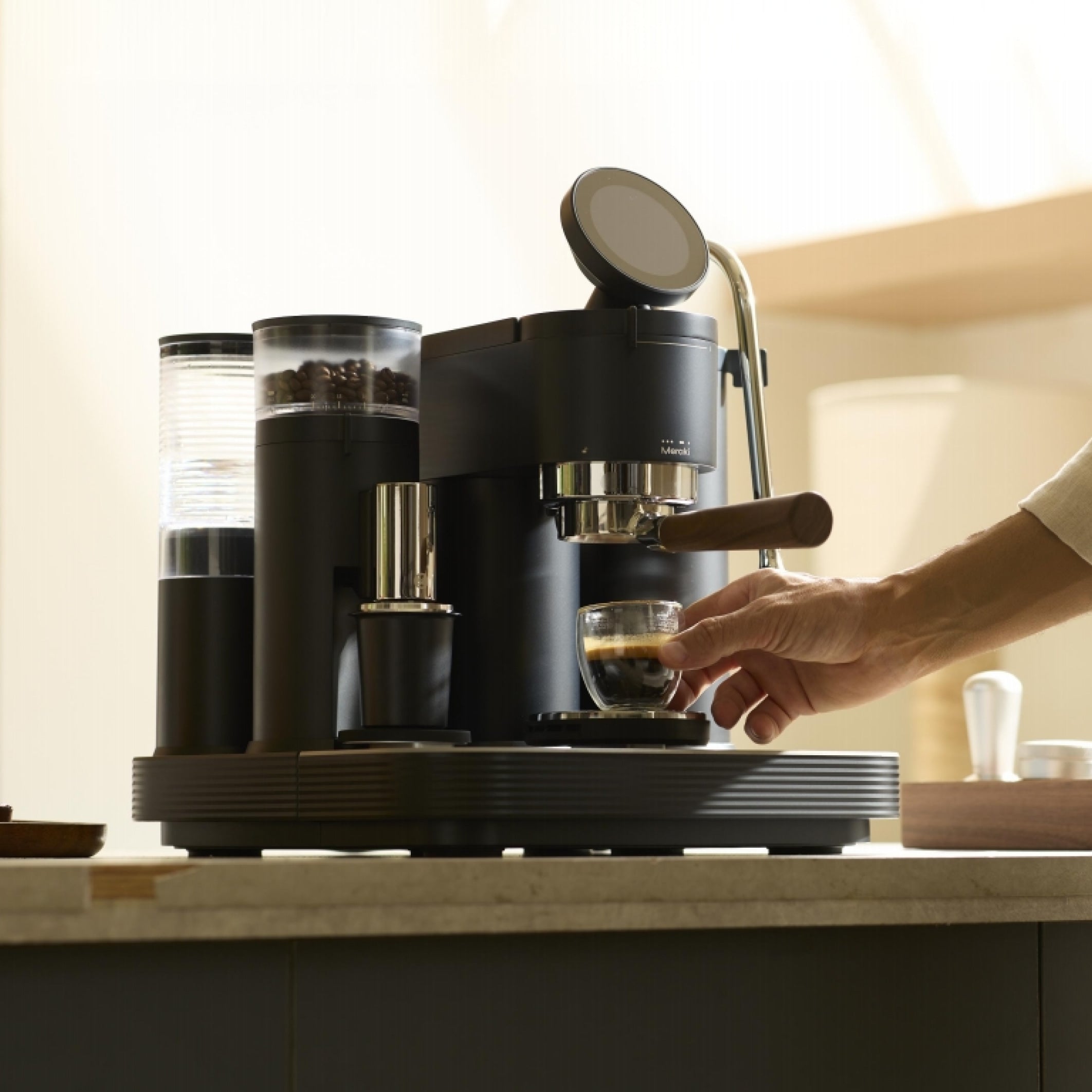
Meraki is an espresso-family all-in-one—not a drip grind-and-brew. Choose it when the drinks are espresso, latte, cappuccino, flat white, americano via espresso, and you want dual boilers, scales, and guided grinding in one footprint. Disclosure: Meraki product path inside the espresso combo column. View the Meraki espresso machine. Guides: machine guides. Sensory: Coffee Review; composition: Coffee & Health; craft: Perfect Daily Grind; caffeine: NCA caffeine.
Kitchen constraints
Hoppers add height. Espresso combos add depth. Drip carafes need landing space. Measure before mixing appliance categories on one crowded counter.
Mistakes to avoid
Buying drip grind-and-brew expecting espresso crema. Ignoring cleaning. Assuming any built-in equals specialty grinding. Cross-shopping only on the phrase “with grinder” without reading brew method.
Depth: two-week taste test
Brew your usual drinks for two weeks on the candidate class. If drip makes you happy, stop forcing espresso. If you keep walking to a café for flat whites, your grind-and-brew is answering the wrong question. Then decide built-in vs separate inside the winning family.
Shopping script for mixed SERP terms
When the query is coffee maker with grinder, open two browser tabs labeled DRIP and ESPRESSO. Put candidates into one tab only after you read the brew method. This silly script prevents carting a drip grind-and-brew when you wanted flat whites.
For drip: score thermal vs glass, shower-head design if mentioned, and how the grinder empties. For espresso: score burr fineness, dual boiler or steam waits, and cleaning access. Do not cross-score them on hopper size alone.
Cleaning failure museum: flavored hazelnut beans left in a drip hopper for weeks; espresso oily darks stuck in a chute; vinegar debates imported into espresso boilers incorrectly. Keep chemistry matched to machine class.
Meraki belongs only in the ESPRESSO tab as a measured combo with dual boilers and scales. If your DRIP tab is winning, buy a good drip system and a separate burr for filter—then stop forcing espresso narratives onto it.
Long-tail coverage: grind and brew coffee makers, coffee brew and grind, coffee machine that grinds beans—all need the same family split before brand talk.
Budget honesty: a mediocre combo that does both drip and espresso poorly is worse than one excellent single-purpose tool.
Failure museum and fixes
Failure: hopper smells like old hazelnut. Fix: empty, brush, run bland beans or cleaner per manual, reconsider flavored beans in shared grinders. Failure: espresso combo cannot reach fine settings. Fix: return or add separate espresso grinder; do not blame roast alone. Failure: drip grind-and-brew marketed with “espresso” buttons that make strong drip. Fix: recalibrate expectations; buy true espresso gear if needed.
Cleaning minutes belong in the purchase decision. If you will not brush, buy pre-ground drip and accept staleness—or subscribe to freshly ground with eyes open. Integrated grinders punish denial.
Footprint planning: hopper height kills under-cabinet dreams. Measure. Espresso combos also need knocking space. Drip carafes need a clear landing pad so you do not burn wrists.
Meraki stays in the espresso combo column with dual boilers and scales. It will not brew a 10-cup drip pot. That boundary protects both product honesty and your morning.
Built-in quality ceilings by family
Drip grind-and-brew ceilings: even medium-coarse grinding, low retention smell, brew temperature that does not scorch, and a carafe that matches sip pace. Espresso combo ceilings: true fine adjustment, consistent burrs, steam that can texture, and temperature stability under milk load. A hopper photo cannot tell you which ceiling you bought.
Ask product pages: stepped vs stepless (or how fine the steps are), whether espresso is a real mode or a strong-drip button, and how to empty the grind path. If answers are vague, walk away.
Separate grinders remain the upgrade hatch for both families. Buying integrated is a bet that the hatch matters less than footprint. Make that bet consciously after the DRIP vs ESPRESSO tab script.
For espresso ceilings with measurement, Meraki’s TIMEMORE co-developed grinder dosing onto scales inside dual boilers is the coherent stack—disclosed, not disguised as a drip maker.
Conclusion
Split drip grind-and-brew from espresso combos first; then judge built-in grinder quality and cleaning honesty. Meraki sits in the espresso combo lane for measured home café drinks.
Explore the espresso combo path on the Meraki espresso machine or read espresso machine with grinder.
FAQ
Are coffee makers with grinders worth it?
They are worth it when you will use fresh beans daily and accept cleaning the grind path. They disappoint when the grinder is weak, retention is ignored, or you expected espresso quality from a drip grind-and-brew alone.
Grind-and-brew vs espresso machine with grinder?
Grind-and-brew usually means drip or batch coffee with an integrated grinder. An espresso combo uses fine espresso grinding and pressurized extraction. Buy the family that matches the drinks you order.
Can built-in grinders do espresso well?
Some can, when burrs and adjustment reach espresso fineness. Many drip-oriented built-ins cannot. Read the product class carefully.
How do you clean a grind-and-brew maker?
Empty hoppers, brush chutes, clean baskets/carafes, and follow descaling for the brew side. Oils in the grinder path need attention when you switch flavored beans.
Should I buy a separate grinder instead?
Yes when you want upgrade modularity, single-dosing, or higher espresso ceilings. Integrated wins on footprint when the grinder is truly capable for your drink class.


