


Decision path: How many minutes do you have? How many cups? Do you enjoy kettle pouring? Key numbers: automatic drip can finish a pot while you pack lunches; pour-over often asks 3–4 focused minutes per small batch. Neither method is espresso—and that honesty keeps shopping sane.
Ratio deep-dives stay short here on purpose. Hub: coffee knowledge; numbers: coffee to water ratio.
Quick verdict
Choose drip for batch ease; choose pour-over for hands-on control and weekend clarity.
Matched fresh coffee can taste excellent either way; technique ceilings differ.
Pick the method you will repeat. Literacy: NCA, SCA.
Side-by-side definitions
Drip coffee makers heat and distribute water automatically through a basket. Pour-over uses a dripper and kettle under your pacing. Both are filter coffee families. Education: SCA education.
| Factor | Drip | Pour-over |
|---|---|---|
| Control | Machine settings | Your pour and timing |
| Time | Low attention | Active minutes |
| Batch size | Easy pots | Usually smaller |
| Taste ceiling | High with good machines | High with skill |
| Cleanup | Basket + carafe | Dripper + kettle |
Taste and mouthfeel
Pour-over fans chase clarity and aroma; drip fans chase reliable pots. Bad versions of either taste flat or bitter. Grind freshness dominates. Sensory: Coffee Review.
Time, effort, and weekday reality
High-end drip coffee makers can be excellent weekday tools. Pour-over shines when you want meditation-by-kettle. Hybrid households do both. Water: CDC, EPA WaterSense.
Caffeine and strength notes
Strength is recipe, not method branding. Matched ratios keep caffeine in similar neighborhoods. Refs: NCA caffeine, Harvard caffeine.
When to choose which
Weekday pot for three people: drip. Solo weekend spotlight cup: pour-over. Travel cabin with one cone: pour-over. Office auto refill: drip. French press and coffee grinder pairings can sit as a third immersion option when you want body without paper—keep it secondary here.
How to make both (short)
Drip: weigh coffee near 1:16, fresh grind, clean machine, start. Pour-over: rinse filter, bloom, pulse pour to target water weight, finish. Details on grams live in the ratio guide. Habits: Harvard on coffee, Coffee & Health.
Where Meraki fits
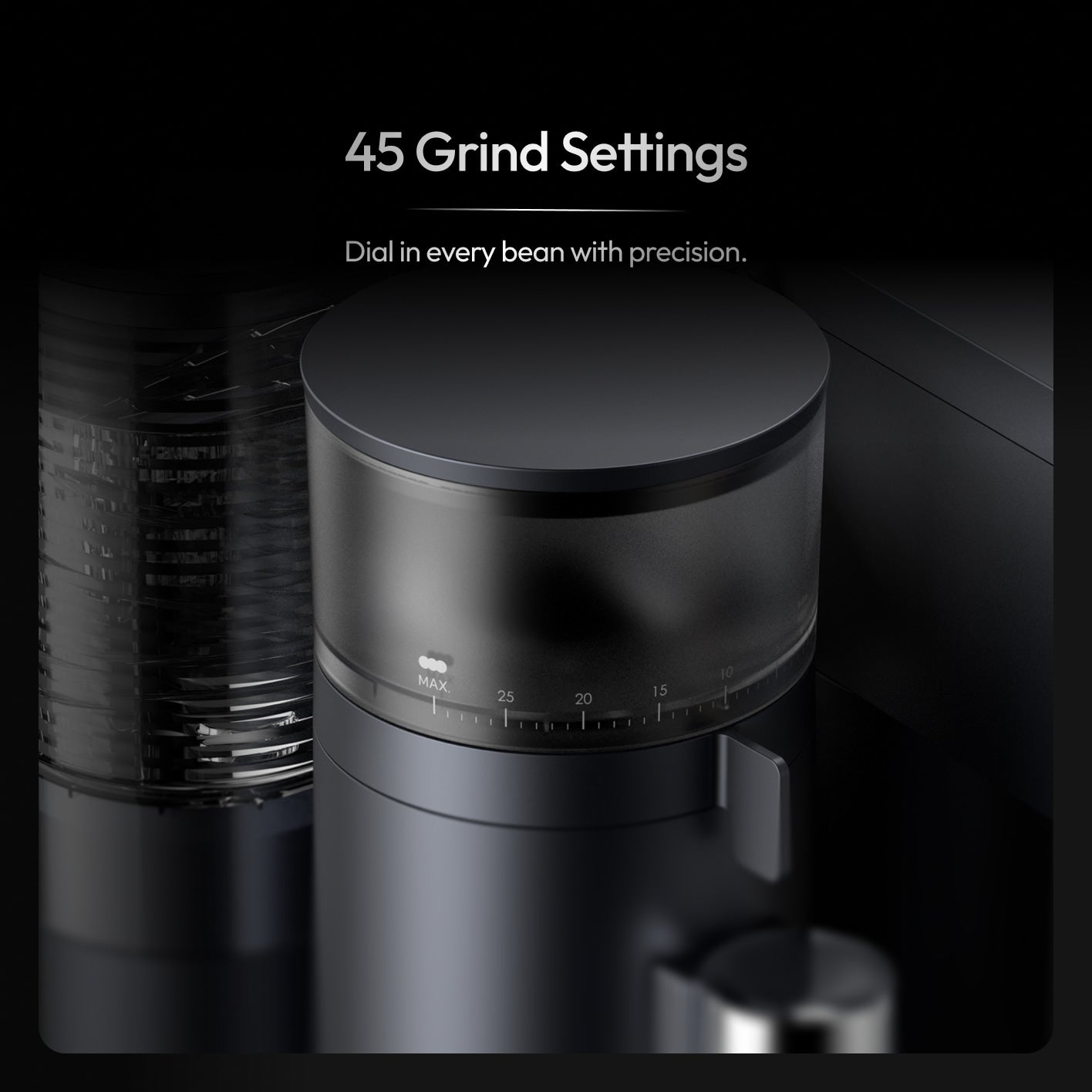
If your endpoint is latte art and espresso, drip vs pour-over is a parallel track—not a failure. Meraki covers the espresso/milk station with dual boilers and scales. Disclosure: different tool class. Product: Meraki espresso machine; accessories: collection; beans: beans. Craft: Perfect Daily Grind.
Mistakes to avoid
Calling pour-over morally superior while skipping it on weekdays. Running dirty drip machines. Using espresso-fine grind in either filter method. Writing long ratio essays here instead of linking out.
Depth: best way to make coffee is the one you repeat
Searchers asking for the best way to make coffee often want permission to stop optimizing. Permission granted: fresh beans, sensible ratio, clean gear, method you enjoy. Everything else is hobby depth for when you want it.
How to make coffee in a coffee maker still starts with clean baskets and weighed dose. What is drip coffee and what is pour over coffee become less confusing once you taste both with the same beans on consecutive mornings.
Weekend vs weekday without guilt
A high-end drip coffee maker on Monday and a conical pour-over on Saturday is not hypocrisy—it is scheduling. Guilt marketing that says only manual methods count ignores how people live. Measure success by cups finished happily, not by kettle Instagrams.
When comparing methods, brew the same beans back-to-back at similar ratios and temperatures. Otherwise you compare roast luck to pour theater. Grind quality remains the quiet equalizer; blade grinders sabotage both drip and pour-over.
If espresso enters the kitchen later, keep filter gear. Many households want batch coffee and milk drinks. Tool coexistence beats forced monogamy with a single brew religion.
If pour-over feels like a chore four weekdays running, let drip take those days without apology. Consistency beats purity contests, and clean gear beats fancy drippers filled with old oils.
Grind and filter differences that actually show up
Pour-over often prefers a medium grind with careful pulses; auto drip wants even saturation from its shower screen and a grind that does not choke paper filters. Espresso-fine grind in either method invites bitter stalls. Burr grinders matter more than kettle brand loyalty.
Paper filters emphasize clarity; metal filters pass more oils and fines. That choice changes mouthfeel inside both drip and pour-over families. Clean whatever filter path you use so old oils do not author the cup.
Time budgets: if you have four quiet minutes, pour-over can be joyful. If you have forty scattered seconds between lunchboxes, drip wins. Respect the calendar.
French press as a third lane
Immersion with a mesh plunger yields heavier body and different cleanup. It pairs with a coffee grinder set coarser than drip. Mentioned here so secondary keywords find a home without hijacking the drip-vs-pour-over verdict table.
Cleaning and ownership costs
Drip machines need basket and carafe washing plus descaling. Pour-over gear needs dripper and kettle descaling attention too, just in different shapes. Neither method is maintenance-free. Factor that into “easy” claims.
High-end drip makers can justify themselves for households that brew pots daily. Manual pour-over kits justify themselves for people who savor the process. Budget for filters or rinsed metal screens accordingly.
What is drip coffee and what is pour over coffee become obvious after one same-bean weekend test. Keep French press as an immersion side quest. Escalate to espresso only when steam milk drinks define the craving.
Conclusion
Use drip for easy pots, pour-over for hands-on cups, and escalate to espresso gear only when pressurized milk drinks are the real craving.
Explore espresso when ready on the Meraki espresso machine, or keep learning in coffee knowledge.
FAQ
Is pour over better than drip?
Pour-over offers more live control; drip offers easier batch consistency. Better depends on whether you want ritual control or weekday automation—not a universal trophy.
What is drip coffee?
Drip coffee is brewed by hot water passing through a bed of grounds into a carafe, usually in an automatic coffee maker. It is gravity brew, not espresso.
What is pour over coffee?
Pour-over is a manual method where you pour water over grounds in a dripper, controlling bloom, pulses, and total time. It still uses gravity, with human pacing.
Does pour over have more caffeine?
Not automatically. Caffeine tracks dose and brew more than the romance of the kettle. Matched recipes yield similar ballparks.
Best everyday brewing method?
For most busy mornings, quality drip or a simple pour-over you will actually make beats unused theater gear. Match method to minutes available.


