


Checklist before the species debate eats your afternoon: (1) do you drink espresso black or with milk, (2) do you want nuance or punch, (3) are you shopping species or accidentally shopping roast color? Failure scene: buying “100% Arabica” as a moral win, then hating the light-roast sparkle under milk while a classic blend with a little Robusta would have tasted like the café memory you wanted.
Related Meraki reading: Arabica vs Robusta names; hub coffee knowledge.
Quick verdict
Arabica usually wins aromatic complexity; Robusta usually wins caffeine density and rugged crema support.
Espresso culture often blends them; specialty culture often highlights Arabica—both are valid tools.
Choose for the cup you make most. Literacy: NCA, SCA.
Side-by-side definitions
Arabica (Coffea arabica) and Robusta (Coffea canephora) are different coffee species with different typical growing altitudes, cup profiles, and caffeine ranges. Labels naming either species describe genetics more than roast. Education: SCA education.
Taste and mouthfeel
Arabica often shows florals, fruits, and sweeter acids when washed and lightly roasted. Robusta often shows earthier, rubbery, or cocoa-bitter notes depending on quality and roast—excellent lots exist, and poor lots of either species disappoint. Sensory vocabulary: Coffee Review.
Caffeine and crema
Robusta typically carries more caffeine. In espresso, Robusta can thicken crema appearance; Arabica can produce beautiful crema too when fresh and well extracted. Caffeine refs: NCA, Harvard.
Espresso use and blend strategy
Classic Italian-leaning espresso blends may include Robusta for structure. Modern specialty espresso may be 100% Arabica with milk-friendly chocolate profiles or bright filter-style shots. Neither path is mandatory purity theater. Craft: Perfect Daily Grind.
| Factor | Arabica | Robusta |
|---|---|---|
| Typical flavor lane | Nuanced, often sweeter acids | Bolder, earthier, more bitter potential |
| Caffeine | Lower typical | Higher typical |
| Crema help in blends | Freshness-driven | Often boosts crema body |
| Milk drinks | Excellent when chocolatey | Helps cut sweetness/foam |
| Home tip | Dial gently; watch sour underextraction | Watch bitterness; adjust yield |
Roast-level secondary notes (short)
French roast coffee and other dark styles can be Arabica or blends; light vs dark roast coffee changes flavor on top of species. Do not shop “French roast” when you meant “Robusta,” or vice versa. Water: CDC, EPA WaterSense.
How to brew both at home
Use espresso-fine grinding for shots, weigh dose/yield, and take notes when switching bags. Filter methods can showcase Arabica clarity; Robusta filter cups need careful dosing to avoid heaviness. Beans: collection. Habits: Harvard on coffee, Coffee & Health.
Where Meraki fits
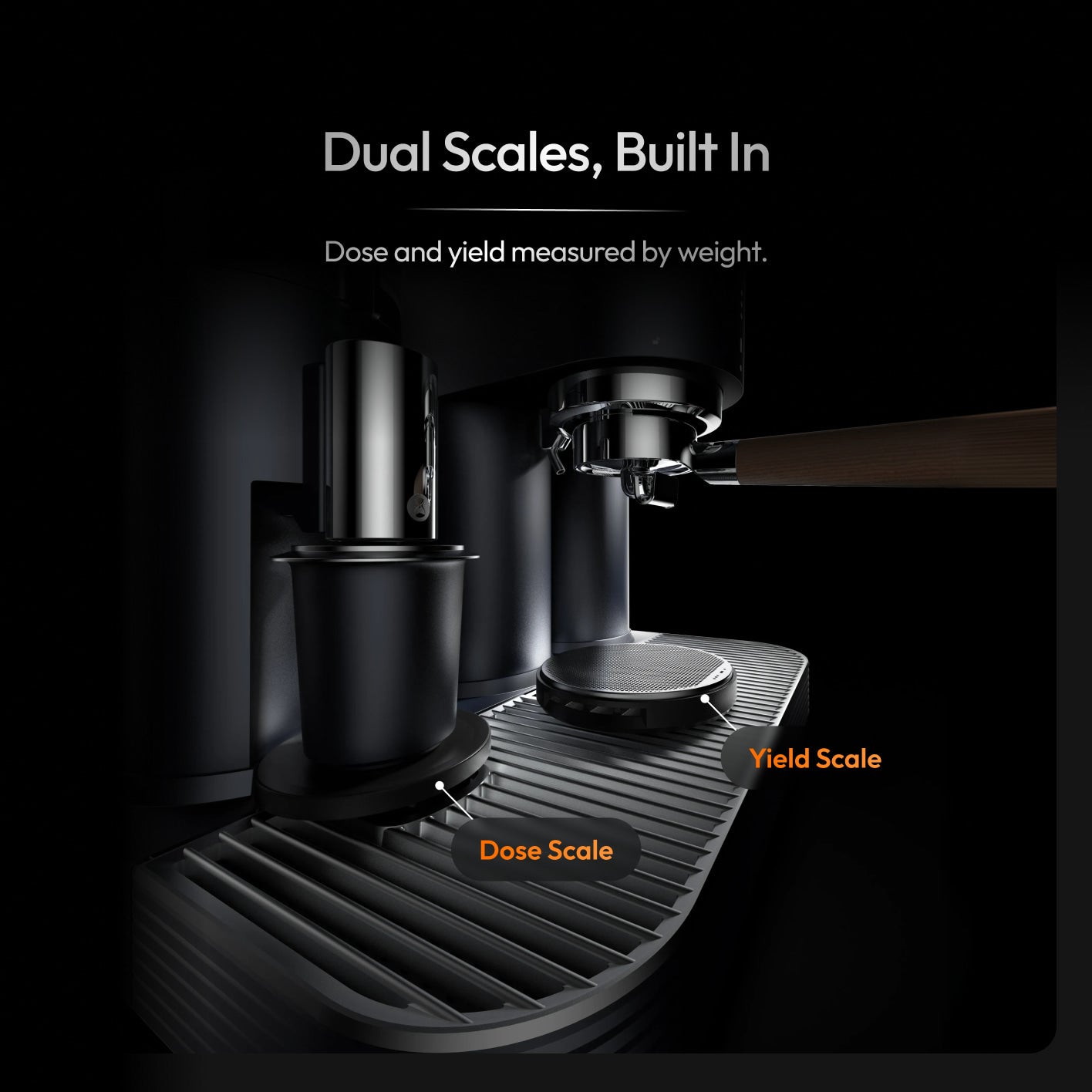
Meraki’s grinder, scales, and dual boilers let you A/B Arabica lots and blends with controlled variables. Disclosure: equipment brand in this comparison framework. Product: Meraki espresso machine; accessories: collection; deeper naming notes: what the names really mean.
Mistakes to avoid
Equating Arabica with automatic quality. Fearing any Robusta as junk. Confusing roast color with species. Ignoring dial-in when bags change.
Shopping labels without purity panic
Bags that shout 100% Arabica can still taste dull if stale. Bags that include Robusta can taste polished if the roaster knows their craft. Read roast dates, grind fresh, and run two side-by-side doubles when curious. Your palate is the judge that matters for milk drinks you actually order.
Origin stories for Robusta have improved in specialty conversations; dismissing an entire species is lazy tasting. Likewise, treating Arabica as automatically gentle caffeine is false—dose still rules. Keep roast level in view so French roast darkness does not get misread as species destiny.
For espresso machines with capable grinders, species experiments are cheap compared with buying new boilers. Change beans, not hardware, when curiosity calls. Log crema, bitterness, and milk cut-through in three words each so comparisons survive the weekend.
When milk drinks dominate, taste blends and single origins under the same foam recipe before declaring Arabica or Robusta superior. The drink menu is the real scoreboard.
Crema reading without superstition
Crema color and thickness respond to freshness, roast, species, and extraction. Robusta can help crema volume in blends, yet stale Robusta still disappoints. Arabica can produce handsome crema when fresh. Use crema as one clue among taste and texture, not as a sole quality score.
Milk drinks hide crema quickly. If your household mostly drinks lattes, judge species by how chocolate or bitter notes cut through foam rather than by crema photos. Straight espresso drinkers can lean harder on crema and finish quality.
For dial-in, keep yield constant while swapping bags so species differences are not confused with random ratio drift. Write three words: sweetness, bitterness, aftertaste. That tiny log outperforms memory after a busy week.
Roast color vs species confusion clinic
French roast describes dark development, not a botanical category. Light roast Arabica can taste sparkling; dark roast Arabica can taste cocoa-bitter; Robusta can be roasted light or dark with different outcomes. Shop the intersection of species and roast that matches your menu instead of collapsing both axes into one aisle label.
Practical blend tasting protocol
Buy a pure Arabica espresso lot and a classic blend with disclosed Robusta percentage if available. Pull three shots each at the same dose and yield. Taste black, then with identical milk volumes. Note which better matches your café memory. That afternoon experiment settles more arguments than another year of slogan shopping.
If bitterness spikes on Robusta-forward shots, lengthen yield slightly or coarsen a notch before abandoning the bag. If Arabica shots taste thin under milk, try a chocolateier roast rather than immediately adding Robusta. Tools and patience beat dogma.
Robusta versus Arabica shopping should end in a cupping notebook, not a forum purity test. Blend strategy is a roaster craft; your job is to taste under your milk menu and keep dial notes when bags rotate through the hopper.
Conclusion
Use Arabica for nuance, Robusta for punch and blend structure, and judge espresso by the cup you dial—not by purity slogans alone.
Taste both paths on the Meraki espresso machine with beans from the beans collection.
FAQ
Is Arabica better than Robusta?
Arabica is often preferred for nuanced aroma; Robusta brings higher caffeine, bigger crema potential, and bolder bitterness. Better depends on the drink: many espresso blends use both deliberately.
Which has more caffeine?
Robusta typically contains more caffeine than Arabica by seed weight. Exact cup numbers still depend on dose and brew.
Why use Robusta in espresso blends?
Roasters add Robusta for crema, punch, and cost structure in classic espresso profiles. Specialty pure Arabica espresso is also common—choose by taste, not purity slogans.
Arabica vs Robusta for milk drinks?
Both work. Chocolatey Arabica-forward blends shine under milk; a touch of Robusta can help cuts through syrups and dense foam. Taste your milk menu before declaring a winner.
Where do French roast and light roast fit?
Roast level is a separate axis from species. French roast is a dark roast style; light vs dark changes flavor on Arabica or Robusta alike. Do not confuse species with roast color.


