


Decision path: separate three ideas before you change beans in a panic—(1) measured pH, (2) pleasant flavor acidity (brightness), (3) how your stomach feels after a cup. Counterintuitive take: chasing zero acidity can flatten the cup into dull bitterness, while a sharp sour espresso is often an extraction problem, not proof that coffee is medically “too acidic” for everyone.
This explainer owns acidity literacy without medical advice. Hub: coffee knowledge.
Definition: is coffee acidic?
Yes—brewed coffee is typically acidic on a pH scale and can taste bright when acids are well expressed.
pH values often cited for coffee sit roughly in the mid-4s to about 5-range, varying by brew.
Flavor acids are part of coffee’s sensory identity, not a defect by default. Literacy: NCA, SCA.
Why it matters at home
Buyers search this when cups taste sharp, when reflux worries appear, or when marketing promises “low acid” beans. Sorting flavor vs comfort prevents throwing away coffee you actually like. Education: SCA education; health habit context (not diagnosis): Harvard on coffee, EatRight on coffee.
Taste acidity vs stomach feel
Bright berry-like acidity can be delightful in a washed light roast. Stomach discomfort is personal and multifactorial—fat in meals, volume, caffeine, and timing can matter as much as pH slogans. This page does not diagnose or treat conditions; see a clinician for medical symptoms. Composition: Coffee & Health.
Lower-acid options table
| Lever | What to try | Trade-off |
|---|---|---|
| Roast | Medium-dark to darker | Less sparkle; more roast flavors |
| Brew method | Cold brew; careful drip | Different body; time cost for cold brew |
| Extraction | Fix sour underextraction (finer/longer as appropriate) | Going too far adds bitterness |
| Temperature | Slightly lower brew temp experiments | Can mute sweetness if too low |
| Pairing | Milk or food with coffee | Changes calories and flavor |
Home adjustments for espresso sharpness
If espresso tastes like lemon vinegar and finishes fast, grind finer or adjust dose/yield before declaring the origin “too acidic.” Channeling creates sour-bitter chaos that people mislabel as acidity alone. Parameters beat superstition. Sensory: Coffee Review. Water: CDC, EPA WaterSense.
Gear notes
Stable brew temperature helps you taste the bean you bought instead of random spikes. Scales make dose/yield repeatable when you test darker roasts or ratio changes. Beans shortlist: beans collection.
Misconceptions
Dark roast is always stomach-proof. Milk erases acidity medically. Espresso is always harsher than drip. Fast Q: acidic? Yes. pH? Often ~4.5–5.5 class. Less acidic cup? Roast/brew levers. Milk? Softens perception.
Where Meraki fits
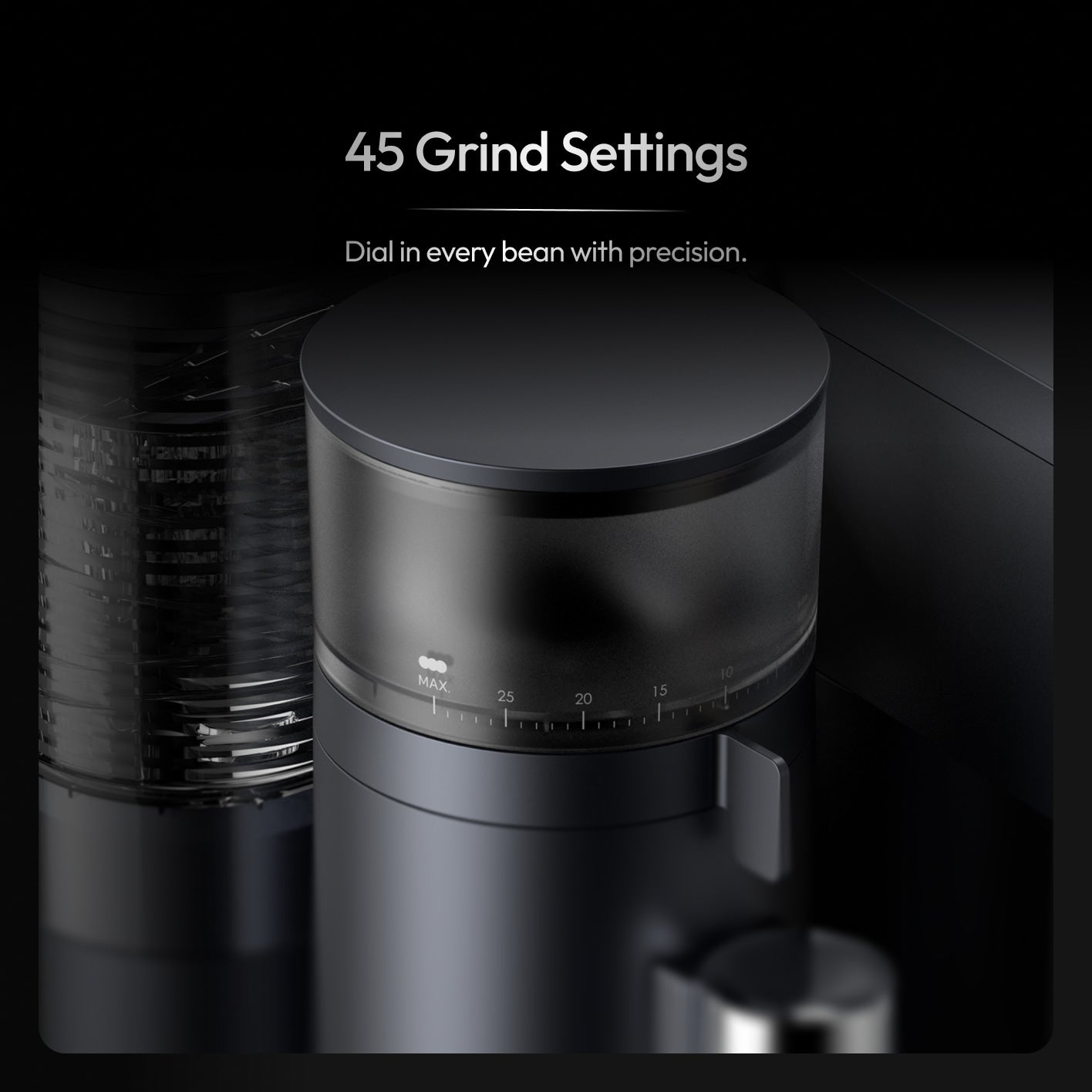
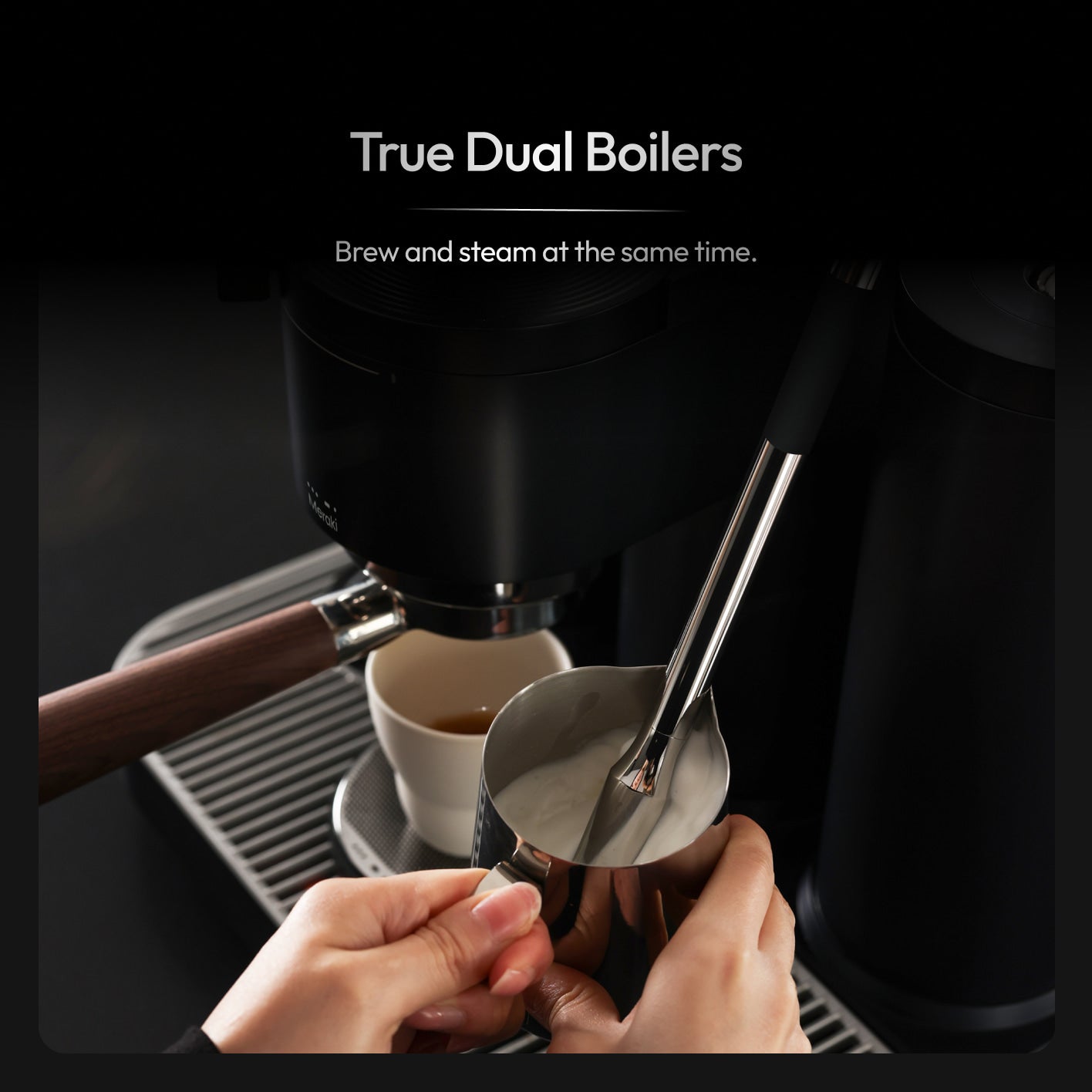
Meraki’s dual boilers and guided, weighed workflow help keep temperature and dose steady while you test lower-acid preferences—disclosed as a consistency tool, not a medical device. Product: Meraki espresso machine; accessories: collection; guides: machine guides. Craft: Perfect Daily Grind; caffeine: NCA caffeine.
Cold brew and dark roast caveats
Cold brew often tastes smoother and is frequently chosen by people seeking gentler cups; it is still coffee with caffeine and acids, not water. Darker roasts mute some bright acids while adding roast bitterness—trade deliberately. Marketing “acid-free coffee” as a medical solution oversells what roast chemistry can do.
If discomfort persists across methods, look beyond the kettle: meal timing, volume, and personal health history matter. Coffee blogs should not replace clinical advice. Use brew experiments for taste and everyday comfort; use professionals for symptoms that worry you.
Recording a simple home acidity test
Brew the same beans as drip and espresso, taste at similar temperatures, and note “bright / sharp / dull / bitter” without grading yourself. Change one lever—grind or roast choice—next day. In a week you will know whether your issue was underextraction theater or a bean you simply dislike. Keep water consistent so mineral swings do not confuse the log.
Water, roast, and expectation management
Very soft or poorly mineralized water can make coffee taste sharp or empty; very hard water can mute and scale machines. Test water if every bean tastes wrong in the same way. Roast choice still matters: light washed coffees advertise acidity as a feature—buying them while demanding “no acid” is a conflict you can resolve at the bag, not only at the grinder.
Espresso machines with stable temperature help you isolate variables. If every shot is a random thermometer adventure, you will mislabel extraction faults as bean acidity forever. Weigh in and out. Taste. Then change roast or method deliberately.
Lower-acid marketing can be useful when it points to specific process claims you can verify; it is less useful as a blanket health halo. Stay curious, stay skeptical, and keep clinicians in the loop for real symptoms.
When sharp espresso is an extraction clue
Fast blond shots with sour edges usually need finer grind or higher dose, not a philosophical rejection of acidity. Slow bitter shots may need coarser grind. Milk can mask faults in the short term; fix the shot when you plan to drink espresso black later. Stable temperature and weighed yields make those diagnostics possible.
Origin stories that celebrate sparkle will taste acidic by design. Buy them when you want sparkle. Buy chocolatey darker profiles when you want roundness. Let the bag speak before the antacid aisle does.
Finally, remember caffeine and volume affect how a stomach feels after coffee. A giant mug is a different experiment than a small cortado even at similar pH. Scale the test to how you actually drink.
Use roast, brew, and extraction levers before abandoning coffee entirely for acidity fears. Stable machines and weighed shots make experiments fair. Keep medical symptoms with professionals; keep taste logs with yourself. Bright coffee can be delightful when you chose it on purpose.
pH of coffee ranges are orientation tools. Flavor acidity can be delightful; stomach feel is personal. Lower-acid options start with roast and brew levers, not medical promises from a kettle.
Conclusion
Coffee is acidic by chemistry and often bright by taste; change roast, brew, and extraction for comfort experiments—and keep medical questions with clinicians, not coffee blogs.
Dial steady shots on the Meraki espresso machine while you explore beans in the beans collection.
FAQ
Is coffee acidic?
Yes. Brewed coffee typically measures on the acidic side of the pH scale (often roughly mid-4s to around 5 in many references). Acidity as flavor is also a sensory trait separate from stomach comfort.
What is the pH of coffee?
Many brewed coffees land roughly around pH 4.5–5.5 depending on bean, roast, and brew. Exact numbers need a meter on your cup—treat published ranges as orientation, not a lab certificate.
How to make coffee less acidic?
Try darker roasts, cold brew, coarser/finer adjustments that fix underextraction sharpness, lower brew temperature slightly, or milk/food pairing. These are taste and comfort experiments—not medical treatment.
Does milk reduce acidity?
Milk can soften perceived sharpness and change how the cup feels, but it does not “cancel” chemistry like an antacid dose. If you have medical concerns, talk to a clinician rather than only adding foam.
Is espresso more acidic than drip?
Not as a universal rule. Concentration, roast, and extraction quality matter. A sour underextracted espresso can taste sharper than a balanced drip pot even if marketing claims otherwise.


