


Compare three morning tools: a percolator that recirculates brew through the grounds, a drip maker that usually passes water once, and an espresso machine that pushes water through a fine puck at high pressure. Counterintuitive take: percolated coffee that tastes “stronger” is often just more extracted—and sometimes simply bitter—not automatically more caffeinated or higher quality.
This explainer owns how a percolator works and when to leave it for drip or espresso. Knowledge hub: coffee knowledge.
What a percolator is
A percolator is a pot with a tube and a grounds basket that repeatedly sends hot liquid up and through the coffee.
Electric and stovetop versions share the recirculation idea; they differ mainly in heat control.
It is a heritage brew method, not a broken espresso machine. Literacy: NCA, SCA.
How percolation works
As the pot heats, liquid in the tube rises, sprays or drips over the basket, and returns to the bottom—again and again. Early cycles brew; later cycles can keep stripping compounds you may not want. Stopping heat at the right color/aroma matters more than “letting it go longer for strength.” Education: SCA education.
Taste, body, and caffeine notes
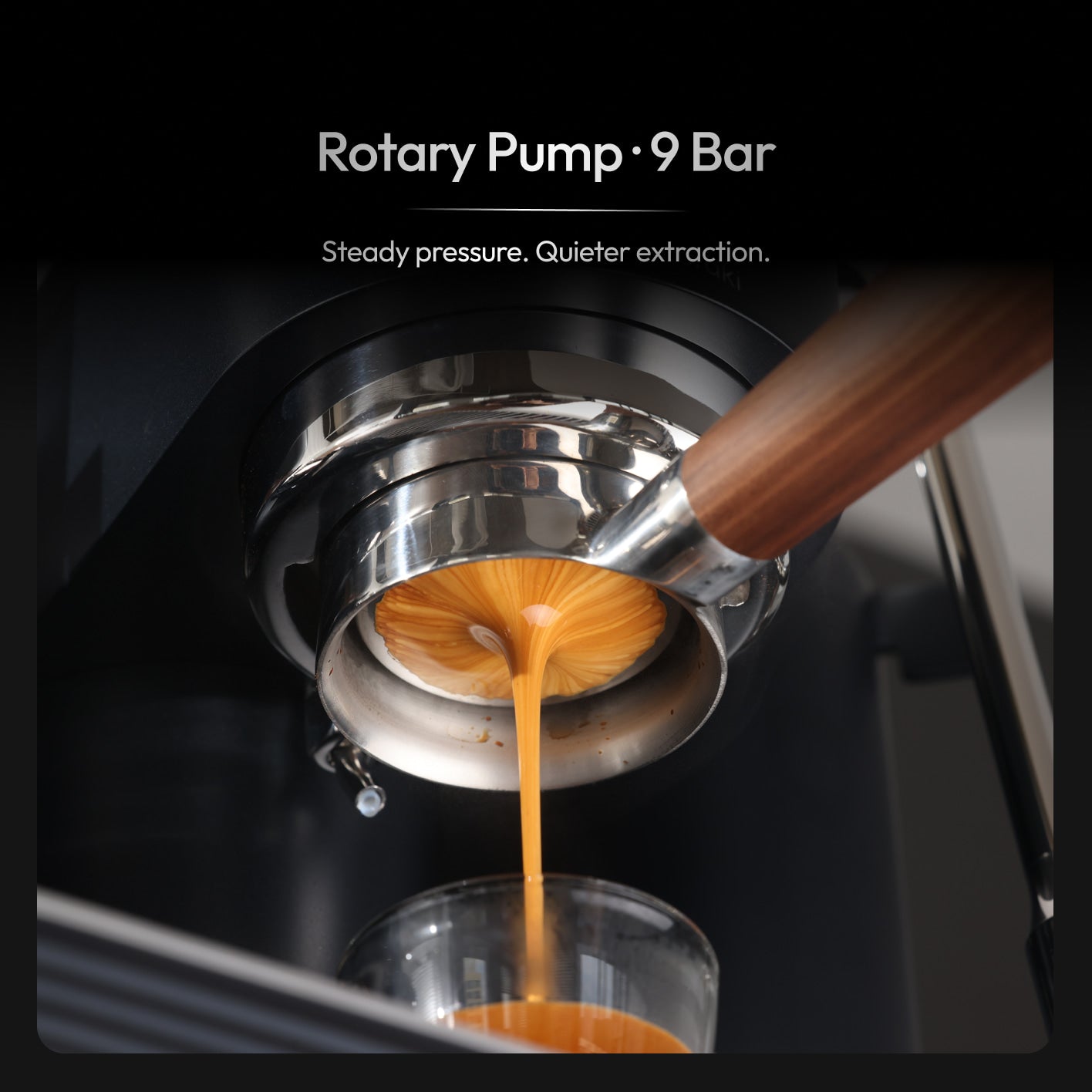
Expect fuller, sometimes rustic cups when timed well; expect harsh bitterness when cycles run long on a fine grind. Caffeine still depends on dose and brew—not the word percolator. Sensory: Coffee Review; caffeine literacy: NCA caffeine, Harvard caffeine.
How to brew at home
Use a coarser grind than espresso, fill water to marks, load the basket without packing like espresso, heat until percolation starts, then watch color and time instead of walking away for twenty minutes. Water quality still counts: CDC, EPA WaterSense.
Gear that changes results
Basket design, heat source steadiness, and grind uniformity change how fast extraction races ahead. A burr grinder set coarse beats a blade chop for evenness even in percolators. Beans: beans collection.
| Method | Water path | Pressure | Common failure |
|---|---|---|---|
| Percolator | Recirculating | Low / atmospheric | Over-extraction, bitterness |
| Drip | Usually single pass | Gravity | Hot-plate stewing; uneven saturation |
| Espresso | Single short pass | ~9 bar class | Channeling; wrong grind |
Common misconceptions
“Stronger means better.” “Percolators make espresso.” “Electric models cannot over-extract.” All false. Habit context: Harvard on coffee, Coffee & Health.
Meraki all-in-one angle
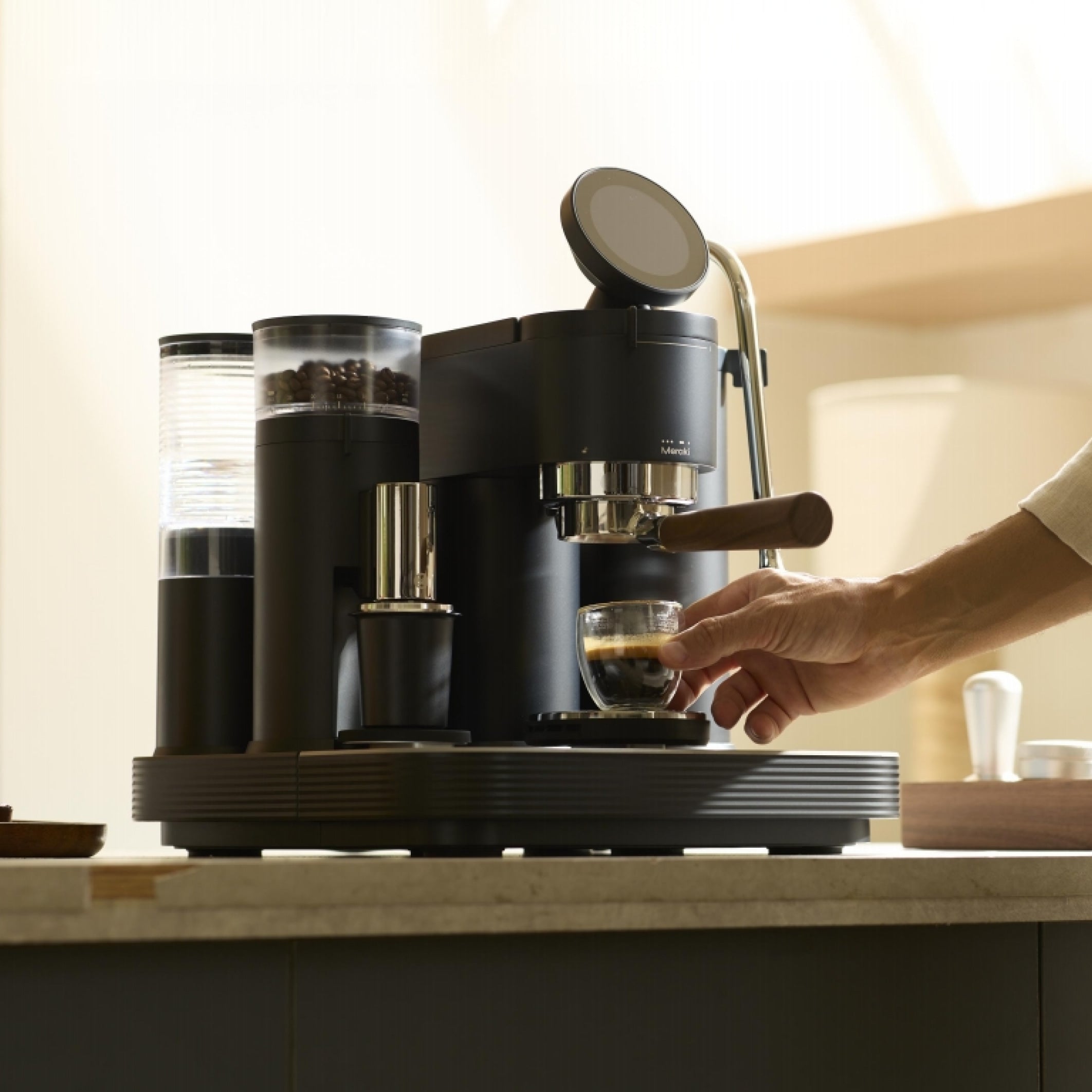
If you want controllable espresso and milk texture, a percolator is the wrong tool. Meraki’s dual-boiler, rotary-pump, scaled workflow is disclosed here as the espresso alternative—not a percolator replacement claim. See the Meraki espresso machine and accessories. Craft: Perfect Daily Grind.
Why percolators still matter to some kitchens
Camping, cabins, and nostalgia keep percolators alive. They brew a crowd-friendly pot without paper filters when you accept a heavier cup. Electric models plug into kitchens; stovetop models travel. Neither replaces espresso crema or microfoam. If your search for percolated coffee is really a search for café drinks, pivot early.
Nearby drink differences
Percolator coffee sits beside drip, French press, and moka in the “home pot” family. French press immerses and filters with a mesh screen; moka uses stove pressure above drip but far below espresso; percolators recirculate. Knowing the family resemblance prevents shopping for the wrong pressure class.
Taste checkpoints while brewing
Watch color through the knob if your pot has one; smell for sweetness turning toward ash; stop heat when the cup you sample tastes right, not when a timer of folklore expires. Coarser grind slows over-extraction. Finer grind races bitterness. Keep notes the first week so “strong” becomes a measurable dose and time, not a mood.
Electric vs stovetop in practice
Electric percolators reduce burner babysitting and often include keep-warm modes that can push extraction further if you forget them. Stovetop percolators demand active heat management and reward camping kits where outlets vanish. In both cases, park the pot off heat once the cup tastes right. Recirculation does not pause politely because you opened email.
Budget and when to walk away
Percolators are usually inexpensive compared with espresso machines. Spend on a sound seal, a stable base, and a basket that cleans easily. Walk away when the purchase is a proxy for wanting café milk drinks—those need steam and pressure. Compare ownership honestly against drip if your only goal is a weekday pot with less bitterness risk.
How to make percolated coffee without wrecking the cup
Start with a medium-coarse grind closer to drip than espresso. Fill water to the manufacturer marks so the tube can lift liquid properly. Do not tamp the basket like a portafilter—level the grounds lightly. Heat until percolation begins, then reduce to a steady cycle rather than a violent boil. Sample early. If the cup turns harsh, stop heat and pour off rather than “finishing the cycle” out of superstition.
Clean the tube and basket so oils do not season tomorrow’s pot with yesterday’s bitterness. Replace gaskets when steam escapes oddly. Store the pot dry. These boring habits change taste more than buying a second vintage percolator for the shelf.
Gear checklist for better percolator results
Burr grinder for even coarse particles, scale for dose, filtered water suited to coffee, and a timer you actually watch. Optional: a ceramic mug for mid-brew tasting. Skip espresso baskets, nine-bar fantasies, and milk pitchers unless you also own a real steam wand elsewhere on the counter.
Percolator misconceptions worth retiring
Percolators do not make espresso, do not magically raise caffeine beyond dose physics, and do not forgive neglect. “Strong” often means harsh when cycles continue after optimal extraction. If you love the ritual, keep it—just time it. If you want café milk drinks, admit the tool mismatch early and save the percolator for camping pots of black coffee.
Paper filters are usually absent; expect more sediment than drip. That body can be charming or muddy depending on grind. Burr grinders set coarse remain the quiet upgrade. Blade grinders recreate the dust-and-boulder problem that makes recirculation even angrier. Rinse the stem tube; clogged tubes change flow and invite bitter surprises.
Compared with drip, percolators ask for more attention per pot. Compared with espresso, they ask for less pressure literacy and offer none of the milk-texture path. Place the method on that map and shopping gets calmer. Vintage styling is optional; clean gaskets are not.
Conclusion
Use a percolator when you accept recirculation and watch timing; choose drip for simpler single-pass pots; choose espresso when pressure and milk drinks define the cup.
Explore pressurized brewing on the Meraki espresso machine, or keep reading in coffee knowledge.
FAQ
How does a percolator work?
Heated water (or brew) rises through a tube into a basket of grounds and falls back into the pot, cycling repeatedly until you stop the heat. That recirculation is why percolators can over-extract if left on too long.
Is percolated coffee stronger?
It often tastes harsher or more extracted, which people call “strong,” but that is not the same as higher caffeine by magic. Strength tracks dose, grind, time, and how many cycles you allow.
Percolator vs drip?
Drip usually passes water through grounds once; percolators recirculate. Drip is easier to keep from stewing; percolators reward attention and a coarser grind.
Can percolators make espresso?
No. Espresso needs fine grounds and high pressure for a short extraction. Percolators are a gravity/steam-lift recirculation brew, not a nine-bar shot.
Electric vs stovetop percolator?
Electric units automate heat; stovetop units need burner control. Both can over-extract if cycles run long. Choose based on camping vs kitchen outlets, not myths about automatic perfection.


