


Cost structure first: the sticker on an automatic espresso machine is only the deposit. Add milk-system cleaners, descaling, bean waste during hopper transitions, and the minutes you will spend on rinse cycles. Failure scene: a month of skipping carafe rinses turns “one-touch latte” into a sour plumbing project.
This buying guide separates fully automatic / super-automatic bean-to-cup machines from coffee pod machines and from semi-automatic control. Meraki contrast reading: semi vs super vs all-in-one prosumer.
Who should buy an automatic / super-automatic
Households that value speed and repeatable button drinks over dial-in hobbies.
Skip super-auto if you want to learn puck prep, chase light-roast dialing, or texture milk with a wand for art.
Buyers (and office managers) who need guest-proof operation often land here. Literacy: NCA, SCA.
Must-haves vs nice-to-haves
Must: reliable burr grinding inside the unit (for bean-to-cup), clear milk-cleaning instructions, descaling support, and drink recipes that match what you actually order. Nice: color screens, dozens of novelty recipes, furniture-matching panels. Education: SCA education.
Ask how the machine handles strength and volume adjustments. If every drink tastes identical and muddy, convenience is not free.
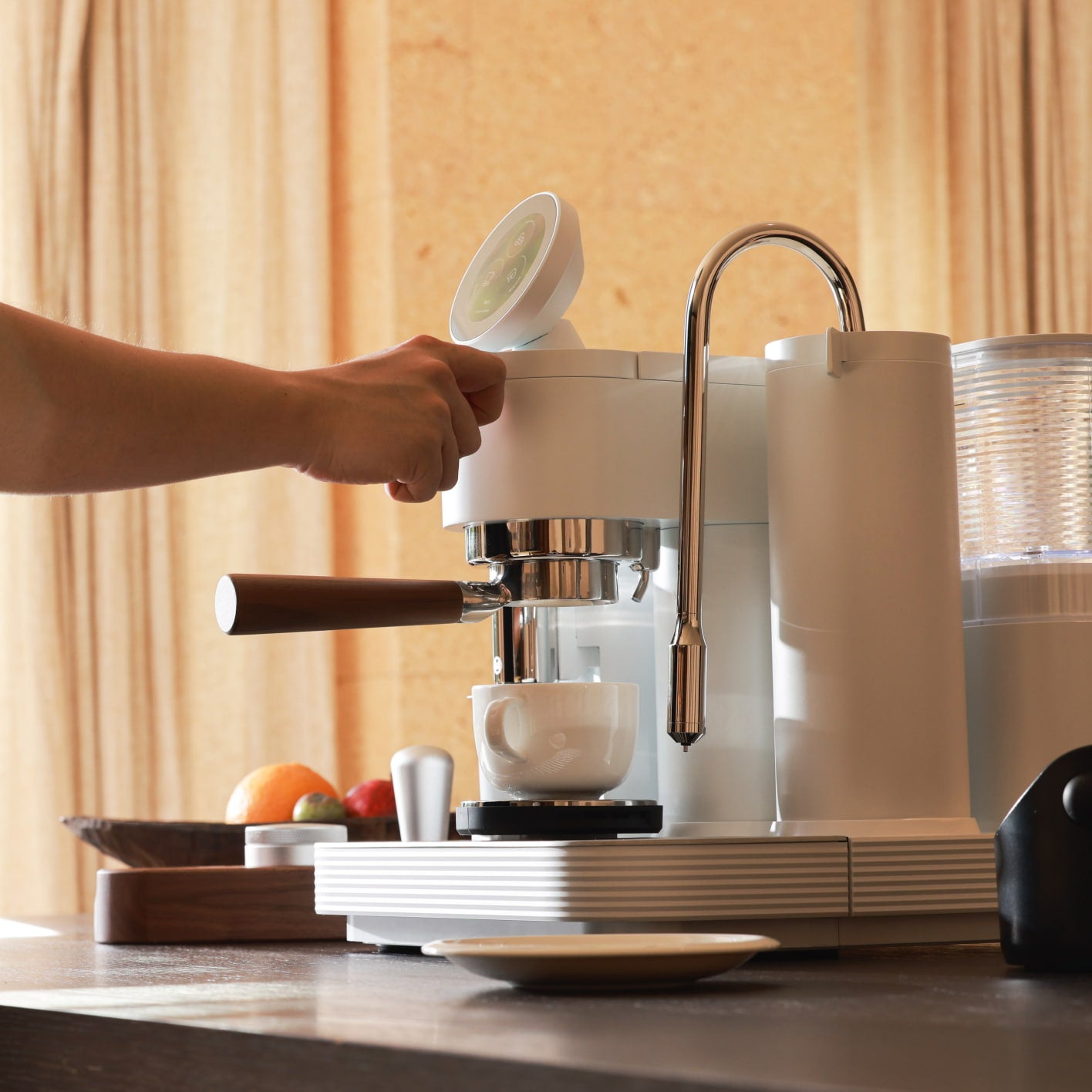
Milk system and maintenance reality
Automatic milk paths hide tubes and carafes that need rinsing while residue is still fresh. Budget detergent and time. Wand-based machines need wiping too—but the failure mode is more visible. Ownership cost tables that ignore milk hygiene undercount super-auto reality. Water: CDC, EPA WaterSense.
Descaling still applies. Hopper oils still migrate. “Automatic” never meant “maintenance-free.”
Budget tiers and ownership cost
Entry automatic coffee machines look affordable until cleaners and capsules/pods (if that is your lane) stack up. Mid super-autos add better grinders and milk systems. Higher tiers polish convenience further. Compare five-year consumables, not only day-one price. Habit context: Harvard on coffee; beans if you stay bean-to-cup: beans collection.
Automatic vs semi vs capsule
| Class | How it brews | Control | Watch-outs |
|---|---|---|---|
| Super-automatic (bean-to-cup) | Internal grind + auto brew | Low | Milk-path cleaning; flavor ceiling |
| Semi-automatic | You prep puck; pump brews | High | Learning time |
| Capsule / coffee pod machine | Sealed pod | Very low | Pod cost/waste; less dial-in |
| Measured all-in-one | Guided grind/brew/steam | Guided high | Evaluate integrated grind quality |
Search terms like automatic coffee machines, coffee pod machine, and machine coffee capsule often collide on SERPs—keep the classes distinct so you buy the ritual you want.
Where Meraki fits instead
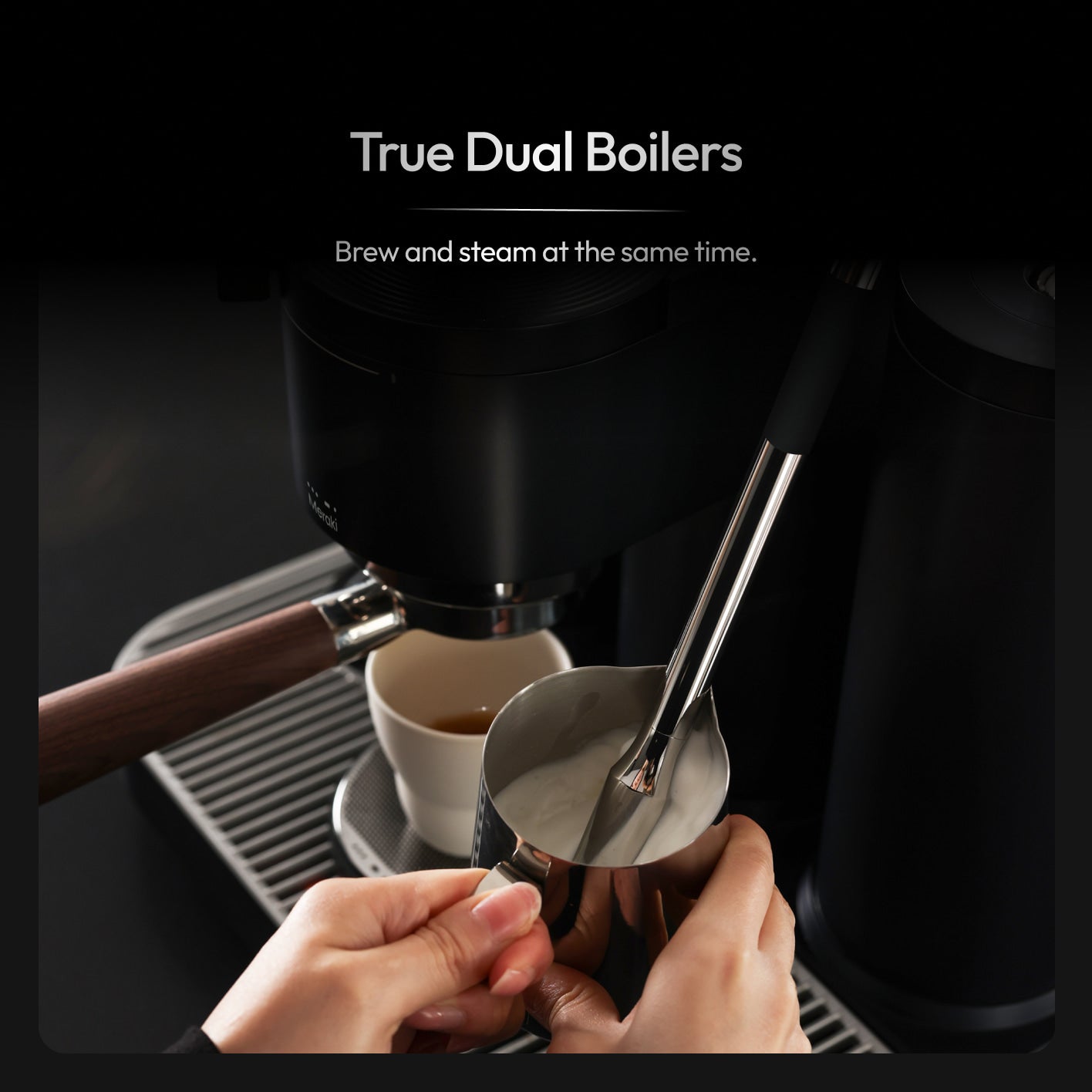
Choose Meraki when you want dual-boiler milk drinks, visible scales, and a guided semi-style craft path without a super-auto’s opaque brew unit. Disclosure: Meraki is not a super-automatic; it is an all-in-one prosumer alternative for buyers exiting capsule or super-auto convenience who still want speed relative to a bare dual-box café stack. View the Meraki espresso machine. Accessories: collection. Guides: machine guides. Sensory: Coffee Review; composition: Coffee & Health; craft: Perfect Daily Grind; caffeine: NCA caffeine.
Kitchen constraints
Super-autos can be tall (hopper clearance) and deep. Pod machines are smaller but create pod storage clutter. Measure before you commit. Noise during grinding wakes households either way.
Buyer checklist
Bean-to-cup or pods? Milk system cleaning acceptable? Drink menu match? Counter height OK? Willingness to descale? If you answered “I want control,” leave this aisle for semi or Meraki-style all-in-one.
Mistakes to avoid
Skipping milk rinses. Expecting latte-art wand control from a carafe. Comparing pod prices only to bean bags without including machine differences. Buying automatic coffee machine marketing that hides cleaning time. Rebuttal: “automatic means no work” is false—work shifts to hygiene and hoppers.
Depth: office and guest workflows
Offices like super-autos because training is short. Assign a cleaning owner anyway. Guests smash buttons; they will not backflush. If your home hosts both enthusiasts and button-only visitors, a guided all-in-one with clear presets can split the difference better than a fragile naked semi.
Pod machines remain valid for travel kitchens and ultra-simple corners—just label them honestly as capsule systems when you compare “espresso.” Waste and per-drink cost belong on the same page as convenience.
Flavor ceiling debates online are noisy; run a two-week home test if a retailer allows returns, and score drinks you actually order, not Instagram pours you never make.
Total cost of automatic convenience
Map a year: machine price amortized, milk cleaners, descalers, filters if any, beans or pods, and estimated cleaning minutes at your wage-equivalent. Super-autos often win on morning seconds and lose on hidden hygiene minutes. Pod systems win on training and lose on per-drink cost and waste.
Flavor ceiling is not binary. Many households love super-auto drinks. Enthusiasts who chase light-roast clarity usually do not. Be honest about which group you are funding.
When leaving automatic coffee machines for more control, do not jump to a naked lever on day one unless ritual is the point. A guided dual-boiler all-in-one can be the bridge: visible weighing, real steam wand, less opaque than a full super-auto brew unit. That is Meraki’s invitation on the product page—disclosed as such.
Office policy tip: post a one-page rinse checklist above the machine. Automatic fails socially when nobody owns the carafe.
Capsule vs bean-to-cup again: capsules simplify inventory; bean-to-cup rewards fresher grinding if you clean the burr path. Do not compare them only on “espresso” branding.
If microfoam art is on your vision board, automatic milk carafes will frustrate you. Budget a wand machine instead and accept practice.
Decision tree: stay automatic or leave
Stay automatic if your household ranks speed and guest independence above dial-in hobbies, and if someone will own milk rinses. Leave automatic if you keep wishing drinks tasted clearer, if you want wand microfoam, or if opaque brew units frustrate your inner tinkerer.
Leaving does not require shame. Capsule and super-auto years teach drink preferences; those preferences inform the next machine. Bring your drink list to the next shop: two oat lattes, one americano, one straight shot. Score candidates against that list only.
Bean-to-cup automatics need hopper discipline: finish a blend before switching to a delicate light roast, or accept purge waste. Pod machines need storage plans and recycling honesty where available. Both need descaling. Neither is “set forever.”
Cost rebuttal: the cheapest automatic is not cheapest if it pushes you back to the café four days a week. Include café spend avoided—or not—in the year-one math.
Meraki as destination: dual boilers, TIMEMORE co-developed grinding, built-in scales, guided steps. It asks for more attention than a super-auto and less assembly than a separate café stack. Disclosed product path for buyers exiting automatic convenience without going full lever monk.
Milk-path ownership chart
Assign names: who rinses the carafe after breakfast, who runs the weekly milk clean cycle, who descales monthly. Unassigned chores become nobody’s chores. Automatic espresso machine happiness correlates with named owners more than with recipe-count marketing.
If you cannot name owners, either pick a wand machine where mess is visible or accept café spending. Visibility beats denial.
Pod systems shift ownership to inventory and recycling. Bean-to-cup shifts ownership to hoppers and burr hygiene. Semi-style all-in-ones shift ownership to portafilters and wand wiping. Pick the chore style you will keep.
Conclusion
Buy automatic when convenience and guest-proofing beat control—and budget milk hygiene. Move to semi or measured all-in-one when taste dialing matters more than one-touch theater.
Compare a guided dual-boiler alternative on the Meraki espresso machine or read semi vs super vs all-in-one.
FAQ
What is a fully automatic espresso machine?
A fully automatic or super-automatic grinds beans (or uses a hopper), tamps or compresses internally, and brews at the push of a button. Many also automate milk frothing. You trade puck-prep control for speed.
Super-automatic vs semi-automatic?
Super-automatics minimize steps and decision points. Semi-automatics leave grind, distribution, tamp, and shot stopping to you. Choose super-auto for convenience; choose semi or measured all-in-one when taste control and skill matter more.
Are coffee pod machines “automatic espresso”?
Pod or capsule machines are automatic in the convenience sense but use sealed capsules instead of a bean hopper and internal burr set. They sit adjacent in search results; treat them as a separate convenience class when comparing flavor control and waste.
How much cleaning do milk systems need?
Automated milk carafes and tubes need frequent rinses and periodic deeper cleans—often daily quick rinses plus scheduled detergent cycles. Skipping milk-path cleaning is the fastest way to off flavors and clogs.
Can super-autos make cafe-quality microfoam?
Some produce pleasant foam for everyday drinks; few match a skilled wand on a dual-boiler semi for latte art control. If microfoam craft is the goal, prefer a steam wand workflow.
More on this topic: Espresso Machine Types & Upgrades.


