


Compare two stations: a Pinterest shelf of unused pourers versus a tight triangle that makes five drinks on autopilot. Counterintuitive ops take: coffee savings show up when recipes are boringly repeatable, not when the backsplash is marble. This guide owns drinks you will remake weekly, station flow, storage, and honest savings framing—not thirty decor photos.
Recipe hub: best coffee recipes for home; coffee recipes.
Overview: recipes, station, savings
Pick a short menu, arrange tools in cook’s order, store beans so they stay tasty, and count café trips you actually replace.
Expand syrups only after the base drinks land.
Espresso coffee machine workflows reward mise en place. Literacy: NCA, SCA.
Who this is for
Home baristas building a used station, gift-givers stocking useful tools, and households trying to cut weekday café runs without miserable coffee.
Skip maximalist bars if counter space is already a negotiation.
Core drink recipes (weekly cards)
Espresso: dose to basket, yield ~1:2, taste. Americano: espresso plus hot water. Latte: espresso + ~5–8 oz microfoam milk. Cappuccino: espresso + thicker foam, smaller cup. Flat white: espresso + silky microfoam, less foam cap. Mocha: espresso + cocoa + milk. Iced versions: cool components over ice without drowning shots. Education: SCA education. More ideas: home recipes.
Station workflow layout
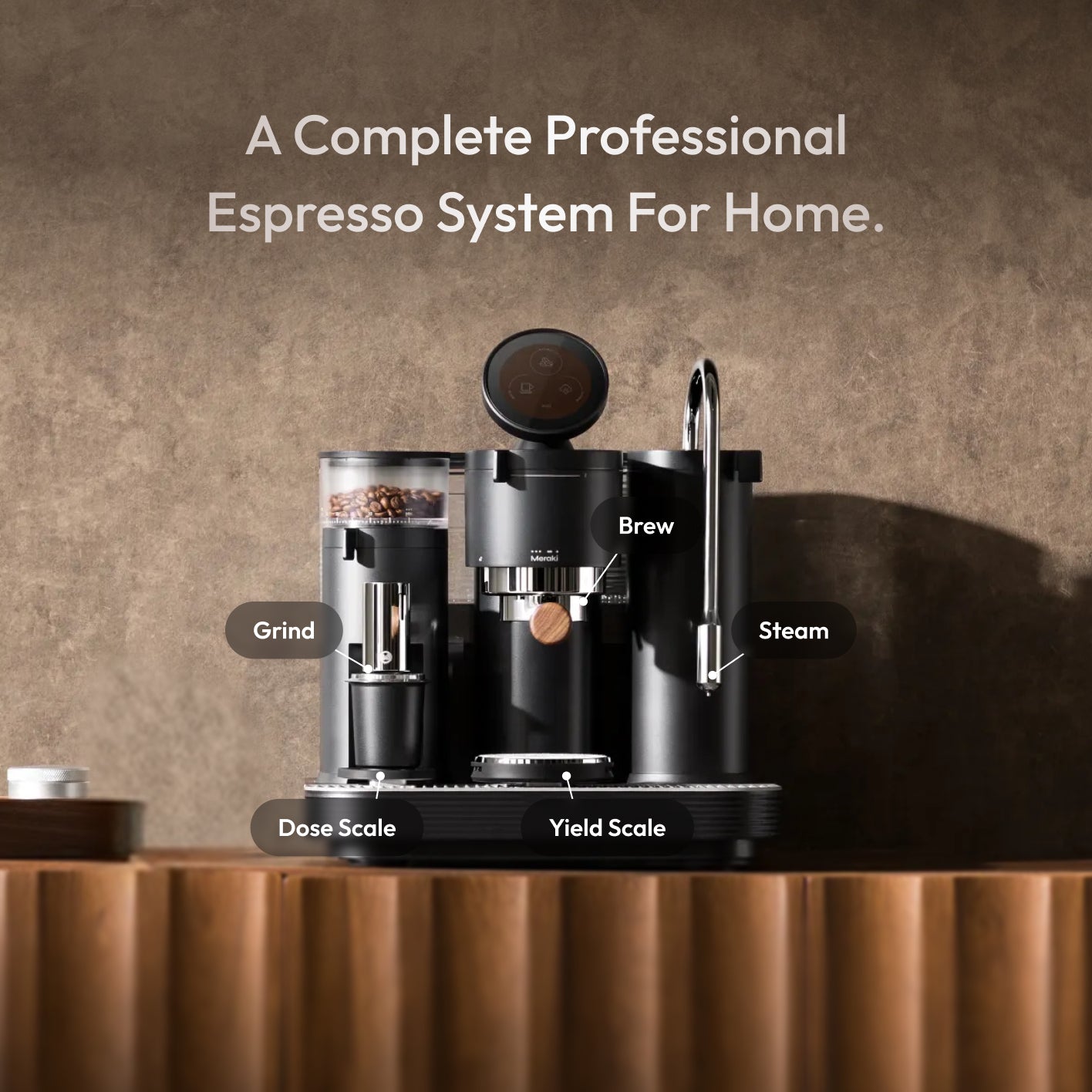
Left to right or in a triangle: beans/grinder → machine → knock box → pitcher/steam zone → cups. Towels under the wand. Syrups off the heat path. This is coffee station ideas as logistics, not wallpaper. Accessories: collection. Craft: Perfect Daily Grind.
| Zone | Tools | Rule |
|---|---|---|
| Grind | Hopper or dose cup, brush | Purge when beans change |
| Brew | Machine, portafilter, scale | Weigh what you can |
| Knock | Knock box | Empty daily |
| Milk | Pitcher, thermometer optional | Wipe wand always |
| Serve | Cups, spoons | Match cup to recipe |
Gear recommendations
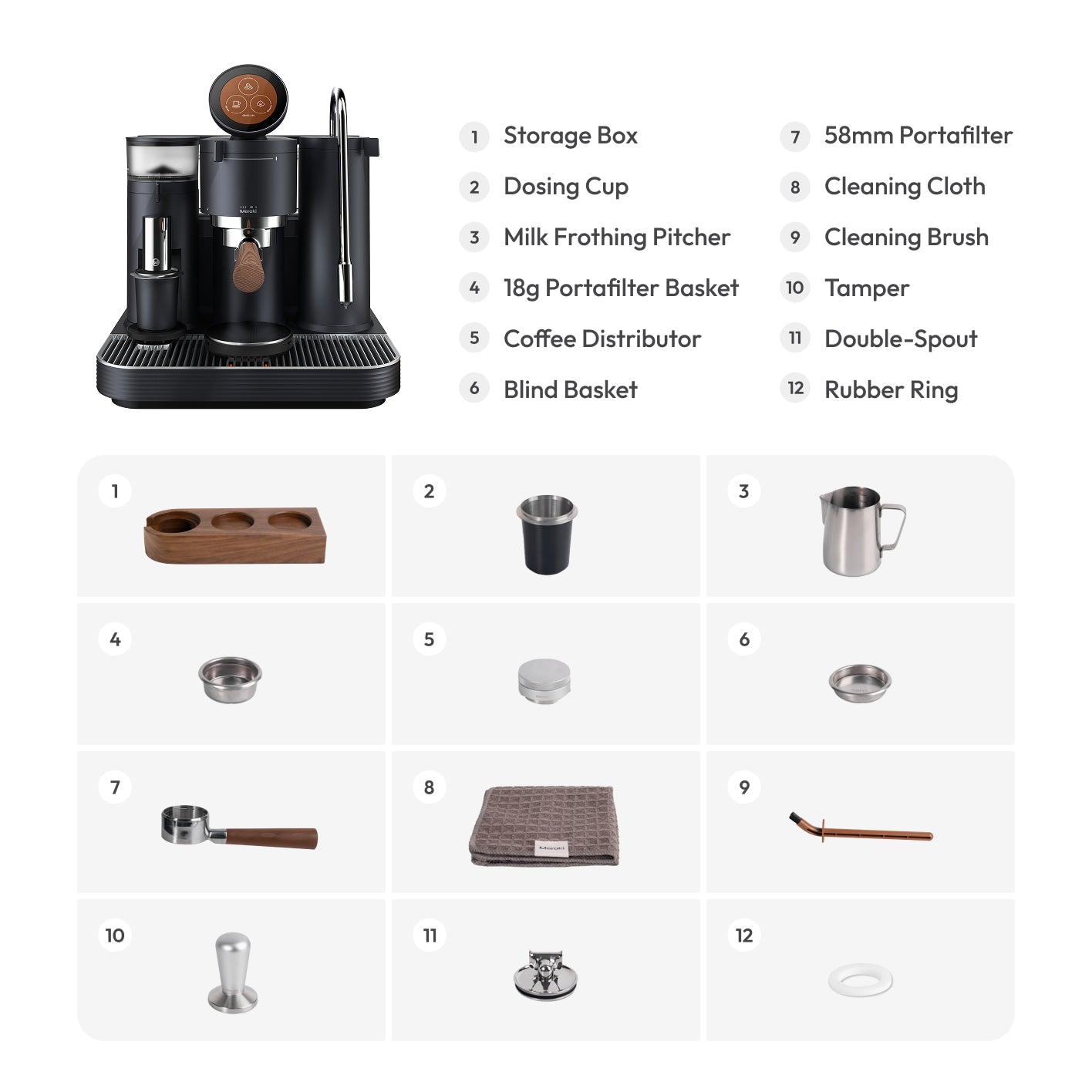
Prioritize espresso-capable grinding, stable brew/steam, scale, knock box, stainless pitcher. Nice: shot mirrors, WDT, puck screens. Decor trays are optional. Product path: Meraki espresso machine. Water: CDC, EPA WaterSense.
Parameter table
| Drink | Espresso | Milk / water |
|---|---|---|
| Espresso | ~1:2 yield start | — |
| Americano | 1–2 shots | Hot water to taste |
| Latte | 1–2 shots | ~5–8 oz microfoam |
| Cappuccino | 1–2 shots | Less milk, thicker foam |
| Flat white | 1–2 shots | Silky microfoam, small cup |
Sensory: Coffee Review. Steaming detail: steam milk guide.
Pitfalls
Buying station decor before a knock box. Twelve syrups, zero dialed espresso. Storing beans over the boiler. Skipping wand wipes. Big Face Coffee style novelty searches are fine for fun—just do not let novelty replace workflow.
Savings and bean storage
Coffee savings appear when home drinks replace paid ones you truly would have bought. Track two weeks of café receipts versus bean/milk costs without inventing national averages. Store beans airtight and cool; finish bags while flavors live. Beans: collection. Habits: Harvard on coffee, Coffee & Health; caffeine: NCA.
Where Meraki fits
Meraki anchors the station as grind+brew+steam+scale in one footprint with dual boilers and guided workflow—disclosed brand fit for home bars that want café drinks without five separate appliances. Product: Meraki espresso machine; guides: machine guides.
Next reads
Steaming, ratios, and accessory pages linked above keep this station guide from becoming an encyclopedia. Return here when the counter gets cluttered again.
Making the station survive real mornings
Label pitcher sizes, keep spare towels, and stage cups upside-down away from steam spray. Put a tiny clipboard with three house recipes at eye level. When guests ask for “the usual,” point to the card instead of improvising under pressure.
Home coffee bar decor can exist after workflow works. Plants that hate steam will teach you humility. Fair-lighting for latte art videos is optional; good drainage for knock-box empties is not.
Review the station monthly: discard unused syrups, descale on schedule, refresh bean stock, and retire gadgets that never leave the drawer. Coffee recipes that actually get used deserve counter priority over aspirational clutter. Savings follow that discipline more reliably than any coupon.
Rehearse the station empty-handed once: mime grind, lock, knock, steam, pour. Any stretch or collision you notice is a layout bug cheaper to fix than another unused accessory purchase.
Recipe cards worth laminating
Card A: weekday latte—dose, yield, milk ounces, pitcher size. Card B: weekend flat white—smaller milk, silkier foam. Card C: iced americano for hot months—shot onto ice plus water. Three cards beat thirty screenshots.
Station ideas that fail usually ignore trash and rinse paths. If the knock box is romantic but the compost bag is three rooms away, pucks will find the sink again. Design disposal first.
Bean storage near the station should avoid heat and sunlight. Opaque canisters with one-way valves or simply well-sealed bags in a cool cupboard beat decorative open bowls. Freeze only in portioned airtight packs if you buy far ahead—and thaw without condensation baths on the beans.
Savings tracking without fantasy math
List café drinks bought in fourteen days. List home bean and milk spend for the same window. Compare. If home gear sits idle, savings are negative regardless of theoretical latte prices. Habit change is the investment thesis; stainless trays are not.
Guest mode without losing the plot
Keep a guest pitcher and spare cups. Offer two defaults: black espresso and a house latte. Novelty drinks can wait until the host is caffeinated. A home coffee bar that humiliates the owner mid-brunch is bad hospitality.
Photograph your station once after a real morning, not a staged empty counter. Clutter hotspots in the photo are layout bugs. Fix those before buying another wooden riser.
Best way to store coffee beans remains airtight, cool, and promptly used. Coffee station ideas succeed when the knock box and pitcher live in the reach path. Coffee savings follow recipes you repeat, not shelves you photograph once.
Conclusion
Build a short drink menu, arrange a grind-to-knock triangle, store beans like perishables, and let savings follow habits—not shelf styling alone.
Center the bar on the Meraki espresso machine and keep cooking from coffee recipes.
FAQ
What drinks can I make with an espresso machine at home?
Espresso, americano, latte, cappuccino, flat white, mocha, and many iced variants once you can pull a shot and steam milk. Start with three house recipes before collecting syrups.
How to set up a coffee station?
Place grind → machine → knock box → milk pitcher zone in one triangle, with cups and towels in reach. Keep beans sealed nearby, not above a hot machine.
How to store coffee beans?
Airtight, cool, opaque containers; buy amounts you will finish while fresh. Avoid the fridge for daily bags; freeze only with careful portioning if you must.
Does a home setup save money?
It can versus daily café milk drinks when you account for drinks you actually make—not theoretical ones. Factor beans, milk, descaling, and time. Exact dollars vary by city and habit.
What belongs on a home coffee bar?
Machine, grinder (integrated or separate), scale, knock box, pitcher, towels, cups, and a small recipe card. Decor is optional; workflow is not.


