


Checklist before another sink-knock morning: (1) portafilter clearance, (2) bin volume for your shot count, (3) bar material that survives daily hits, (4) empty-and-wash habit you will keep. Case contrast: Barista A hammers pucks into a thin trash bag that leaks slurry across the floor; Barista B uses a sized knock box, empties once, and the station stays usable between drinks.
This buying guide owns knock-box workflow and cleanup. Portafilter theory stays in the portafilter guide; related reading: knock boxes sizes and workflow.
Who should buy a knock box
Anyone knocking espresso pucks more than a few times a week at home.
Skip a large café-scale bin if you travel light and already compost sealed pucks cleanly.
Home café builders usually want the box within one pivot of the group head. Literacy: NCA, SCA.
Must-have specs vs nice-to-haves
Must: opening that fits your portafilter, durable knock bar (often rubber-sleeved steel), stable base or secure drawer fit, and a removable bin you will wash. Nice: designer wood sleeves, huge capacities, chutes into trash cans. Education: SCA education.
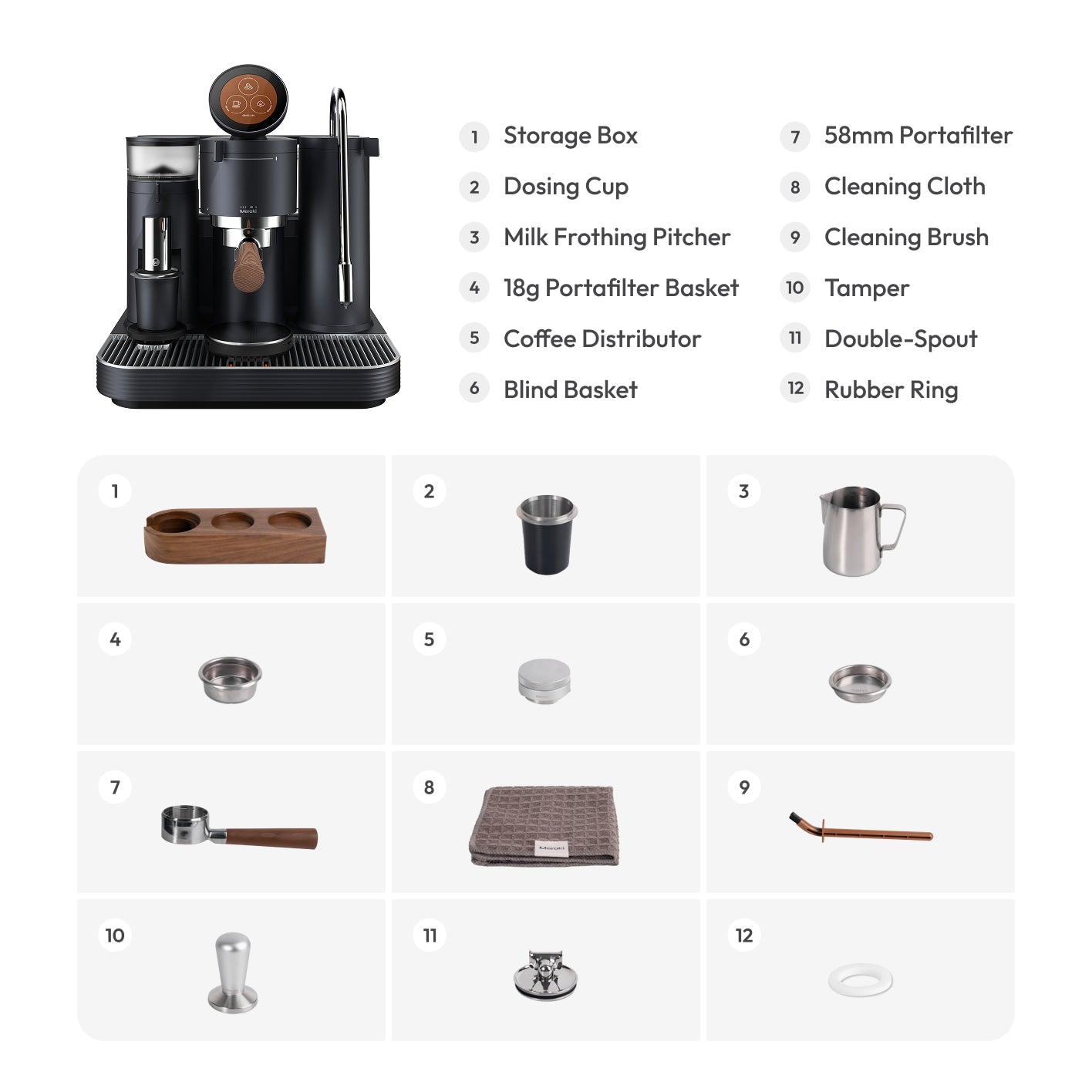
Size, material, and durability comparison
| Choice | Best for | Watch-out |
|---|---|---|
| Mini countertop | 1–2 drinks/day | Overflows on brunch days |
| Standard countertop | Most home bars | Needs a clear landing zone |
| Drawer / under-cabinet | Tight counters | Install constraints; empty cadence |
| Metal bin + rubber bar | Daily abuse | Noise; wipe fingerprints |
| Plastic-heavy builds | Budget | Bar wear; odor retention |
For 58 mm portafilters, confirm the mouth accepts a slight knock angle without scraping ears. Craft media: Perfect Daily Grind.
Kitchen footprint: drawer vs countertop vs built-in
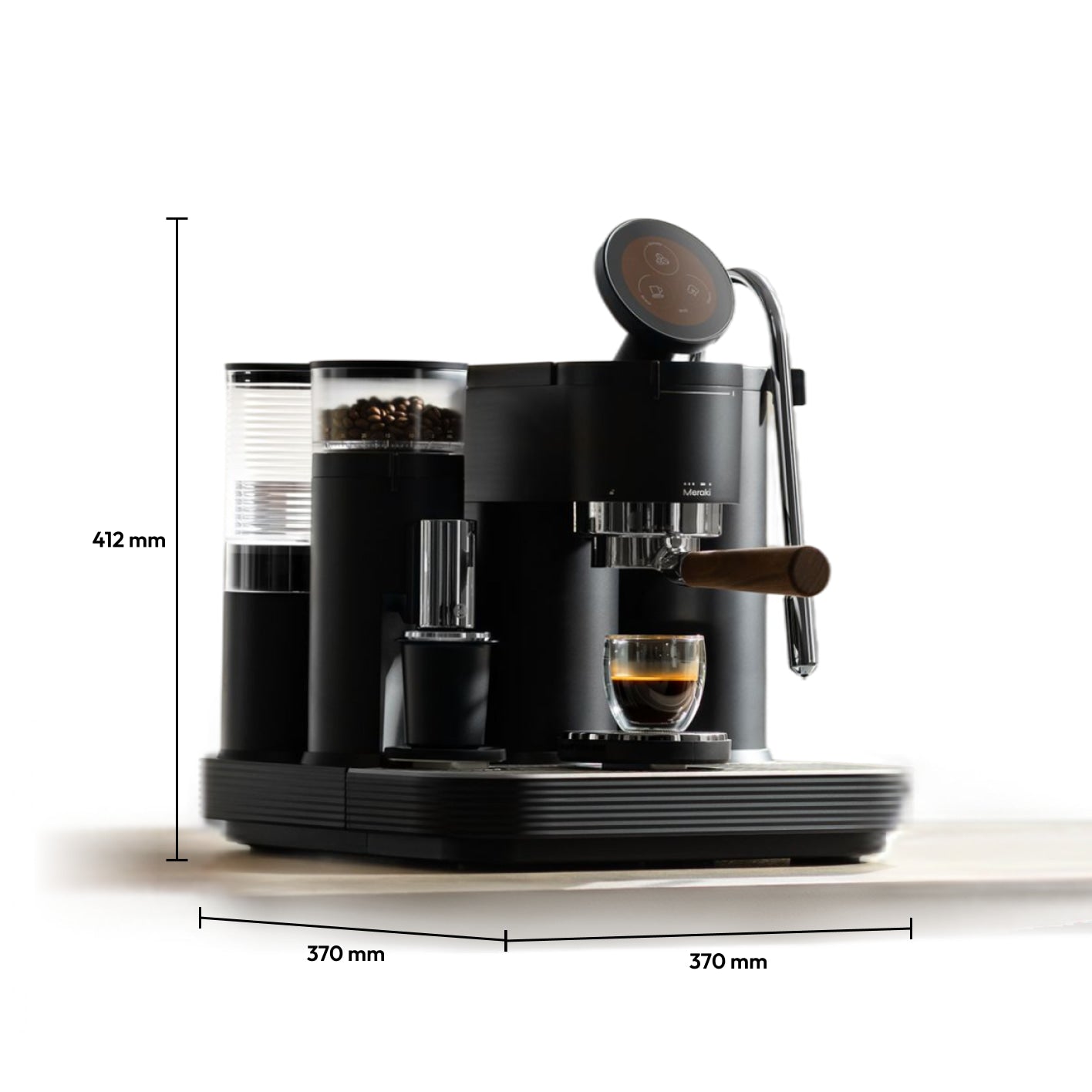
Countertop boxes move and empty fast. Drawer boxes reclaim visual space when cabinet depth works. True built-ins are rare at home and usually overkill. Measure the landing zone the same way you measure machine width. Product footprint reference: Meraki espresso machine.
Workflow and technique tips
Use controlled taps on the bar, not rage swings that crack plastic. Slightly drier pucks knock cleaner than soup. Empty before overnight sour smells set. Keep the box close enough that mid-rush laziness does not send you back to the trash. Water/hygiene context: CDC, EPA WaterSense.
Buyer checklist
Fits portafilter? Bar durable? Bin removable and washable? Odor plan? Placement within one step of the group? Path into the accessories collection clear?
Budget tiers and ownership cost
Entry boxes are small and plastic-prone. Mid metal bins with solid bars last years. Premium wood-sleeved units buy aesthetics—still wash the insert. Ownership cost is mostly cleaning time and occasional bar replacement, not exotic consumables. Habit: Harvard on coffee; composition: Coffee & Health.
Where Meraki fits
Meraki offers knock-box and station tools alongside the machine so puck disposal matches the 58 mm workflow. Disclosure: brand accessories, not an independent multi-brand lab ranking. Browse espresso machine accessories; more in machine guides. Sensory: Coffee Review. Beans: beans collection.
Mistakes to avoid
Knocking into the sink drain. Oversized bins that never get washed. Soft bars that tear in a month. Placing the box so far away you still use the trash mid-rush. Leaving wet pucks for days until the kitchen smells like a compost dare.
Odor control and wet-puck realities
Wet espresso pucks ferment. Emptying once per busy day is hygiene, not fussiness. Rinse the bin with hot water, occasional mild detergent, and dry before the next shift. Rubber bars can be wiped; replace them when cracks collect fines. If odors persist, check seals and corners with a bottle brush instead of masking with fragrance sprays near the coffee bar.
Composting spent grounds is fine when local rules allow; bag wet pucks so they do not soak cardboard. Never rinse pounds of fines into a sink that hates coffee silt. The knock box exists partly to protect plumbing and trash bags from becoming secondary brew equipment.
Station layout with knock box in the path
Ideal triangle: grinder or hopper → group → knock box → rinse pitcher zone. If the box lives behind the knife block, you will not use it. Counter depth for the machine plus a box in front can block drawers—measure. Drawer knock boxes reclaim the visual field when cabinetry cooperates. Keep a towel on the bar area so espresso spatters do not stain wood sleeves.
Buying without turning cleanup into a hobby project
Prioritize a removable bin and a bar you can wash. Wood sleeves look lovely until milk and espresso freckles set in—wipe them. If noise bothers early households, rubber mass on the bar helps, but technique still matters more than silence marketing. Measure the portafilter approach angle with the machine in its real spot; photos in stores hide cabinet collisions.
Households with kids should empty pucks before curious hands explore sticky bins. Households with compost goals should stage a sealed transfer container so the knock box itself stays rinsed. Shared offices need a posted empty schedule or the box becomes a science experiment by Thursday.
If budget is tight, a simple metal can with a sturdy bar outperforms a decorative unit you fear scratching. Upgrade aesthetics later. Workflow first is the whole point of an espresso knock box.
Material durability beyond the product photo
Powder-coated exteriors chip where portafilters strike; plan the knock angle. Stainless interiors resist odor better than porous plastics. Rubber feet stop migration across stone counters during enthusiastic knocks. If a box lacks feet, add inexpensive pads before you scar the counter and blame espresso.
Capacity planning: count weekend shots, not Tuesday minimalism. A bin that overflows during guests creates sink temptation again. Emptying mid-brunch is fine; designing for overflow is kinder.
Empty the knock box before overnight rest, rinse the bar, and restock towels so the next morning starts at the group—not at the sink. A clean bin is part of espresso mise en place, equal to purged wands and dry baskets. Teach guests the knock path once; shared stations fail when only one person knows where pucks go.
Choose durability over decor for the knock bar itself; sleeves can be pretty after the bin design is washable. Teach every housemate the empty schedule so odors never become a mystery.
Conclusion
Buy a knock box sized to your portafilter and shot volume, park it in the workflow path, and wash it like cookware—cleanup is the product.
Complete the station with the accessories collection and the Meraki espresso machine.
FAQ
Do I need a knock box at home?
If you pull espresso regularly, yes for sanity: it keeps spent pucks out of sinks and trash bags that smear. Low-volume travelers can improvise, but a dedicated box is cleaner and faster.
What size knock box for 58 mm?
Choose a mouth wide enough for your portafilter to enter at a slight angle and a depth that holds a day’s pucks without overflow. Mini boxes suit light use; larger bins suit busy milk-drink mornings.
Drawer vs countertop knock box?
Drawer units hide mess and free counter space if your cabinet layout allows; countertop units move anywhere and empty easily. Pick based on install constraints and how often you empty.
How do I clean a knock box?
Empty pucks daily or when full, rinse the bin, wash the bar and seals, and dry to limit odors. Avoid letting wet pucks ferment for days.
Can I knock into the trash instead?
You can, but sticky fines, broken bags, and sink clogs are why knock boxes exist. A rubber bar also protects portafilter ears over time.


