


Implementation path for switching evenings to decaf: pick a process you trust on the bag → buy fresh → dial grind on your espresso gear → taste without expecting zero caffeine theater. Key numbers: commercial decaf still typically retains a small residual caffeine fraction—enough that ultra-sensitive drinkers should read labels rather than assume absolute zero.
This explainer owns definitions, processes, and espresso expectations. Related Meraki reading: how decaf coffee is made; hub coffee knowledge.
What decaf means
Decaf coffee is green coffee with most caffeine removed before roasting.
It is still coffee—oils, acids, and aromatics remain in different balances.
“Decaf meaning” in cafés is low-caffeine coffee, not herbal tea. Literacy: NCA, SCA.
Why people choose it
Evening espresso rituals, caffeine sensitivity, or stacking limits after daytime coffee. Some simply prefer the flavor of a particular decaf lot. Health decisions beyond ordinary preference belong with clinicians—this page stays culinary and technical. Context: Harvard caffeine, FDA caffeine, Mayo Clinic.
Process comparison table
| Process | Rough idea | Home buyer note |
|---|---|---|
| Swiss Water | Water + carbon filters; solvent-free marketing focus | Common specialty label; still verify freshness |
| CO₂ | Pressurized carbon dioxide extracts caffeine | Often gentle on flavor when well done |
| Solvent-based | Approved solvents remove caffeine; beans washed/roasted after | Widely used; quality varies by producer |
Education: SCA education. Sensory language: Coffee Review.
Residual caffeine honesty
Regulations and industry practice aim for large caffeine reductions, not mystical erasure. A decaf espresso evening can still include a little stimulant. Sensitive sleepers should treat multiple decaf doubles as additive. Numbers vary by cup size and lot—bag info beats folklore. Caffeine literacy: NCA caffeine.
Taste, body, and espresso notes
Good decaf can be chocolatey, nutty, or gently fruity depending on origin and roast. Stale decaf tastes papery and confirms old stereotypes. For espresso, start with your usual dose/yield window and nudge grind. Milk drinks are forgiving; straight shots reveal freshness fast. Water: CDC, EPA WaterSense.
Home workflow on an espresso machine
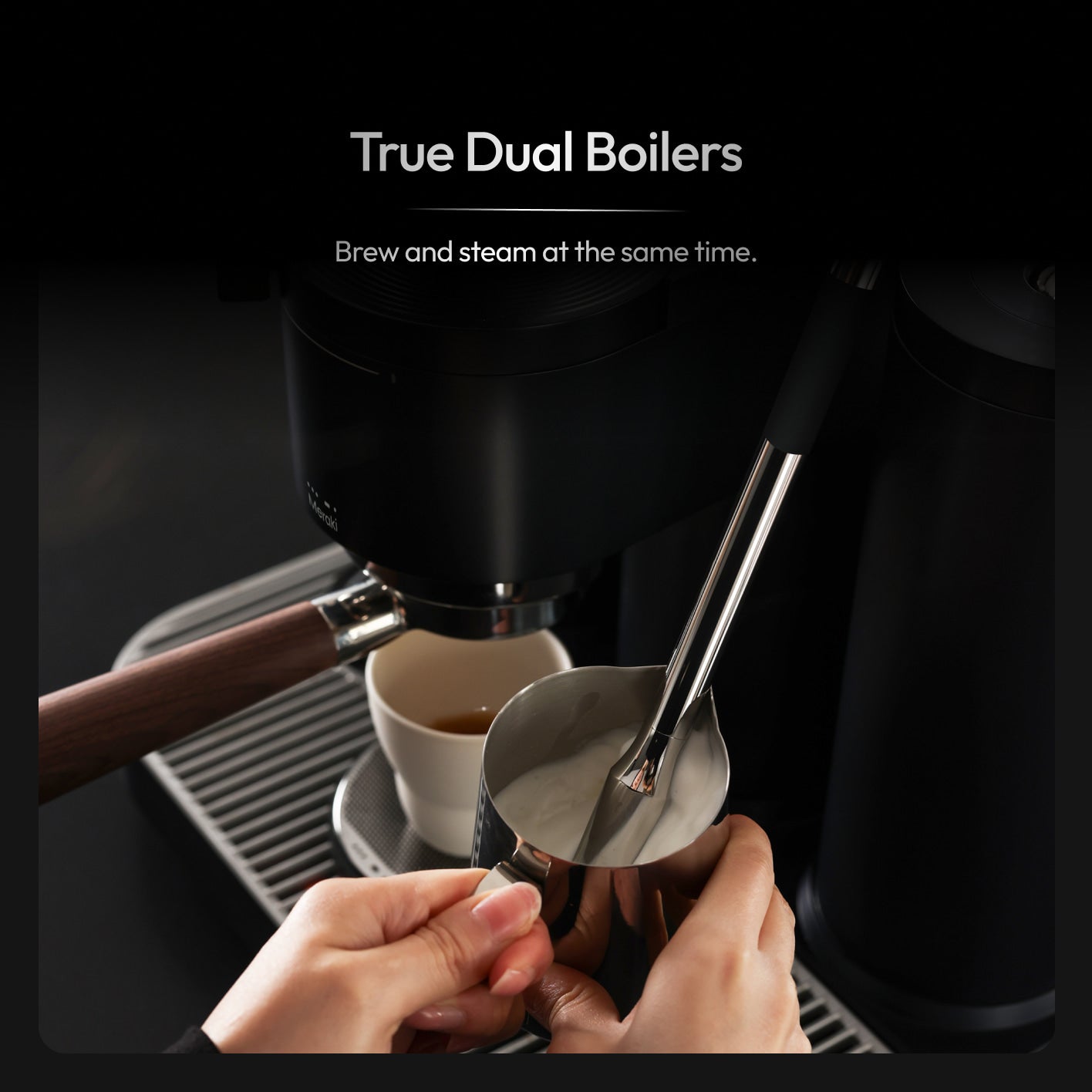
Purge residual caffeinated grounds from the grinder when switching, weigh dose, and keep notes. Dual boilers do not care whether caffeine is present—temperature stability still helps. Browse beans including decaf-capable roasters via the beans collection when stocked.
Misconceptions
Decaf is caffeine-free. Decaf cannot make crema. Decaf is always low-acid. Swiss Water is the only “real” method. All false or oversimplified. Habit: Harvard on coffee, Coffee & Health.
Where Meraki fits
Meraki’s measured all-in-one path—burr grinder, dual scales, dual boilers, steam—handles decaf espresso and milk drinks with the same workflow as caffeinated lots. Disclosure: brand equipment example. Product: Meraki espresso machine; accessories: collection; deeper process notes: Swiss Water and beyond. Craft: Perfect Daily Grind.
Buying freshness checklist
Roast date visible? Process named? Bag valve and storage plan ready? Grinder purge planned when switching from flavored or oily caffeinated beans? Evening serving size honest about residual caffeine?
Depth: espresso dial-in differences
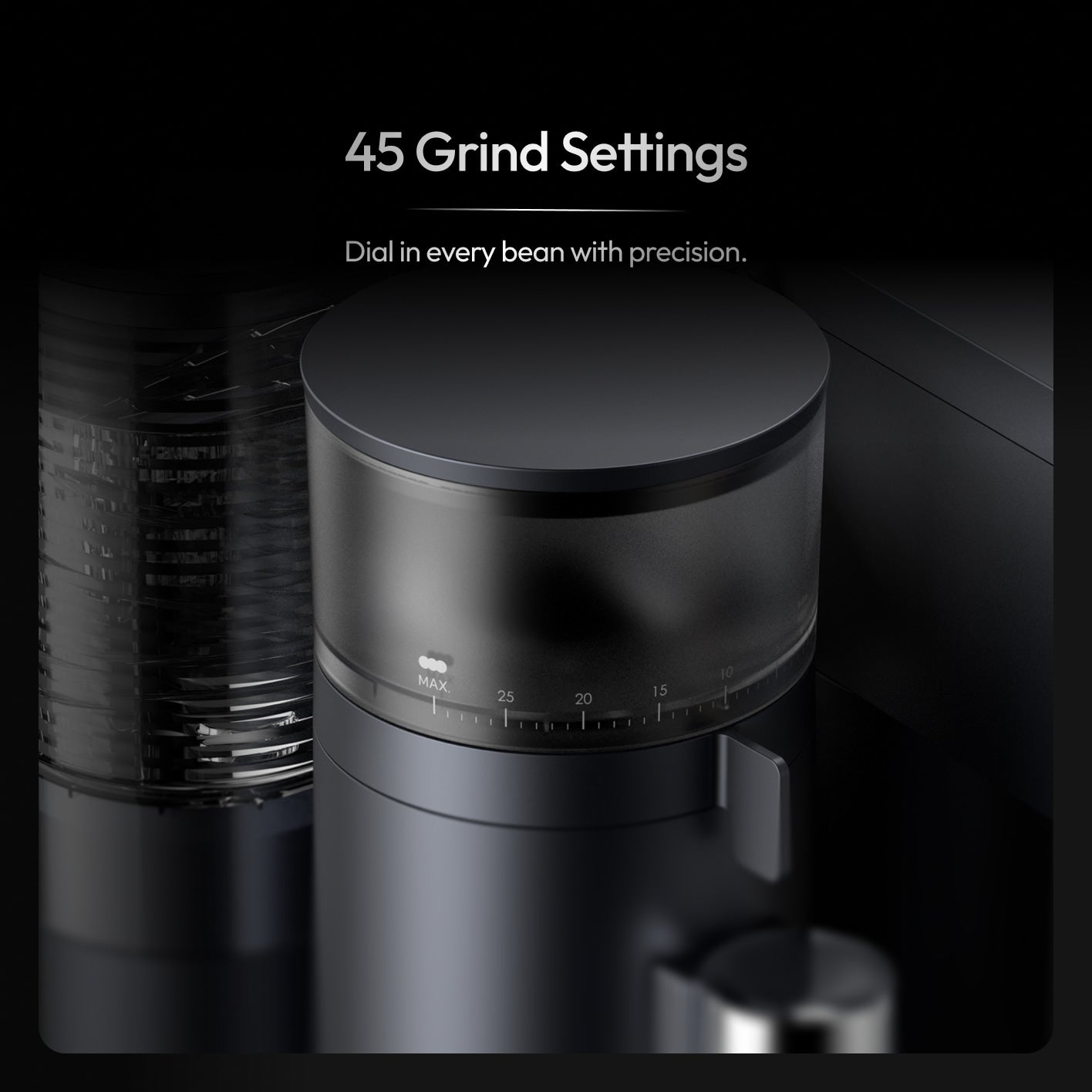
Some decafs run slightly different density and can need a finer or coarser nudge than their caffeinated twins. Change one step at a time. If shots blond instantly, grind finer; if they choke, ease coarser. Milk drinks can ship sooner while you refine black tasting for weekends.
Store decaf like any specialty coffee: airtight, cool, away from spices. Age still dulls sweetness. A brilliant process cannot rescue a months-open bag.
Evening ritual design without self-deception
Switch grinders or purge hoppers when moving from daytime caffeinated lots to decaf so residual beans do not quietly add buzz. Keep a dedicated evening tin if the household argues about hopper contents. Pull the same latte recipe you love at breakfast so the ritual feels continuous while stimulant load drops.
If sleep still suffers, count total decaf volume and any chocolate or tea extras. Residual caffeine plus habit cues can keep brains alert. Some people stop all coffee after lunch; others tolerate a single evening decaf flat white. Personal logs beat internet absolutes.
When buying, prefer roast dates and named processes over vague “night blend” stickers. Ask roasters how they want the coffee brewed. Then dial on your machine instead of inventing a separate decaf mythology.
Finally, clean milk systems the same at night as in the morning. Decaf does not excuse sticky wands. Tomorrow’s first caffeinated shot will taste yesterday’s milk if you skip the cloth.
Keep evening decaf beans dated and sealed; stale decaf teaches the myth that all decaf tastes cardboard. Fresh lots plus honest residual-caffeine expectations make night espresso rituals sustainable.
Process shopping questions to ask
When a bag says Swiss Water, ask whether the lot was roasted recently and how the roaster wants espresso dialed. When a bag says CO₂ or named solvent processes, skip panic and taste. Quality control beats buzzwords. Supermarket decaf without dates is a harder sell for espresso straight shots, though it may still work in milk drinks if that is all you need.
Compare two decafs the same week with identical dose and yield. Differences you taste are then about the coffee, not about random temperature swings. If both taste papery, the issue may be age or storage rather than the philosophy of decaffeination.
Travel and office scenarios tempt pods or instant decaf. Those can be practical; they are simply different products. This article focuses on whole-bean espresso-capable decaf because that matches Meraki’s workflow. Instant nightcaps are outside scope.
Milk drinks and residual caffeine math
A large decaf latte still contains whatever residual caffeine survived processing, multiplied by shot count. Two evening doubles are not the same as a splash of decaf in cocoa. Sensitive sleepers should treat shot counts seriously even when the menu says decaf.
Steaming milk for decaf drinks uses the same 140–150°F discipline. Do not rush hygiene because the hour is late. Burnt milk on a wand will greet tomorrow’s caffeinated americano with ghost flavors.
Decaf espresso troubleshooting
If decaf shots taste hollow, check age first, then grind finer, then dose. If they taste ashy, try a different roast or slightly lower temperature if your machine allows. Do not assume decaf cannot improve—many can with ordinary dial-in hygiene.
Conclusion
Decaf is mostly decaffeinated coffee with residual caffeine, process-dependent flavor, and full espresso potential when fresh—dial it like coffee, not like a placebo.
Pull evening shots on the Meraki espresso machine and read more in coffee knowledge.
FAQ
Does decaf have caffeine?
Yes, usually a small residual amount. Decaffeination removes most caffeine but not every milligram. Treat “decaf” as very low caffeine, not mathematically zero, unless a specific lab result says otherwise.
What is the Swiss Water Process?
Swiss Water is a chemical-solvent-free decaffeination method that uses water and carbon filters to remove caffeine from green coffee. Other processes use CO₂ or approved solvents. Ask your roaster which method your bag used.
Is decaf less acidic?
Not reliably. Decaf can taste different because processing and roast choices change, but acidity depends on origin, roast, and brew as much as caffeine status. Taste the cup rather than assuming comfort chemistry.
Can you pull espresso with decaf?
Yes. Dial grind and dose as you would for caffeinated espresso; freshness still matters. Some decafs need slight grind tweaks. Expect residual caffeine to remain small but present.
Does decaf taste worse?
Modern decaf can taste excellent when fresh and well roasted. Older stereotypes come from tired supermarket beans. Buy from roasters who treat decaf as a real product, not an afterthought.


