


Cost framing for the curious shopper: you are not buying a caffeine-free green latte base when you buy matcha—you are buying powdered tea leaf with a measurable stimulant load. Failure scene: stacking a strong matcha scoop with a double espresso “because tea is gentle,” then wondering why sleep vanished. This page owns amounts and comparisons, not dirty matcha recipes.
Recipe layering lives in the matcha coffee guide. Energy context on Meraki: matcha vs coffee for energy; hub coffee knowledge.
Direct answer: does matcha have caffeine?
Yes—matcha contains caffeine because it is finely ground tea leaf you ingest as a suspension.
Typical home servings often fall roughly around the mid tens of milligrams, scaling with how many grams you whisk.
Labels and lab reports beat memes; brands vary. Authority context: FDA on caffeine, Mayo Clinic caffeine overview.
How much caffeine in matcha
Culinary scoops for lattes can exceed ceremonial half-teaspoon habits. Ceremonial grades are not automatically lower caffeine; dose is the lever. Whisked straight matcha versus diluted latte milk drinks also change milligrams per sip. Education: Harvard caffeine, NCA caffeine.
Matcha vs coffee caffeine table
| Drink (typical home) | Caffeine ballpark | Notes |
|---|---|---|
| Matcha (1 tsp-class serving) | Often ~30–70 mg class | Scales hard with grams used |
| Espresso (single ~1 oz) | Often ~60–80 mg class | Doubles scale roughly with shots |
| Drip coffee (8–12 oz) | Often ~80–140+ mg class | Brew strength and size dominate |
Ranges are illustrative starting points from common public nutrition references—not lab results for your tin. Weigh matcha if you need repeatability. Coffee literacy: NCA, Harvard on coffee.
Why it can feel different
Tea naturally contains L-theanine, which some people associate with a calmer alert feeling alongside caffeine. That mechanism talk is educational, not medical advice, and responses vary. Do not treat matcha as a clinical treatment for energy disorders. Composition context: Coffee & Health.
Serving size and quality effects
More grams mean more caffeine. Latte shops can scoop generously. Ceremonial versus culinary labels speak to sensory intent more reliably than to a fixed milligram promise. If caffeine sensitivity is high, measure and schedule earlier servings.
Misconceptions
“Matcha has no caffeine.” False. “Matcha always has more caffeine than coffee.” Usually false cup-for-cup. “Matcha is automatically healthier caffeine.” Not a claim this page makes. For layered espresso-plus-matcha drinks, see the recipe article rather than double-counting myths here.
Meraki / coffee angle
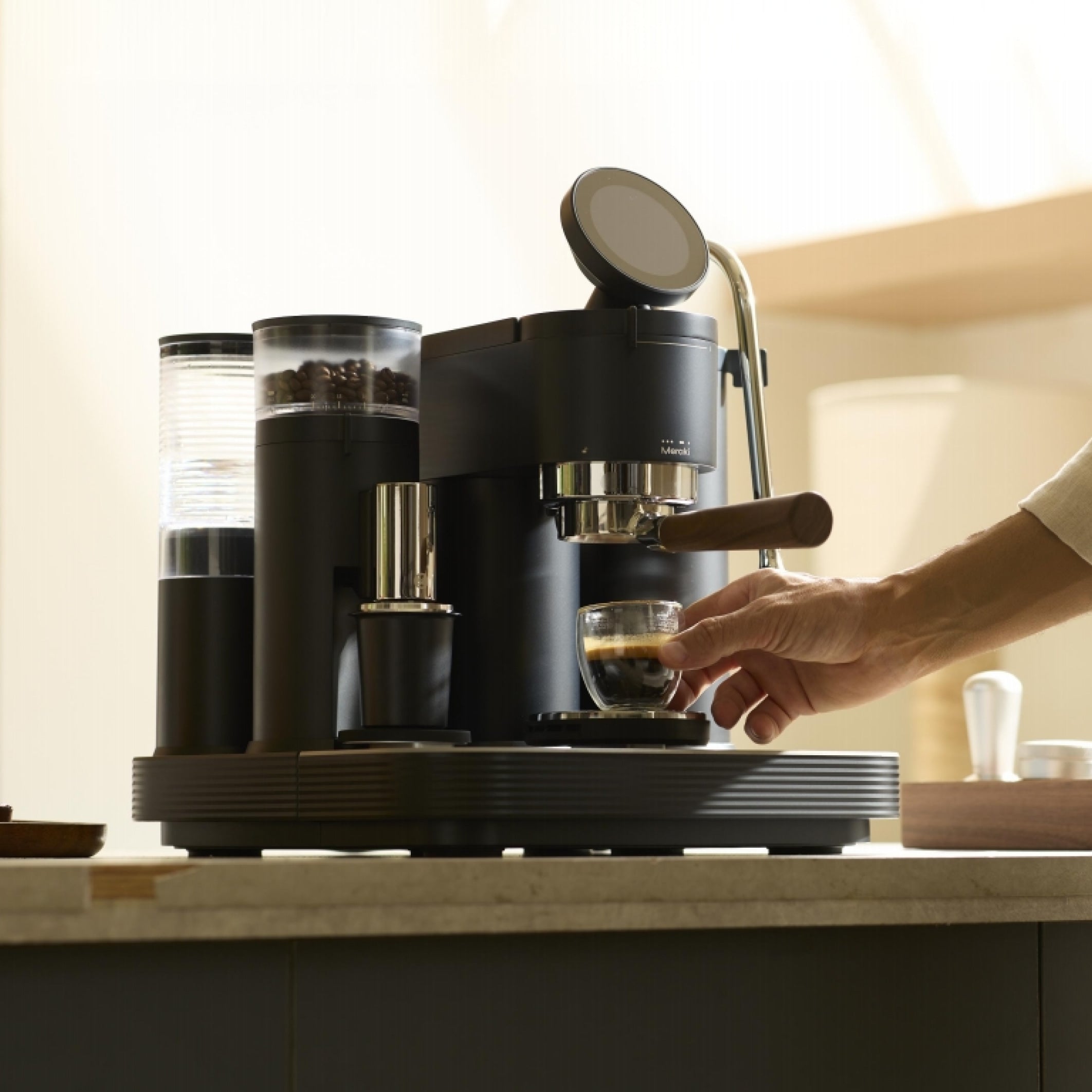
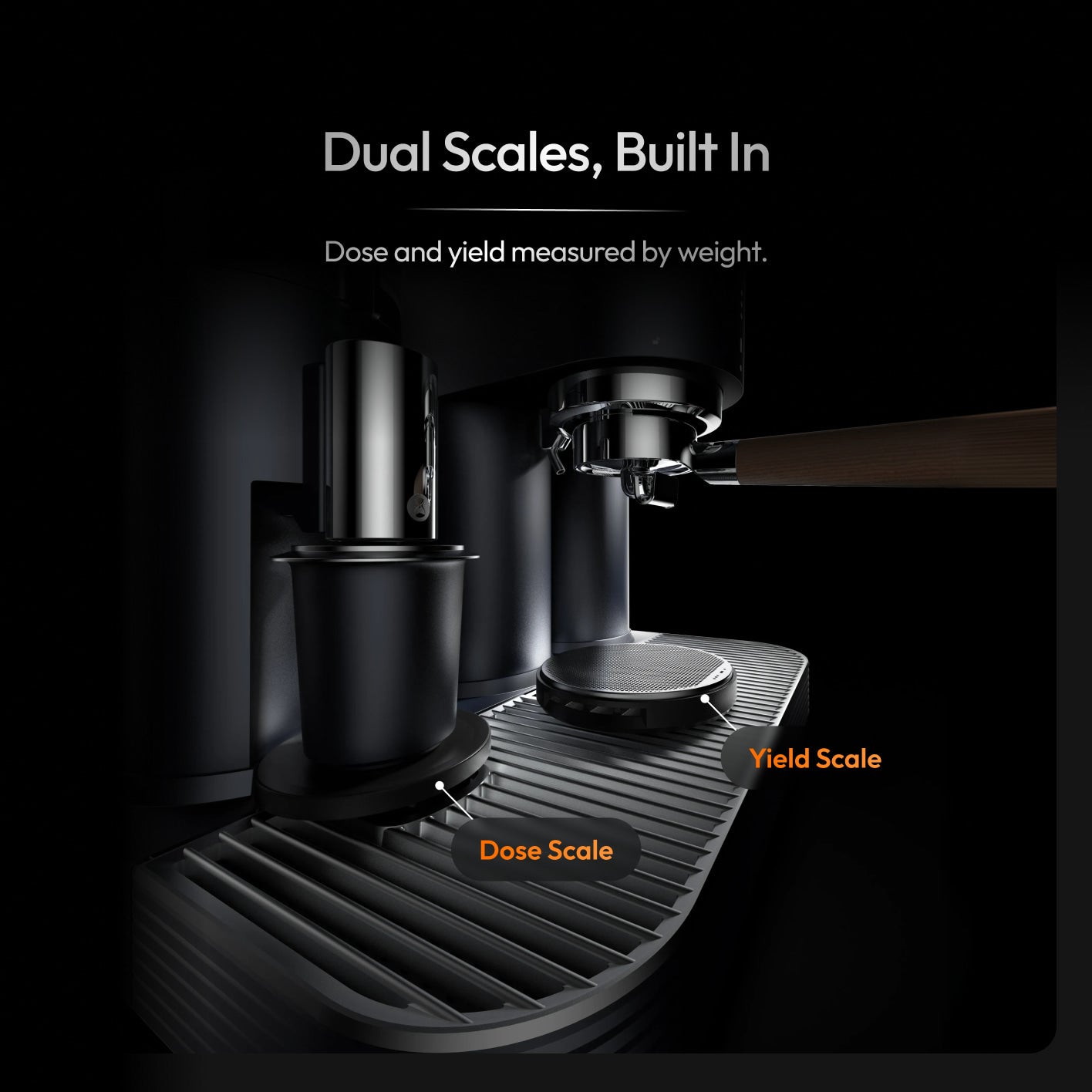
If you still want precise espresso caffeine with milk drinks you control, Meraki’s measured all-in-one workflow (scales, dual boilers, steam) is the coffee path—disclosed as such. It does not brew matcha. Product: Meraki espresso machine; accessories: collection; beans: beans. Craft: Perfect Daily Grind; SCA: sca.coffee.
Low-caffeine alternatives (one line)
If you want tea ritual with less buzz, ask your tea shop about lower-caffeine options such as roasted green teas; verify labels rather than assuming.
Reading labels and stacking stimulants
Café matcha scoops are often larger than home teaspoons. Ask what grams went into a drink before comparing it to your kitchen tin. Stacking matcha, espresso, and energy drinks multiplies milligrams quickly. Sensitive sleepers should set a personal afternoon cutoff rather than debating tea mythology online.
Public references such as FDA consumer updates and clinic caffeine overviews help frame daily totals; they are not personalized medical plans. If you are pregnant, managing a condition, or on medication, ask a clinician about caffeine limits instead of crowdsourcing dosage.
Matcha grade myths vs coffee clarity
Ceremonial grade speaks to intended whisked flavor more than to a guaranteed caffeine number. Culinary grade can taste more bitter in lattes and may be scooped more generously. Coffee, by contrast, publishes more familiar espresso and drip ranges—still wide. Honest comparison always returns to measured servings on both sides of the table.
Practical comparison habits
Weigh matcha grams for a week and note sleep quality without obsessing. Compare those notes to your usual coffee days. Some people feel better with matcha mornings; some feel identical buzz; some feel worse when scoops creep upward. Personal data beats slogan wars between tea and coffee tribes.
When cafés list matcha lattes, ask about scoop count. When espresso drinks list doubles, count shots. Totals matter more than identity labels. Children’s drinks and caffeine do not mix casually—keep adult beverages adult.
Storage: airtight, cool, dark for matcha color and flavor. Old dull matcha tempts heavier scooping, which quietly raises caffeine. Fresh tin, measured scoop, honest calendar—that is the whole system.
How serving size changes the matcha story
A half-teaspoon ceremonial whisk differs wildly from a heaping café scoop in a sixteen-ounce latte. Always translate marketing claims into grams. If a tin lacks guidance, start near one gram, taste, and climb. Coffee comparisons should use the same honesty: an eight-ounce drip and a two-ounce espresso are different caffeine stories even before matcha enters the chat.
Travel tins and cafe´s vary in freshness. Dull brown matcha often tastes bitter, which tempts sugar and extra scoops—both change how buzzed you feel. Buy amounts you will finish and close lids tightly after every session.
For readers deciding between tea ritual and espresso ritual, keep goals clear. Matcha is not decaf theater. Espresso is not evil caffeine. Measured choices beat identity arguments every weekday morning.
Treat matcha caffeine like coffee caffeine: measurable, stackable, and personal. Weigh scoops, note sleep, and compare honestly to your espresso days. Ritual differences are real; stimulant denial is not. Keep clinician advice in the loop when health conditions require it.
When comparing matcha caffeine vs coffee caffeine, match the serving you actually drink—grams of matcha and ounces of coffee—then decide. Identity debates without measurements waste mornings. Keep dirty matcha recipes on their own page so this explainer stays about stimulant literacy.
Conclusion
Matcha is caffeinated; compare milligrams by serving against coffee; measure scoops if sleep matters; keep medical conclusions offline.
For coffee-side control, see the Meraki espresso machine; for drink layering, read dirty matcha.
FAQ
Does matcha have caffeine?
Yes. Matcha is powdered green tea leaf, so it contains caffeine. Typical servings often land roughly in a tens-of-milligrams range that varies with grams used and grade—always check your product label when you need precision.
Does matcha have more caffeine than coffee?
Not usually cup-for-cup versus a full coffee serving. Many matcha preparations contain less caffeine than a typical drip coffee or espresso-based drink, but strong culinary scoops can climb. Compare by measured serving, not by vibe.
Is matcha caffeinated?
Yes. Decaf matcha is uncommon; assume standard matcha is caffeinated unless a product explicitly states otherwise.
How much matcha keeps you awake?
Sensitivity varies. Start with a small measured serving earlier in the day if you are caffeine-sensitive, and avoid stacking matcha with espresso shots without counting total intake.
Does matcha feel different from coffee?
Some people report a steadier lift, often discussed alongside L-theanine in tea. That is not a medical claim and not universal—treat it as a personal response, not a prescription.


