


Field Q: what are you actually buying when the price jumps into “high end”? A: usually dual-boiler (or excellent HX) thermal behavior, stronger steam, denser build, and a service story—not a logo tax that fixes bad grinding. Key numbers to hold: warm-up measured in minutes, milk drinks per morning, and whether brew and steam must overlap.
This guide reframes high end espresso machine shopping as ROI and workflow, not a luxury parade of showpiece chassis. Premium coffee makers and professional espresso machine for home searches belong here too when the real ask is stability under milk-drink load. Related: real cost of espresso machine ownership, what is a dual boiler espresso machine.
Who should buy a high-end espresso machine
Home baristas who pull multiple milk drinks daily and feel single-boiler waits or temperature drift as real friction.
Skip pure luxury spend if you will not clean, dial, or fund a capable grind path.
End users who want café pacing at home should ask about simultaneous brew and steam before asking about finish colors. Office corners that serve guests back-to-back also feel dual-boiler value quickly. Literacy: SCA, NCA.
Must-have specs vs luxury nice-to-haves
Must at the high end: stable brew temperature control (often PID-assisted), steam that can texture milk quickly, durable hydraulics, and a grinder plan. Nice: exotic metals, limited editions, app dashboards that do not change particle physics. Parameter view: pressure stability near 9 bar, thermal recovery between shots, and serviceable boilers matter more than brochure adjectives. Education: SCA education.
Build quality shows up as service access, boiler materials, pump type, and how the machine behaves after three years of hard-water mornings—not only day-one Instagram lighting. If a brand cannot explain maintenance paths, the “premium” label is incomplete.
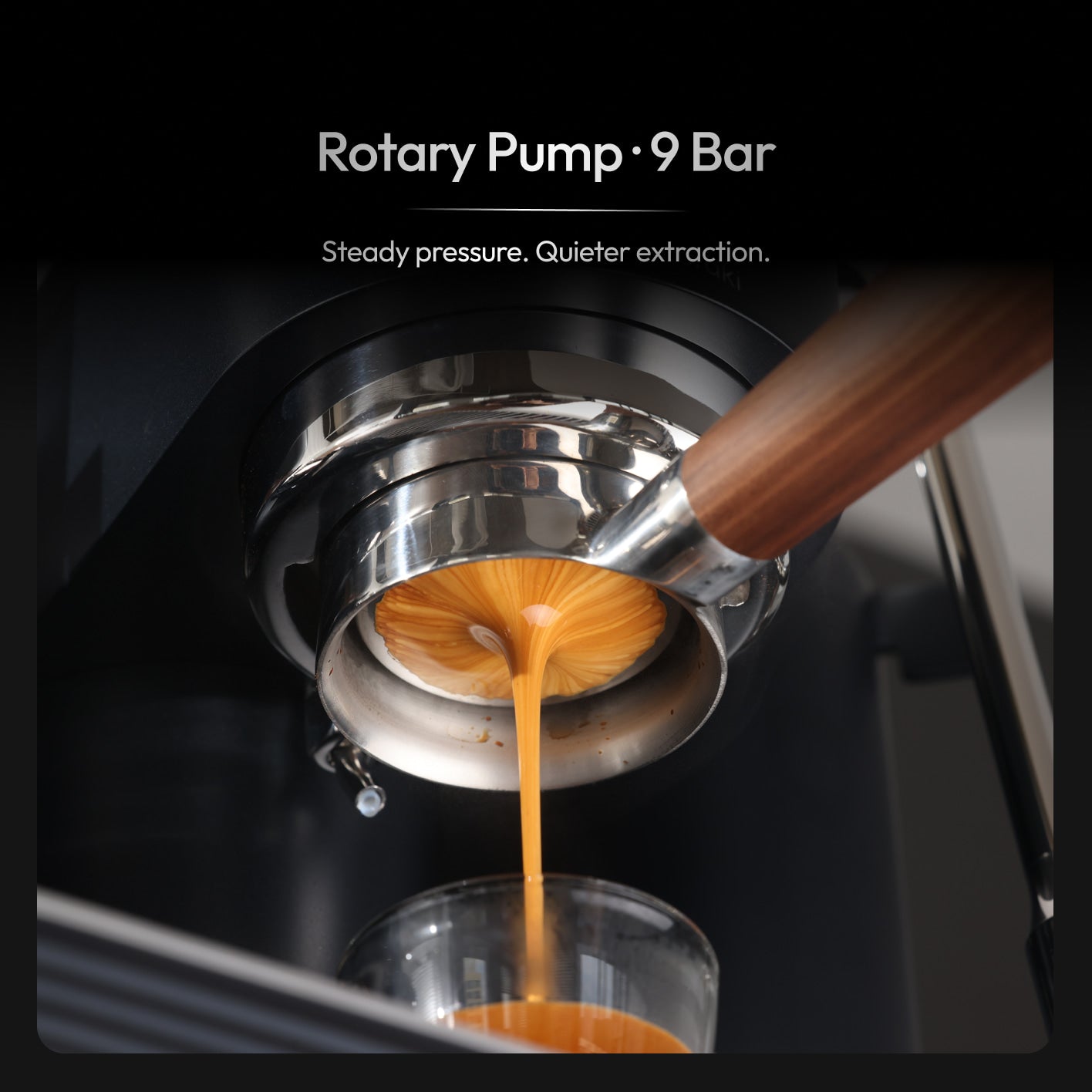
Dual boiler / grind / steam tradeoffs
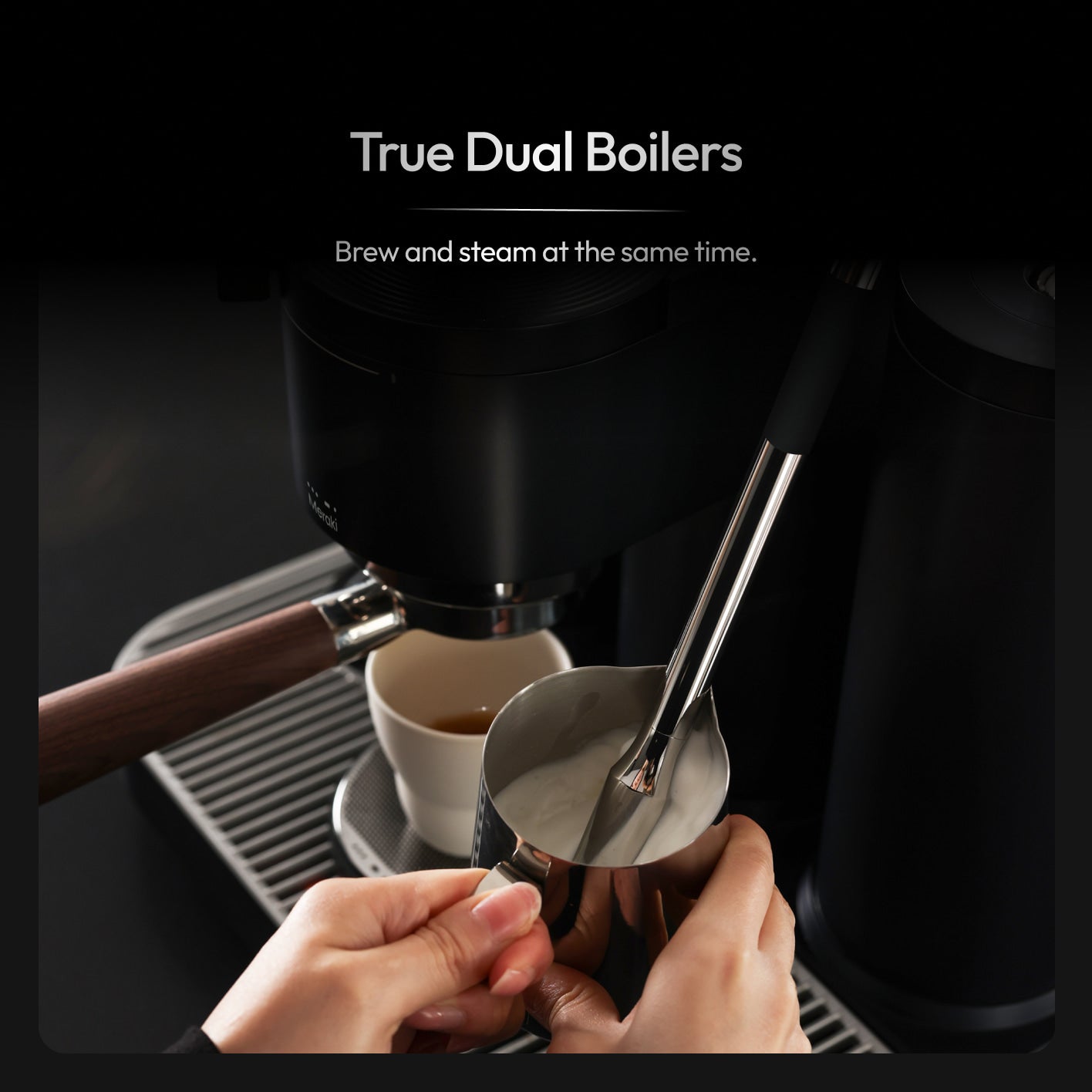
Dual boilers dedicate vessels to brew and steam so you can pull and texture in parallel. That is the signature high-end home workflow for latte households. Grind still gates flavor. Over-buying steam power you never practice wastes money. Water chemistry remains a quiet ROI factor—CDC water quality, EPA WaterSense.
Think in minutes saved per weekday: if two people want cappuccinos before commuting, simultaneous brew and steam is not snobbery—it is scheduling. If you drink one straight espresso at noon, mid-range thermal solutions may already be enough.
Budget tiers and ROI
Mid-range + excellent grinder can outperform a premium chassis with a weak grind. High-end ROI appears when time saved on milk drinks, temperature consistency, and longevity reduce frustration and replacement cycles. Count beans, descaling, and cleaning hours in ownership cost. Lifestyle context: Harvard on coffee.
ROI is also emotional: fewer dumped shots, fewer burnt milk restarts, fewer “why is today different?” mornings. Those soft costs rarely appear on luxury listicles, yet they decide whether a high-end machine earns its keep.
Dual boiler vs heat exchanger at high end
| System | Strength | Trade-off |
|---|---|---|
| Dual boiler | Independent brew/steam temps; true simultaneous use | Cost, energy, more maintenance surface |
| Heat exchanger (HX) | Strong steam with one-boiler complexity | Cooling flushes / balancing brew temp skill |
| Single boiler / thermoblock | Lower cost and size | Wait between brew and steam; different stability profile |
High-end is not synonymous with dual boiler alone—some enthusiasts prefer tuned HX machines—but dual boiler is the clearest answer when simultaneous brew and steam is the hard requirement. Deeper technical ownership of dual-boiler mechanics lives on Meraki’s dual-boiler explainer; this page owns the ROI framing.
Maintenance and heat-up honesty
Premium machines still scale, still need wand wiping, and still need gasket care. Longer plumbing can mean more places to miss during descaling. Heat-up is rarely instant; plan morning power-on rather than expecting café-idle behavior from a cold chassis. Meraki dual boilers typically need about 3–4 minutes to heat, with a guided route toward milk drinks in about five minutes—verify live specs before purchase. Composition notes: Coffee & Health.
Service ROI includes authorized repair paths and shipping policies. A beautiful machine with nowhere to go when a solenoid fails is a future headache. Ask about parts and warranty length before chasing limited finishes.
Kitchen constraints
High-end chassis are often deeper and heavier. Check counter depth, ventilation, and whether you can slide the machine for service. A rotary-pump dual boiler that cannot fit under a cabinet is not a bargain. Accessories that keep the station tidy live in the accessories collection.
Where Meraki fits
Meraki positions reachable high-end behavior—dual boilers, rotary pump, TIMEMORE co-developed grinder, built-in dual scales, guided workflow—without requiring a separate café stack. Disclosure: this is Meraki’s product thesis, scored on the same dual-boiler/grind/steam criteria above, not a secret multi-brand lab crown. View the Meraki espresso machine. More guides: machine guides. Sensory: Coffee Review; craft media: Perfect Daily Grind; caffeine literacy: NCA caffeine.
Mistakes to avoid
Buying logo-first. Skipping the grinder budget. Assuming dual boiler fixes channeling. Ignoring maintenance. Treating heat-up claims as decorative. Fast Q: dual boiler worth it? When milk overlap is daily. Cup change vs mid-range? Stability and steam, not magic. Heat-up? Minutes, not seconds. Need great grinder? Always. Maintenance? Descale and clean both paths.
Service, warranty, and the quiet half of ROI
High-end spend should include a boring spreadsheet: warranty length, authorized service distance, who pays shipping on repairs, and how descaling is documented. A chassis that needs a cross-country crate for a gasket is a different product than one with local service paths.
Energy use rises with dual boilers left on all day. Some owners use smart plugs and timed warm-ups; others accept idle heat for instant guests. Neither is wrong—but include electricity and standby behavior in ROI instead of pretending luxury machines are free to idle.
When mid-range plus grind wins: you drink mostly straight shots, you already own a strong grinder, and you will not steam in parallel. When high-end dual boiler wins: overlapping milk drinks, guests, or low tolerance for temperature surfing. Write your week before writing a check.
Press and award claims belong on verified pages—this article sticks to workflow specs you can inspect: boilers, pump behavior, scales, grind path. See Meraki for the live configuration.
Premium espresso without the parade
Show floors love mirror panels; home kitchens love recovery between two flat whites. Ask demos to pull back-to-back milk drinks while you watch temperature and wait times. If the salesperson only pulls one show shot, you learned little about high-end ROI.
Professional espresso machine for home is a phrase that should mean commercial-leaning components in a domestic footprint: rotary pumps, dual boilers, stout steam—not a restaurant floor plan. Meraki’s rotary pump and dual boilers sit in that translation layer with scales and guidance layered on top.
If you already own a high-end chassis and a weak grinder, stop shopping machines. Fund particles. If you own a great grinder and hate steam waits, then dual boiler ROI is the conversation. Sequence beats envy.
ROI worksheet (copyable)
Lines to fill: drinks per weekday; minutes saved by simultaneous steam; dumped shots per week now; grinder quality (honest 1–5); service distance; willingness to descale. If minutes saved and dumped shots are near zero, high-end dual boiler ROI is weak. If both are high, ROI is strong even before prestige enters.
Include electricity and idle policy. Some owners power down daily; some leave warm. Either can be rational. What is irrational is paying premium dollars then skipping wand wiping.
Premium high end coffee makers that cannot explain boiler architecture are selling furniture. Ask for brew boiler vs steam boiler details, pump type, and warm-up guidance before finish colors.
Conclusion
Define high-end as dual-boiler (or equal) stability, build, and service ROI—then fund grinding. Skip luxury lists that never mention warm-up or cleaning.
See dual-boiler workflow on the Meraki espresso machine, and read ownership math in real cost of espresso machine ownership.
FAQ
Is a dual boiler worth it for home?
It is worth it when you regularly make milk drinks and hate waiting between brew and steam, or when back-to-back drinks need stable temperatures. It is less critical if you only pull straight shots occasionally.
High-end vs mid-range: what changes in the cup?
High-end usually buys temperature stability, steam power, build longevity, and serviceability—not magic beans. A mid-range machine with a great grinder can beat a luxury chassis paired with a weak grind.
How long do premium machines take to heat up?
Many dual-boiler homes need several minutes; some prosumer machines need longer warm-ups for group thermal stability. Meraki’s dual boilers typically heat in about 3–4 minutes with a guided path toward a latte in about five minutes—always confirm on the live product page.
Do I still need a great grinder?
Yes. Dual boilers do not fix blade grinders or huge retention problems. Particle quality remains the first lever.
What maintenance does a dual boiler need?
Regular cleaning of group and wand, hardness-based descaling that covers brew and steam paths, gasket and screen care, and following the maker’s service intervals. More plumbing means more places scale can hide if you skip schedules.


