


You asked for something longer than a straight shot and less milky than a latte—then the barista said “Americano” and poured hot water into espresso. That simple move creates a whole drink category, and it is easy to confuse with drip coffee or a long black.
This explainer defines americano coffee, gives executable espresso-to-water ratios, contrasts drip and long black, and shows a home workflow you can repeat. For the water-first sibling drink, see Meraki’s long black vs Americano guide.
What is an Americano coffee?
An Americano is espresso diluted with hot water.
You pull one or two shots, then add hot water to stretch the cup into a longer black drink without turning it into a latte.
The name is cafe shorthand, not a different bean species. You still taste espresso’s concentrated extraction—just spread across more liquid. Origin stories often mention soldiers diluting espresso with water; treat that as folklore context, not a brewing law. For general coffee composition, see the NCA overview and Coffee & Health.
Why the dilution ratio matters
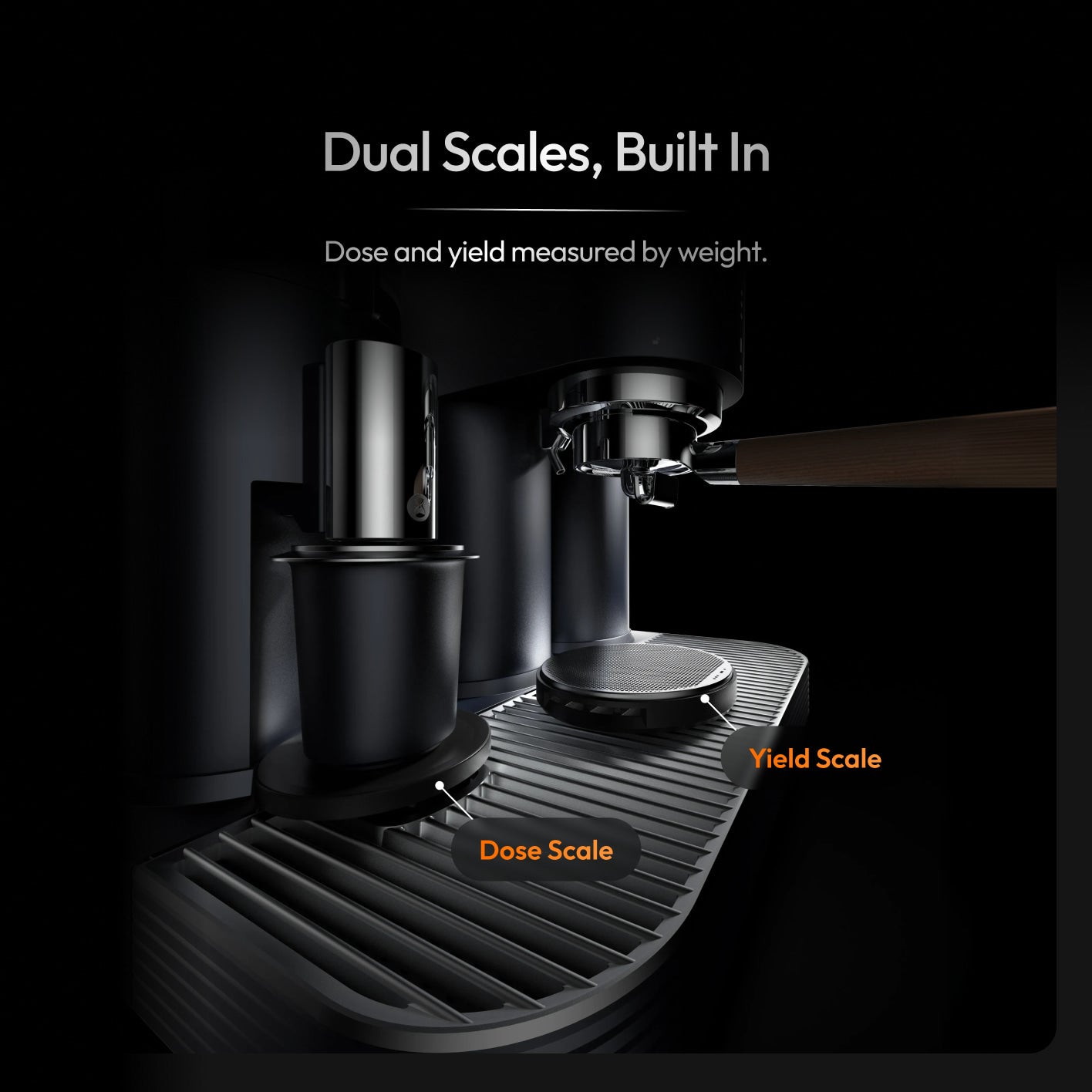
Water volume sets strength more than mythology does. A double shot into 6 oz (180 ml) water drinks differently than the same shots into 10 oz (300 ml). Start with a recipe you can weigh: espresso yield first, then water to taste. Built-in scales help you repeat the same liquid weights day to day. Specialty education notes from the SCA education hub emphasize measurement habits even when the drink looks simple.
Americano vs drip coffee (preview)
Drip uses coarser grounds and gravity; Americano uses espresso plus water.
They can share a black-coffee cup size, but body, acidity, and crema presence still diverge because extraction paths differ.
Drip and pour-over dissolve solubles over minutes through a bed of coffee. Espresso forces water through a fine puck in tens of seconds, then you dilute. Expect Americano to keep more espresso-like intensity and sometimes a thinner crema film after water. Drip often tastes cleaner and sweeter at equal caffeine when doses are matched carefully. Deeper side-by-side caffeine and taste notes belong in the companion comparison on Americano vs coffee; here, know they are not interchangeable labels. Roast primers from the NCA roast guide still apply to either path.
Americano vs long black (water first)
Order of pour changes crema and first sips.
Americano: espresso, then water. Long black: water in the cup, espresso on top—often shorter and more aromatic on the surface.
If you care about a crema lens and a punchier top note, try water first. If you want easy strength dialing and a fully mixed cup, water after espresso is forgiving. Meraki’s dedicated long black vs Americano article owns the full water-order deep dive—use this page to recognize the fork, then follow that guide when you are optimizing crema.
Taste, body, and caffeine
Taste sits between straight espresso and drip: espresso aromatics with a longer finish. Body thins as you add water; under-extracted shots taste sour at any dilution. Caffeine mostly tracks how many shots you pulled, then how large the final cup is when you compare to drip. Use Harvard’s caffeine overview and the NCA caffeine page for general ranges—not medical advice.
How to make an Americano at home (ratio table)
Pull espresso, then add hot water to a target cup size.
A practical starting point is a double shot (~36 g liquid) into roughly 1:3 to 1:5 espresso-to-water by weight, then adjust.
Steps: warm the cup; pull a calibrated shot; add water just off boil (or from a clean kettle) to the ratio you chose; taste before adding more water. Iced Americano: espresso over ice, then cold water—expect faster dilution as ice melts. Without an espresso machine, use a strong concentrate from moka or AeroPress as a bridge, knowing crema will differ. Bean choice still matters; browse the beans collection for espresso-friendly roasts.
| Style | Espresso yield | Hot water | Approx. ratio | Notes |
|---|---|---|---|---|
| Short Americano | ~36 g (double) | ~72–108 g | 1:2–1:3 | Closer to espresso intensity |
| Classic mug | ~36 g | ~108–180 g | 1:3–1:5 | Everyday black cup |
| Long mug | ~36–54 g | ~180–250 g | 1:5+ | Add a third shot if thin |
| Iced | ~36 g | cold water to taste + ice | variable | Account for melt |

Gear that changes results
Stable brew temperature and a consistent 9-bar-class espresso path make dilution predictable. A rotary pump and dual boilers help when you pull shots and immediately need steam or hot water for a second drink. Scales turn “a bit more water” into a number you can repeat. Accessories such as a bottomless portafilter from the accessories collection help you see channeling before you blame the water. References from SCA and Coffee Review support espresso fundamentals beneath the dilution step.
Common misconceptions
An Americano is not automatically “weaker caffeine” than drip at the same cup size. It is not a latte with water instead of milk. Adding milk does not rename it a flat white. “American coffee” on some menus means drip—ask if you are unsure. Espresso quality still gates the drink; watery bitterness usually means a poor shot, not “too much water.”
Meraki all-in-one angle
Americano rewards a shot you trust, then water you measure. Guided workflows and built-in scales make that boringly repeatable. Dual boilers keep you from waiting between espresso and the next milk drink if your household mixes orders. If that connected grind-brew-steam path is what you want on the counter, view the Meraki espresso machine. For more recipes in this cluster, continue through coffee recipes.
Conclusion
Treat Americano as espresso plus hot water with a ratio you can weigh. Use long black when you want water first and more surface crema, and use drip when you want a different brew method entirely. Dial strength with shot count and water grams—not with guesswork.
Build repeatable Americanos with measured shots on the Meraki espresso machine, or read the long black vs Americano guide next.
FAQ
Is an Americano just black coffee?
Not exactly. An Americano is espresso diluted with hot water. Black coffee usually means drip, pour-over, or French press brew from coarser grounds. Both can be served black, but extraction method and body differ.
Is an Americano stronger than drip?
Per ounce, espresso concentrate is stronger before you add water. After dilution to a similar cup size, caffeine and intensity depend on shot count and brew dose. Compare same volumes honestly rather than assuming Americano always wins.
What is an Americano with milk called?
Many cafes just call it an Americano with milk or a white Americano. It is not automatically a latte. A latte uses steamed milk as the main liquid; an Americano keeps water as the main diluent with milk as an optional splash.
Can you make an Americano without an espresso machine?
You can approximate with a strong moka pot or AeroPress concentrate diluted with hot water, but classic Americano assumes espresso. Texture and crema will differ. Use the method that matches the gear you own.
Americano vs long black—which liquid first?
Americano usually means espresso first, then hot water. Long black usually means hot water first, then espresso on top to preserve more crema. Same ingredients, different order and often a shorter cup.


