


The drink tastes like hot chocolate wearing a coffee name—or like a latte with a brown afterthought. Both failures are balance problems: chocolate dose, shot strength, and milk temperature fighting each other.
Counterintuitive fix: chocolate goes in before milk, and milk still wants 140–150°F microfoam, not a boil. This guide defines mocha latte, settles mocha vs latte, and walks a pitcher workflow. Companion reading already on Meraki: how to make a mocha at home.
What is a mocha latte?
Espresso, chocolate, and steamed milk in one cup.
Also called a café mocha, it is essentially a latte with chocolate integrated—not a separate brewing method.
Cup size usually mirrors a latte (often 8–12 oz at home). Coffee composition primers: NCA, Coffee & Health.
Mocha vs latte (and “is mocha coffee?”)
Latte = espresso + milk. Mocha = espresso + milk + chocolate. Yes—mocha is coffee when espresso (or a true coffee base) is present.
Ordering tip: if you want less sweetness, ask for fewer pumps or less cocoa rather than removing the shot. Roast choice still shows through chocolate—NCA roast guide.
Ingredients and espresso dose
Double shot (~32–36 g liquid from ~16–18 g grounds), chocolate syrup or cocoa, and about 6–8 oz milk for an everyday mug. Darker chocolate reads bitter; milk chocolate syrup reads candy. Weigh shots when you can. Beans: beans collection. Caffeine ranges: Harvard caffeine.
Chocolate choice: syrup vs powder
Syrup dissolves fast and doses consistently. Powder or cocoa needs a paste with a splash of hot espresso or water first or it clumps. Chips melted into hot espresso work if you stir thoroughly. Check labels in USDA FoodData Central when you care about sugar per tablespoon.
Step-by-step + steam 140–150°F
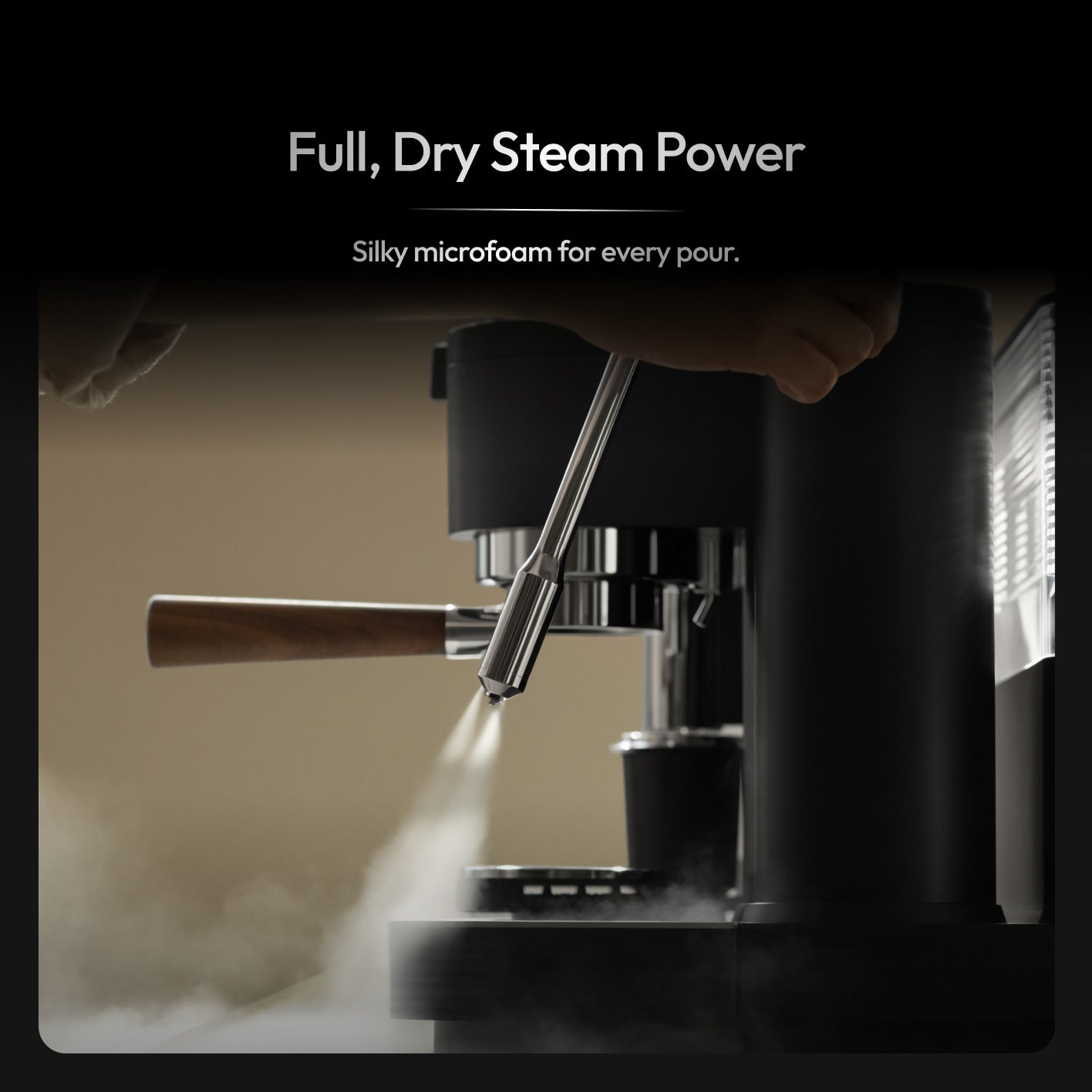
1) Pull espresso into the cup. 2) Stir chocolate into the hot shot until smooth. 3) Steam cold milk to glossy microfoam, stopping near 140–150°F (hand-hot, not scalding). 4) Pour milk to integrate; leave a thin foam paint. Scorched milk plus bitter cocoa tastes burnt even when espresso was fine. Pitcher size matters—see accessories. Milk technique reading: PDG milk tag.
Ratio / balance table
Use this as a home starting grid, then taste.
| Component | Starting point (8–12 oz cup) | If it tastes… |
|---|---|---|
| Espresso | Double (~1:2 yield) | Weak → tighter yield or fresher beans |
| Chocolate | ~1 oz syrup or 1–2 tbsp cocoa mix | Candy → cut chocolate; bitter → milder cocoa |
| Milk | ~6–8 oz steamed | Thin → less milk; heavy → smaller cup |
| Steam temp | 140–150°F | Flat sweet → you likely overheated |
Hot vs iced mocha
Iced: dissolve chocolate in hot espresso, pour over ice, add cold milk—no wand required. Hot: chocolate first, then microfoam. Do not dump powder on ice and hope. Education notes: SCA education.
Meraki steam wand notes
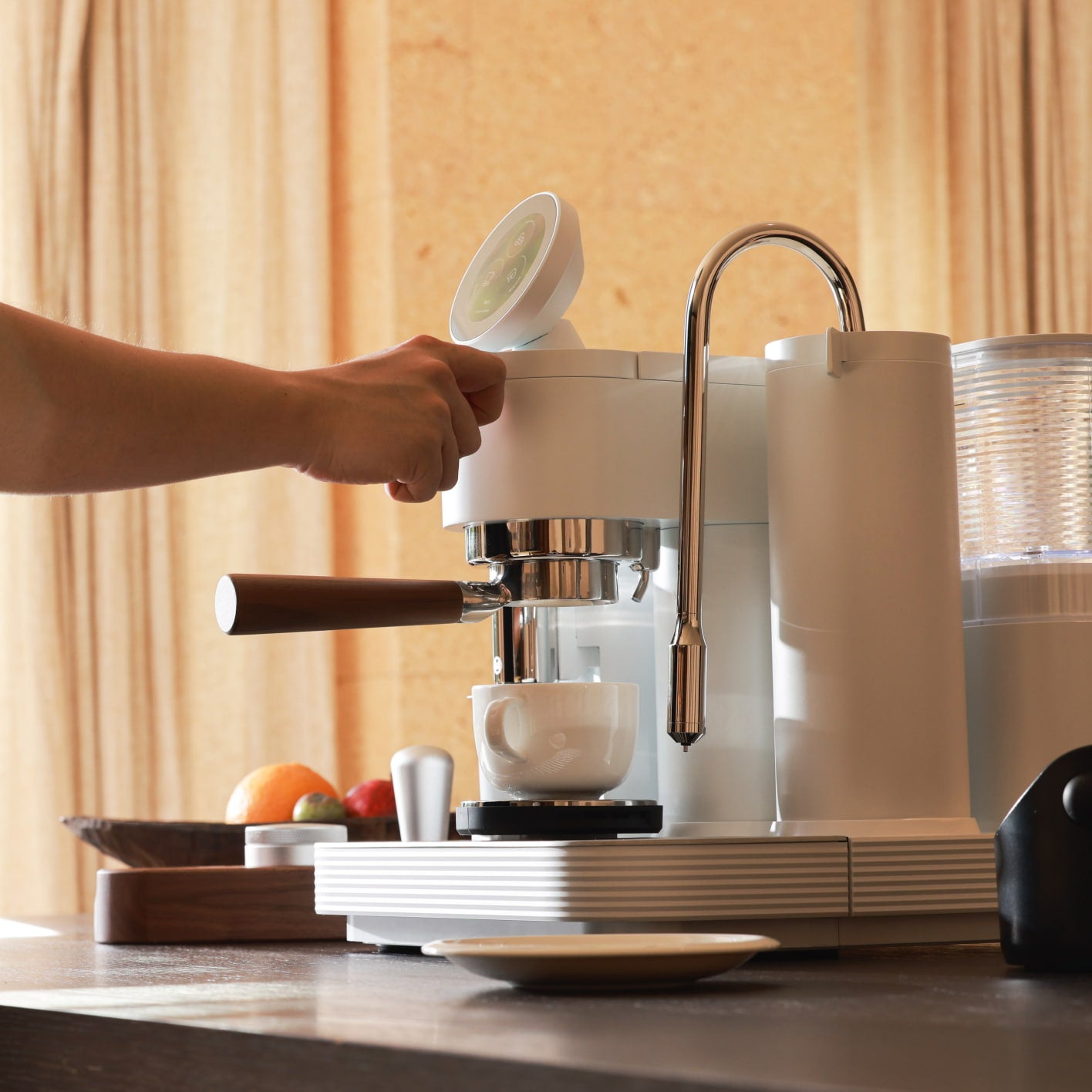
Dual boilers let you pull espresso and steam without a long temperature swing. Dry steam helps you hit the 140–150°F window before milk tastes cooked beside chocolate. Built-in scales keep the shot side honest so you adjust cocoa, not random brew volume. View the Meraki espresso machine and the existing mocha how-to. Habit context: Harvard on coffee, EatRight on coffee.
Purge the wand before and after every mocha. Chocolate residue on a dirty tip transfers odd flavors into the next flat white. Wipe with a damp cloth immediately—dried milk plus syrup is stubborn. If oat milk is your default, expect a slightly different stretch window; keep chocolate doses conservative so plant sweetness does not turn the cup into candy. Practice one chocolate brand for a week before swapping; otherwise you cannot tell whether the shot or the syrup moved.
When troubleshooting bitterness, change one variable: grind, chocolate amount, or steam stop temperature. Changing all three teaches nothing. Keep cups pre-warmed for hot mochas and pre-chilled for iced builds so the balanced recipe you tasted at the pitcher still tastes balanced at the first sip.
Who a mocha is for (and who should skip heavy chocolate)
Choose mocha when you want dessert-leaning coffee without abandoning espresso. Skip heavy chocolate if you are dialing a new light-roast shot and need to taste defects; cocoa hides under-extraction. Kids’ “mocha” requests sometimes want cocoa milk with a whisper of coffee—use a smaller shot rather than a full bitter double.
Pitcher control still matters: too much stretch makes marshmallow foam that sits on chocolate mud. Aim for latte-like gloss. If oat milk is default, reduce syrup slightly because many oat barista blends already taste sweet. Wipe the wand every time—chocolate plus milk is adhesive.
Compare against a plain latte in the same cup size once a week so your chocolate dose does not creep upward unnoticed. Keep cocoa and syrup on a measured spoon; “eyeballing pumps” is how balance dies. When iced, dissolve fully while hot or accept speckled bitterness.
Troubleshooting bitterness: coarsen grind slightly, cut chocolate, or stop steam earlier—one change at a time. Troubleshooting thin flavor: richer chocolate, tighter espresso yield, or less milk. Dual boilers help you iterate without waiting out temperature ping-pong between tests.
Syrup inventory without menu anxiety
Keep one chocolate syrup and one cocoa powder so you learn both textures. Rotate brands only after a week of stable shots. If calories matter, measure syrup and check labels rather than trusting cafe board folklore—USDA FoodData Central remains a sober lookup. Espresso still contributes negligible calories beside dairy and sugar.
Conclusion
Build mocha as latte-plus-chocolate with espresso-first dissolving and restrained steam heat. If it tastes like dessert or like confusion, move chocolate and temperature before buying a new syrup brand.
Practice balanced mochas on the Meraki espresso machine and keep exploring coffee recipes.
FAQ
What is the difference between a mocha and a latte?
A latte is espresso plus steamed milk with a thin foam layer. A mocha (mocha latte) adds chocolate—syrup or cocoa—so it drinks sweeter and more dessert-like at similar milk volumes.
Is a mocha coffee or a chocolate drink?
It is both: coffee-based espresso with intentional chocolate. Without espresso (or a strong coffee stand-in), it is hot chocolate. With espresso, it remains a coffee drink.
How much chocolate should I use?
Start with about 1 oz (2 tbsp) chocolate syrup or 1–2 tbsp cocoa mixture for a double-shot mocha in an 8–12 oz cup, then taste. Too much chocolate hides the espresso; too little tastes like a confused latte.
Can I make a mocha without an espresso machine?
Yes, with strong moka, AeroPress, or concentrated coffee, plus steamed or frothed milk and chocolate. Texture and crema will differ from true espresso.
Iced mocha latte tips?
Dissolve chocolate into hot espresso first, pour over ice, then add cold milk. Skipping the hot dissolve leaves cocoa clumps and uneven sweetness.


