


Your latte suddenly tastes heavier, sweeter, and a little oily on the lips—and the barista says they “made it breve.” That is not a new espresso recipe. It is a dairy swap that changes fat, texture, and calories while the shots stay the same.
This comparison settles breve vs latte with milk ounces, steaming temperatures, iced versions, and a home pitcher workflow. For a Meraki recipe companion already on the site, see breve latte: half-and-half steamed and poured.
Quick verdict: breve vs latte
Breve swaps milk for half-and-half; latte keeps milk.
Order a breve when you want richer body and natural sweetness. Keep a latte when you want a lighter everyday milk drink with the same espresso base.
Both drinks usually start with one or two espresso shots and a steamed dairy pour. The decision is fat percentage and mouthfeel, not caffeine. Treat syrup, ice, and cup size as separate levers. Coffee composition primers from the National Coffee Association and Coffee & Health help separate dairy facts from espresso facts.
Side-by-side: milk, fat, and texture
Whole milk sits near 3.25% milkfat. Half-and-half commonly lands around 10–12% milkfat—check your carton. That jump makes breve foam denser, stretches less forgiving, and coats the palate longer. A latte pours silkier and drinks “cleaner” after the first sip.
Volume habits matter. Many home cups use a double shot (about 36 g liquid espresso) with roughly 6–8 oz (180–240 ml) steamed milk for a latte. A breve often uses the same espresso with a slightly smaller dairy pour because richness saturates sooner. If your pitcher looks huge, you are building dessert calories, not a balanced drink. Browse a small pitcher in the accessories collection when you want modest dairy volumes.
Calories and richness without menu folklore
Breve is richer per ounce than a latte.
Calories climb because fat climbs. Espresso calories stay tiny; dairy choice drives the difference.
Do not invent a single “breve has X calories” number for every cafe. Cartons differ, and pours differ. Look up half-and-half versus whole milk in USDA FoodData Central, then multiply by the ounces you actually steam. General coffee-habit context from EatRight stays useful for overall diet, not as a breve ranking. If you want richness without a full breve, try a splash of half-and-half in a milk latte instead of swapping the entire pitcher.
Taste, mouthfeel, and caffeine
Fat softens bitterness and adds viscosity, so breve tastes sweeter even when you skip syrup. Mouthfeel is coating and lingering. A latte keeps more espresso brightness through the milk. Caffeine tracks shot count, not dairy—use the Harvard caffeine overview and NCA caffeine page for general ranges. If a breve tastes flat, you likely overheated the dairy or under-extracted the shot, not “needed more syrup.”
When should you order each?
Choose breve for dessert-like richness; latte for daily balance.
Pick breve when you want a shorter, richer cup or a weekend treat. Pick latte when you want a longer, lighter drink you can finish quickly.
Order breve if half-and-half already lives in your fridge and you like cream-forward espresso. Order latte if you care about microfoam art, plant-milk experiments, or keeping calories closer to a standard milk drink. If you only wanted thicker foam on milk, ask for a wet cappuccino—not a breve. Mocha is a separate chocolate decision; you can breve a mocha, but that stacks sweetness fast.
How do you steam half-and-half at home?
Use a small pitcher, shallow tip, and stop near 140–150°F.
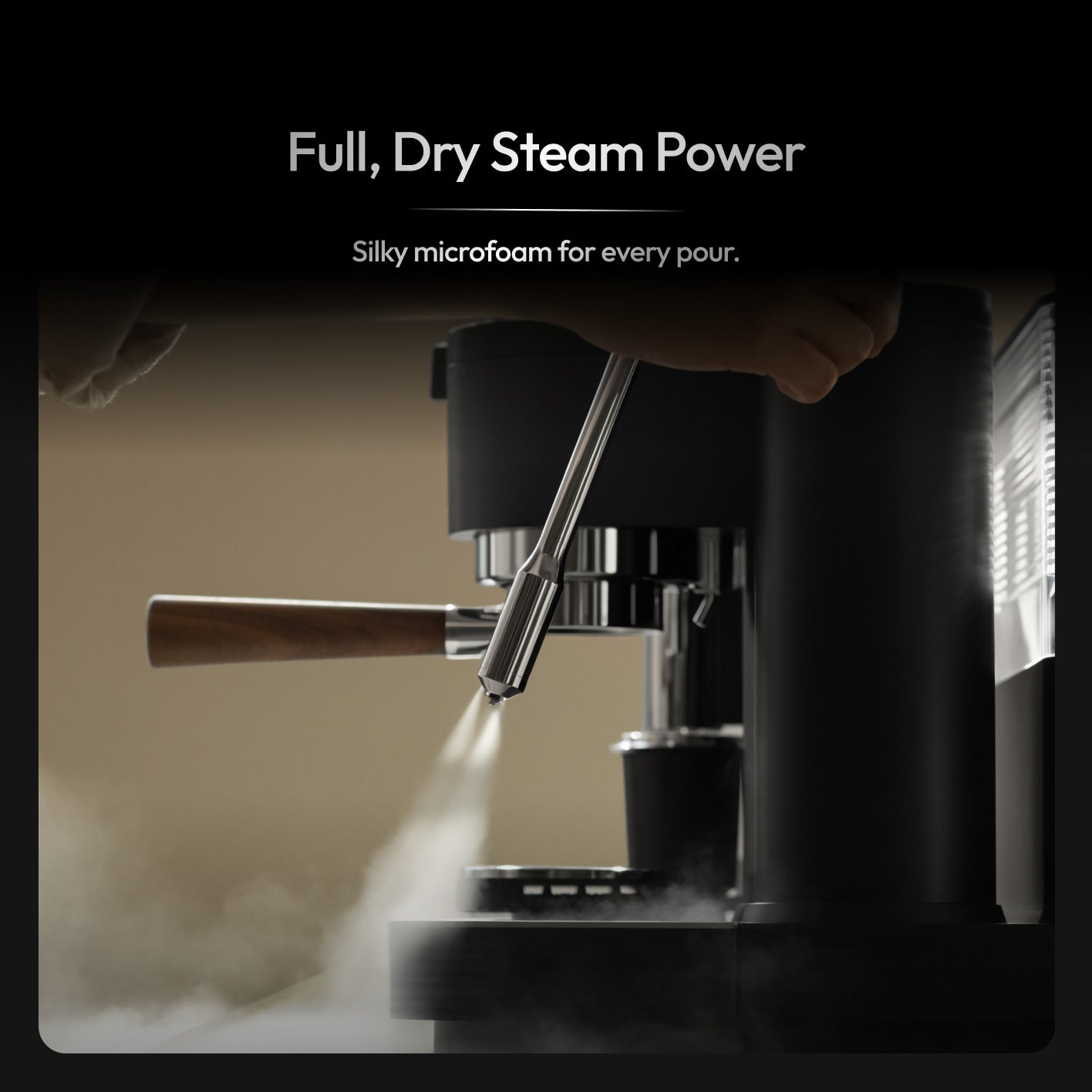
Purge the wand, keep the tip just under the surface for a short stretch, then bury it to texture—half-and-half thickens faster than milk.
Practical workflow: chill a clean pitcher; measure 4–6 oz (120–180 ml) cold half-and-half for a double-shot drink; purge steam; introduce a brief stretch (fewer seconds than milk); stop when the pitcher is hot to the touch but not painful, typically in the 140–150°F home window used for milk drinks. Tap out big bubbles, swirl to gloss, and pour. Overheating turns breve greasy and split. Industry milk-handling reading under Perfect Daily Grind’s milk tag and education notes from the SCA education hub reinforce gentle dairy treatment even though breve itself is a cafe menu convention.
Iced breve vs iced latte: skip steam. Pull espresso over ice, then add cold half-and-half (breve) or cold milk (latte). Keep ice measured so dilution does not gray the cup. Reuse glass habits from Meraki’s iced latte guide.
Comparison table
Use this narrow table when you are deciding at the counter or in your kitchen. Values are home starting points, not laboratory claims.
| Factor | Latte | Breve |
|---|---|---|
| Dairy | Milk (often whole) | Half-and-half |
| Approx. milkfat | ~3.25% whole | ~10–12% (check carton) |
| Typical dairy volume | 6–8 oz with a double | Often 4–6 oz; richness saturates sooner |
| Steam habit | Longer stretch window | Shorter stretch; easier to scorch |
| Calories vs same oz milk | Baseline | Higher (fat-driven) |
| Iced version | Espresso + ice + cold milk | Espresso + ice + cold half-and-half |
| Caffeine | By shot count | By shot count |
Meraki gear notes
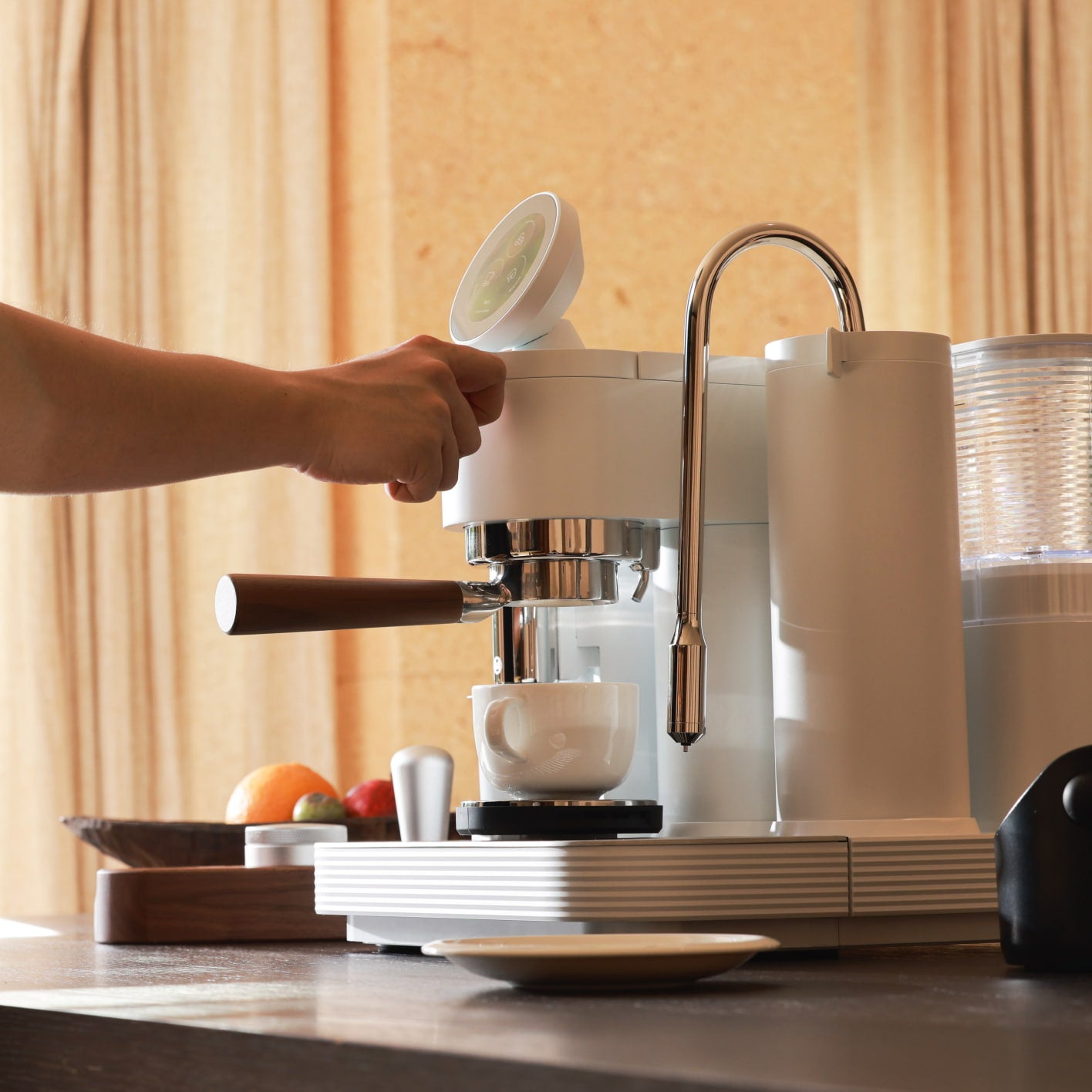
Half-and-half fails loudly when steam is wet or late. Dry steam and a responsive wand make it easier to stop before the dairy splits. Dual boilers keep brew and steam ready so you are not waiting while half-and-half warms in a sad microwave. Built-in scales keep the espresso side honest so you judge dairy, not a random shot. If that all-in-one workflow is what you are shopping for, view the Meraki espresso machine. Specialty references from SCA and Coffee Review stay useful for espresso fundamentals beneath any dairy choice. Bean character still matters—browse the beans collection when you want a roast that can stand up to rich dairy.
Conclusion
Choose breve when you want half-and-half richness; keep latte when you want everyday milk balance. Steam cooler and shorter for breve, watch calories by the ounce, and use iced breve when you want the same dairy cold. If you only needed thicker foam, order a cappuccino instead.
Practice measured shots under richer dairy with the Meraki espresso machine, or explore more drinks in coffee recipes.
FAQ
Is a breve sweeter than a latte?
Usually yes on the palate, even without syrup. Half-and-half tastes naturally sweeter and richer than steamed milk, so the same espresso recipe reads mellower in a breve. If you add flavored syrups, sweetness can equalize—then fat and body remain the main difference.
Does a breve have more calories than a latte?
Yes, for the same volume. Half-and-half carries more fat and calories per ounce than whole milk. Exact numbers vary by brand and pour size, so compare cartons in USDA FoodData Central rather than trusting a menu board. Espresso itself adds negligible calories.
Is an iced breve different from an iced latte?
Yes. An iced breve uses cold half-and-half instead of milk over espresso and ice. You skip hot steaming, keep the richer dairy, and watch dilution the same way you would with an iced latte. Foam is optional and thinner when cold.
Can I make a breve without a steam wand?
Hot breve needs texture, so a wand is ideal. Without one, heat half-and-half gently on the stove or microwave and whisk, or build an iced breve with cold half-and-half over espresso and ice. Texture will be looser than cafe microfoam.
Breve vs cappuccino—what is the one-line difference?
A breve is about dairy choice (half-and-half). A cappuccino is about foam structure in a small cup, usually with milk. You can make a “breve cappuccino,” but that is two rules stacked, not the default meaning of either drink.


