


The menu says blonde and you wonder whether that is a lighter roast, a secret extraction, or just marketing. In most cafes, blonde espresso is a roast decision first—especially where a large chain popularized the name.
This explainer defines what is blonde espresso, contrasts it with regular espresso, handles caffeine myths carefully, and shows how to dial light-roast shots at home. Bean shopping still starts with roast labels in the beans collection and roast literacy from the NCA roast guide.
What is blonde espresso?
Blonde espresso is espresso made from a lighter roast.
It is not a separate brewing method. You still pull a pressurized shot; the beans simply stop roasting earlier, so flavors stay brighter.
Large chains popularized “Blonde Espresso” as a branded lighter option beside a darker house espresso. Specialty shops may simply say light-roast espresso without the blonde word. Either way, you are choosing roast level and bean character. Coffee basics: NCA, Coffee & Health.
Blonde vs regular espresso
Roast color and flavor shift more than the machine path.
Regular cafe espresso often tastes deeper and sweeter in a chocolate register; blonde tastes lighter, citrusy, or floral when dialed well.
| Factor | Blonde / light espresso | Regular / darker espresso |
|---|---|---|
| Roast | Light to light-medium | Medium to dark common |
| Taste | Bright, tea-like, acidic | Caramel, cocoa, roast sweetness |
| Dialing | Easier to under-extract | Easier to taste baked if too dark |
| Crema look | Can look lighter | Often thicker brown crema |
| Caffeine | Not a guaranteed spike | Dose still rules |
Taste, roast, and caffeine claims
Caffeine myths outrun data on menu boards. Lighter roasts can retain slightly more caffeine by weight, yet a 18 g dose of either roast still dominates the outcome. Flavor differences are obvious; milligram differences are modest compared with adding a second shot. Use Harvard caffeine and NCA caffeine for general ranges. Sensory references from Coffee Review help you describe brightness without turning it into a medical claim.
How to make blonde espresso at home
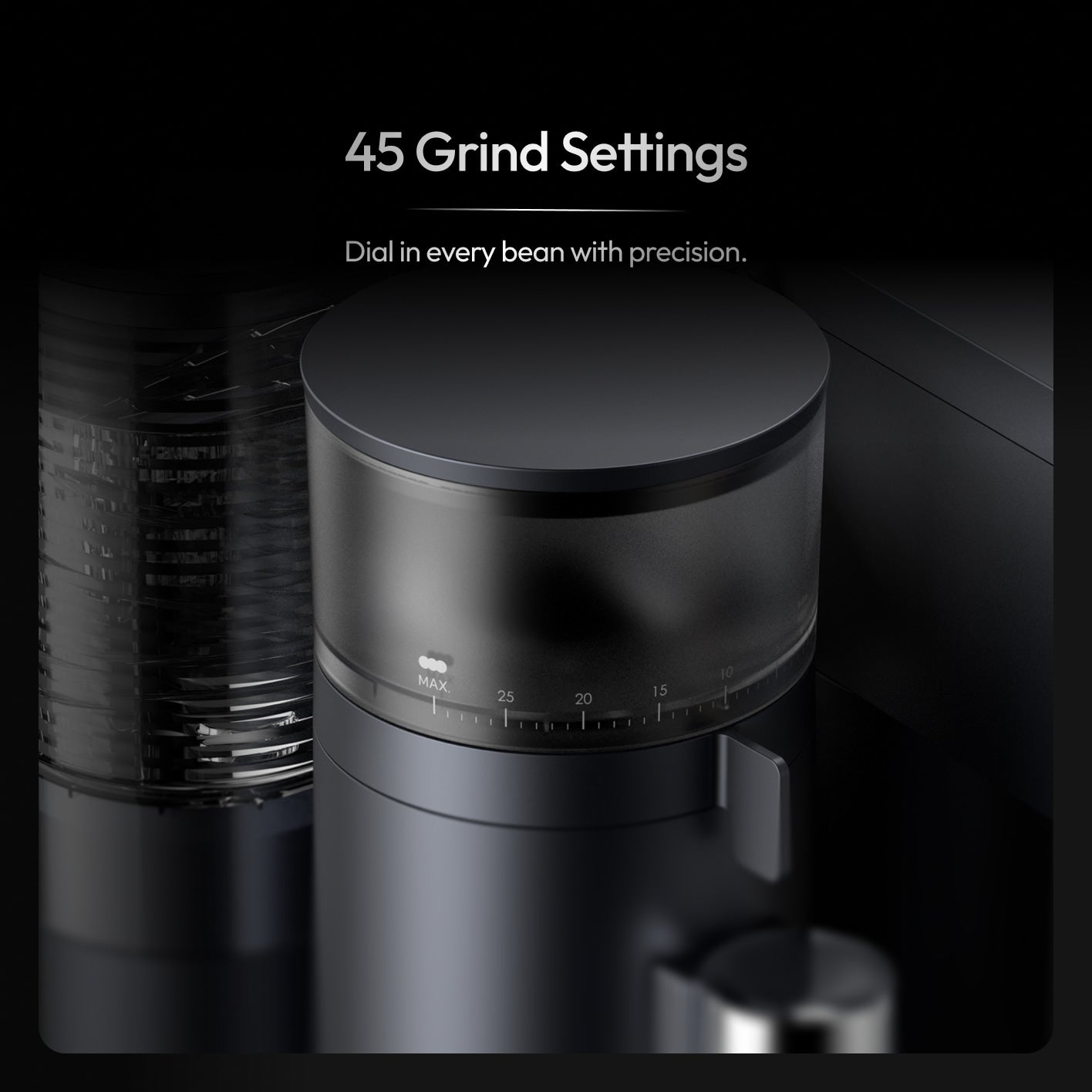
Grind finer than your dark-roast baseline, keep dose familiar, and taste for sweetness before chasing higher yields.
Light roasts show sourness quickly when channeling or underextraction happens. Distribute carefully, consider a slightly higher brew temperature if your machine allows, and stop near a classic 1:2 before experimenting with longer yields. If the shot is sharp, grind finer or extend yield a few grams. If it tastes papery, check freshness. Accessories that improve puck prep live in the accessories collection. Education notes from the SCA education hub reinforce measurement habits.
Common misconceptions
Blonde is not a pressure setting. It is not automatically “healthier.” It is not always higher caffeine in the cup you were served. Starbucks Blonde Espresso is a specific branded product; your local roaster’s light espresso may taste entirely different. Crema color alone does not prove roast level.
Meraki all-in-one angle
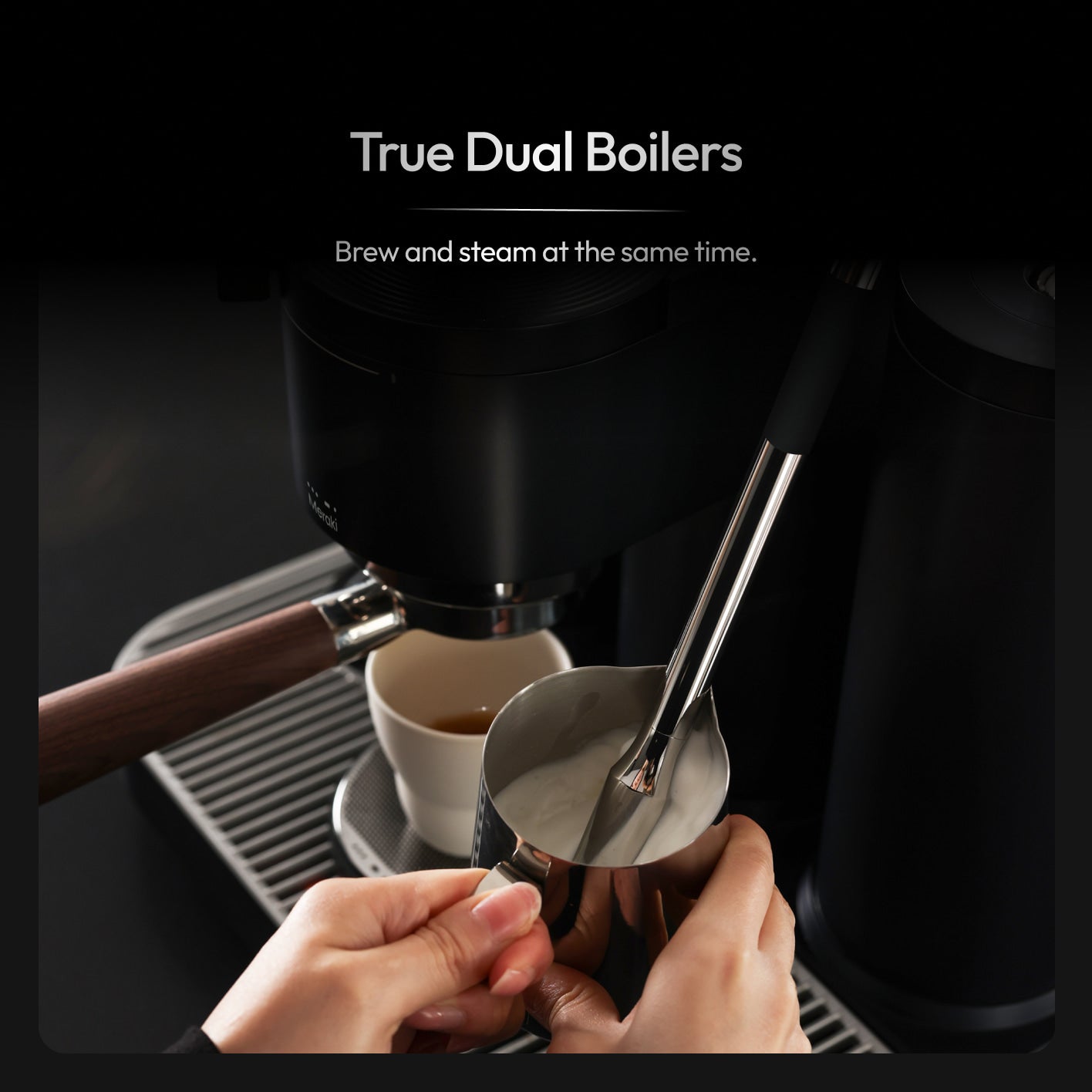
Light-roast espresso rewards stable temperature, even extraction, and weighed yields. Dual boilers, a steady pump path, and built-in scales shrink the chaos that makes blonde shots swing from juice to perfection. If you want that workflow, view the Meraki espresso machine. Keep broader learning in coffee knowledge and lifestyle context via Harvard on coffee.
Buying beans labeled blonde or light espresso
Roasters may print blonde, light espresso, Nordic roast, or simply a light Agtron-adjacent description. Ignore color photos alone; read tasting notes for citrus, stone fruit, or florals if that is the profile you want. Ask whether the bag is developed for milk drinks or for straight shots—some light roasts shine black and turn sharp under a lot of dairy.
At large chains, ordering blonde espresso usually swaps the house darker espresso for their lighter branded option in the same drink recipe. At specialty cafes, ask which light roast is on espresso bar and whether they recommend adjusting grind for milk drinks. Home roasting is optional and advanced; most readers will buy roasted beans and focus on dialing.
Water chemistry nudges brightness. Very soft water can make light roasts taste squeaky; very hard water can mute sparkle and scale machines. Use water that tastes clean and meets your machine manual’s guidance. Fresh grind immediately before brewing protects the delicate aromatics that made you buy blonde beans in the first place.
If blonde espresso tastes thin after a week of chasing finer grind, check basket cleanliness, screen clogging, and channeling. Light roasts reveal prep sins. A distributor or WDT tool from your accessories drawer often helps more than another bag of beans. Keep notes: when a shot finally tastes sweet, write dose, yield, and time before you lose the plot.
Milk drinks on blonde espresso
Blonde espresso under milk can taste tea-like and sweet when dialed, or thin and sour when underextracted. Start with smaller milk drinks—cortado or flat white—before building a large latte that hides the shot. If milk makes the drink taste hollow, improve the espresso first; dairy will not invent sweetness that extraction missed.
Chocolate sauces can clash with delicate florals; caramel may fit better, or skip syrup and let citrus notes show. Plant milks vary: barista oat can complement blonde espresso, while thin almond milks may taste chalky against bright acidity. Keep tasting in small cups until the combination makes sense, then scale volume.
Conclusion
Treat blonde espresso as light-roast espresso: brighter taste, similar machine path, and caffeine that still follows dose. Dial finer and taste for sweetness before believing menu caffeine folklore.
Dial light-roast shots with measured yield on the Meraki espresso machine.
FAQ
Does blonde espresso have more caffeine?
Sometimes slightly by mass for lighter roasts, but serving size and dose usually matter more. Do not assume a blonde shot is a large caffeine upgrade versus a regular espresso of the same dose.
Is blonde espresso just light roast?
In practice, yes—blonde espresso usually means a lighter roast used for espresso, not a different brewing machine mode. Some cafes also brand a specific blend under a blonde name.
Blonde espresso vs regular—how does taste differ?
Blonde leans brighter, more citrus or tea-like, and less roast-bitter. Regular espresso (medium-dark) tastes chocolatey, caramelized, and heavier. Preference is personal; dialing differs.
Can I make blonde espresso on any machine?
Yes if you can grind fine enough and keep temperature stable. Light roasts are less forgiving of channeling and underextraction. Scales and a consistent pump path help.


