


Two small cups, two foam philosophies. One asks for a painted microfoam surface; the other wants a springy foam cap you can see from across the bar. Confusing them is how home baristas end up with a sad latte in a cappuccino cup.
This comparison settles flat white vs cappuccino on foam, ratios, and mouthfeel, includes a latte row, and teaches both at home. It differentiates from Meraki’s existing latte vs cappuccino vs flat white by leading with foam engineering and a steaming checklist.
Quick verdict: flat white vs cappuccino
Flat white is silky microfoam; cappuccino is foam-forward.
Choose flat white for espresso-forward velvet. Choose cappuccino when you want a distinct foam layer in a classic small cup.
Same shots can build either drink. The steam wand technique and milk volume decide. Literacy: NCA, SCA.
Foam, milk, and mouthfeel
Cappuccino foam is thicker and can read “dry” on top with liquid milk beneath. Flat white microfoam is finer, glossier, and mixed through the drink so sip after sip stays consistent. Mouthfeel: cappuccino alternates foam and liquid; flat white stays creamy. Stretch (air) creates volume; texture (whirlpooling) polishes bubbles. Too much stretch makes cappuccino foam; restrained stretch plus polish makes flat white. Plant milks change the window—see steaming oat and plant milks and PDG milk tag.

Ratios and cup sizes (table with latte)
Use cup size as a guardrail. Oversized cups turn flat whites into lattes by accident.
| Drink | Shots | Milk volume tendency | Foam | Cup |
|---|---|---|---|---|
| Cappuccino | Often double | Moderate | Thicker foam layer | ~5–6 oz classic |
| Flat white | Double / ristretto | Less than latte | Thin microfoam | ~5–8 oz |
| Latte | Double | Highest milk | Thin foam paint | ~8–12 oz |
Calories track milk ounces—check dairy in USDA FoodData Central. Caffeine tracks shots; see Harvard/NCA caffeine pages linked elsewhere in this batch when you need ranges.
Taste and strength
Flat white usually tastes more espresso-forward at equal shots because milk volume and integrated microfoam showcase the coffee. Cappuccino tastes airier up top and milky underneath. Neither is automatically higher caffeine. Roast choice still matters for how bitterness reads through foam—NCA roast guide, Coffee Review.
How to make both at home
Shared path: purge wand, cold milk, tip position for stretch, then bury tip to texture, stop near 140–150°F feel, tap, swirl, pour.
Cappuccino: longer initial stretch for visible foam; keep cup small. Flat white: shorter stretch, emphasize swirl and glossy pour; keep milk modest. Pull espresso first so milk does not wait. Dual boilers help. Accessories pitchers: accessories collection. Beans: beans collection. Lifestyle context: Harvard on coffee.
Meraki gear notes
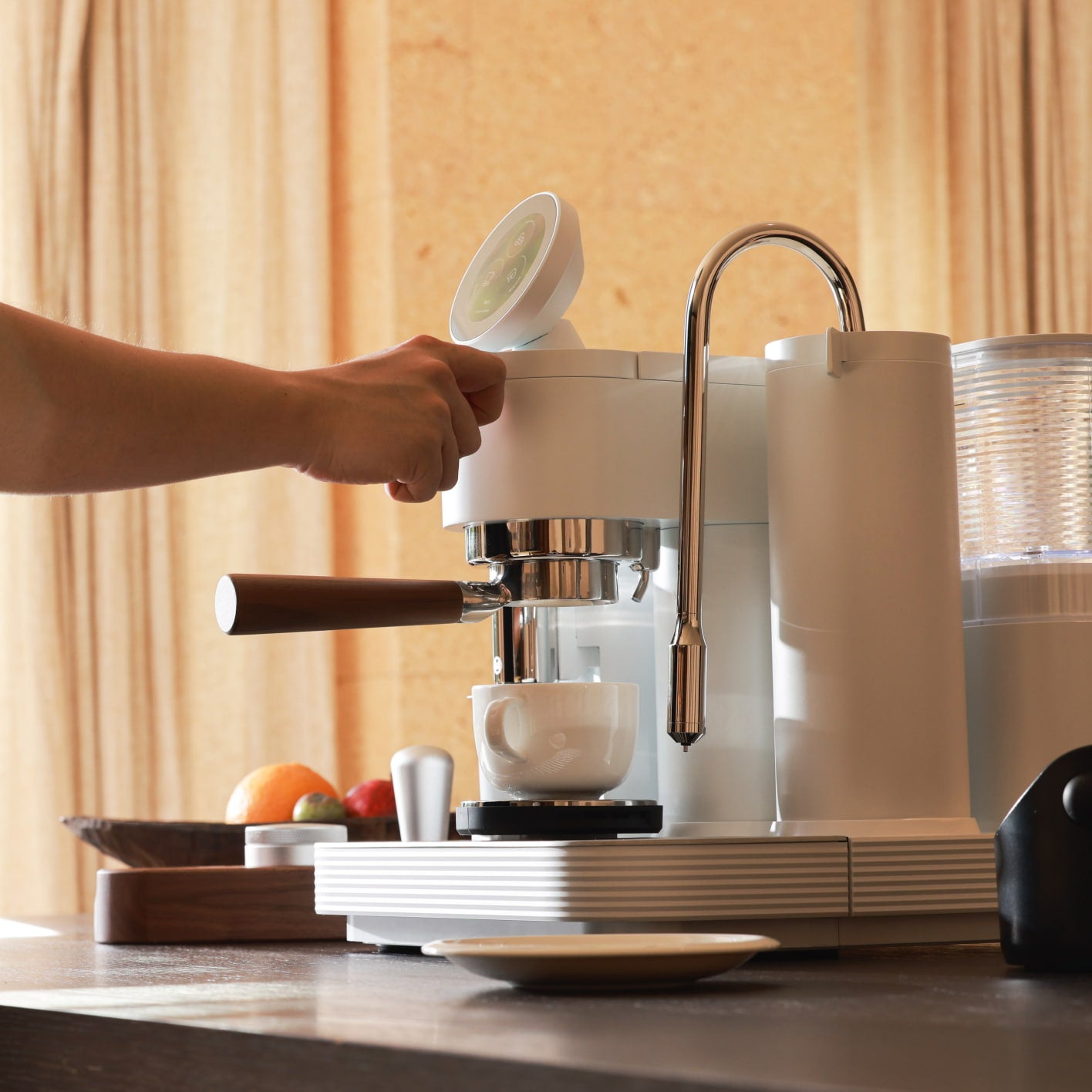
Dry steam and dual boilers are the practical advantage when you alternate foam styles in one morning. Scales keep the espresso side honest so you judge milk, not a random shot. Guided workflow shortens the learning loop. View the Meraki espresso machine if that is your shopping path, and keep the three-drink Meraki comparison at latte vs cappuccino vs flat white for adjacent reading. Education: SCA education, Coffee & Health.
Regional definitions and chain menus
Australian and New Zealand cafes helped popularize flat white as a distinct microfoam drink. Italian cappuccino tradition emphasizes foam structure in a small cup. US chains sometimes serve both in larger sizes that blur the line toward latte. When traveling, watch the foam and the cup, not only the chalkboard spelling.
Specialty bars may build flat whites on ristretto doubles for sweetness. Others use normale espresso. Neither camp owns the trademark of truth; both should still deliver integrated microfoam. If your home flat white tastes like a tiny latte, shrink the pitcher volume before buying a new cup. If your cappuccino foam collapses into watery milk, stretch longer at the start and keep the milk colder before you begin.
Latte art appears more naturally on flat whites and lattes than on dry cappuccinos because microfoam pours as a liquid canvas. Art is optional feedback: a clear pattern usually means foam is fine enough. Do not chase rosettas before you can make the drink taste right in ten silent sips.
Temperature discipline separates good foam from scorched milk. If the pitcher burns your hand, you likely passed the sweet window. Cooler, glossy milk beats hot, cooked milk in both drinks. Purge water from the wand before and after so you are not watering a cappuccino into gray foam or diluting flat-white silk.
Checklist before you pour
Cold milk, purged wand, warm cup, espresso already pulled, pitcher size matched to the drink. Decide cappuccino vs flat white before you stretch so you do not invent a hybrid foam by accident. Stop heating early, polish gloss, and pour with the cup tilted only if you are painting microfoam art.
If guests disagree on names, serve both side by side in identical cups with the same shots. The foam difference teaches faster than a speech. Clean the wand between drinks so cappuccino foam residue does not seed weird bubbles in the next flat white. That tiny habit keeps comparative tasting fair.
Conclusion
Pick cappuccino for a foam cap in a small cup; pick flat white for velvety microfoam and a denser espresso presence. Keep latte for larger milk volume, and steam on purpose instead of renaming whatever lands in the pitcher.
Practice both foam styles on the Meraki espresso machine, or browse more drinks in coffee recipes.
FAQ
Flat white vs cappuccino—which has more foam?
Cappuccino usually has more distinct, drier foam. Flat white keeps a thinner layer of glossy microfoam integrated into the milk. If your flat white has a stiff foam cap, it was poured more like a cappuccino.
Is a flat white stronger than a cappuccino?
Often it tastes stronger because less milk and silkier texture let espresso show through. Caffeine is similar if both use the same number of shots. Cup size still matters.
Flat white vs latte?
Latte uses more milk in a larger cup with thin foam. Flat white is smaller and denser with microfoam throughout. Think latte as longer and softer; flat white as compact and espresso-forward.
How to make a flat white at home?
Pull a double (or ristretto double), steam a modest milk volume to glossy microfoam without a thick dry cap, and pour to integrate. Keep the cup around 5–8 oz so you do not accidentally build a latte.
Why do cafes disagree on definitions?
Regional habits and chain menus diverged. Australia/NZ specialty roots, European cappuccino tradition, and US chain sizing all collide. Use foam style and cup size as your decoder when names conflict.


