


Checklist when the search is stainless steel coffee maker: (1) body vs carafe—what is actually stainless, (2) thermal carafe vs glass hot-plate habits, (3) cleaning plan for fingerprints and scale, (4) whether you secretly want espresso, not drip. Failure scene: a gorgeous steel pot that sits dirty, holds yesterday’s oils, and tastes dull by cup three.
SERPs for this term are thin on deep guides and heavy on product listings, so this page owns durability, taste, and care with a restrained bridge to stainless espresso machines. Machine guides hub: machine guides.
Who should buy a stainless steel coffee maker
Buyers who want a thermal carafe for desk sipping, fewer shattered glass accidents, or a less plastic-looking appliance.
Skip stainless obsession if you finish pots quickly on glass and already like that workflow.
Material preference is valid; it is not a flavor guarantee. Literacy: NCA, SCA.
Stainless vs glass carafe (and thermal)
| Carafe | Heat behavior | Durability | Taste watch-out |
|---|---|---|---|
| Glass + hot plate | Can cook coffee if left on | Breakable | Baked flavors over time |
| Stainless thermal | Holds heat without plate | Tough | Stale if held too long; preheat helps |
| Glass thermal (less common) | Insulated variants vary | Still glass risk | Visibility vs insulation trade |
All-metal coffee maker marketing sometimes emphasizes aesthetics; still verify brew temperature performance. Education: SCA education.
Durability, taste, and heat retention
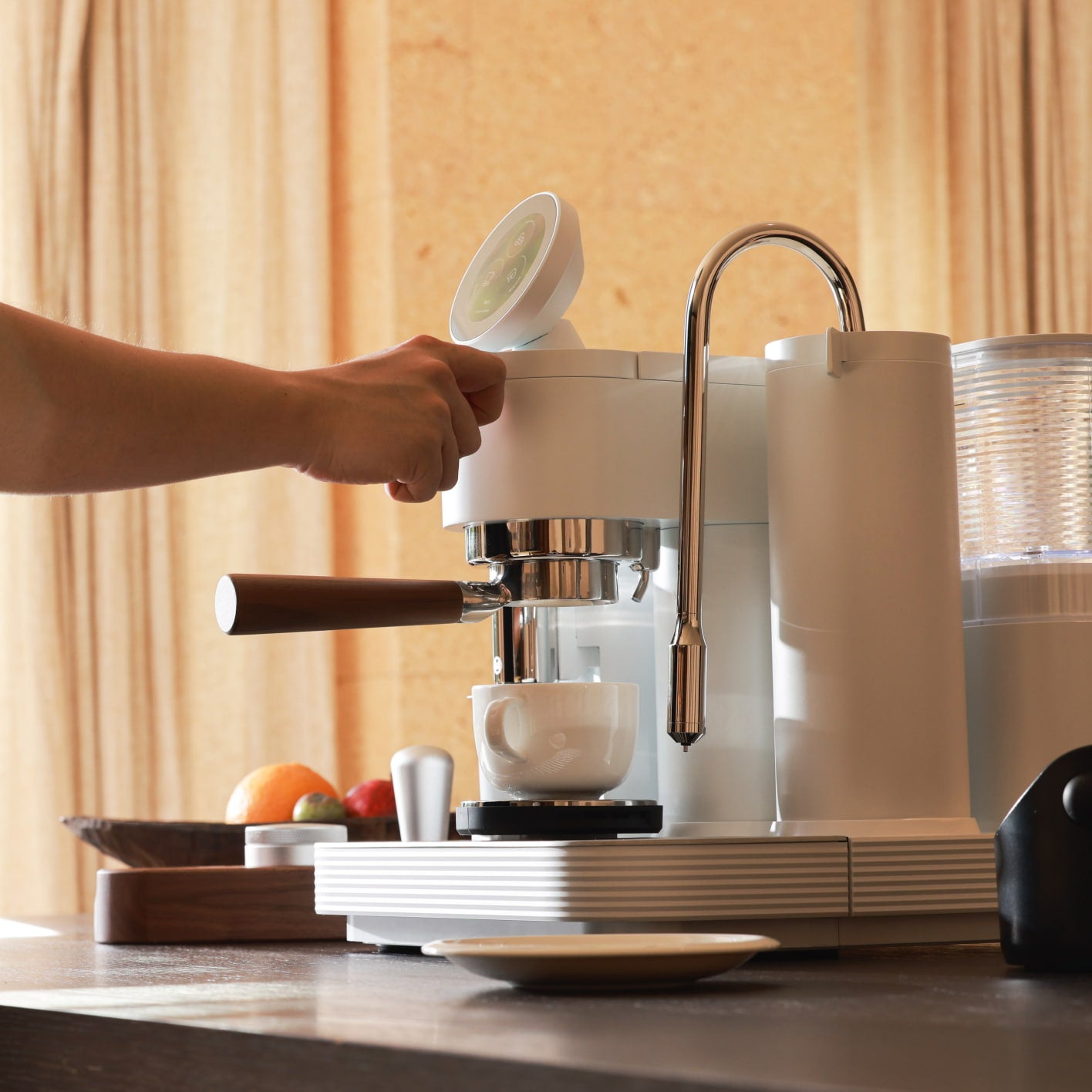
Stainless wins drops and years. Taste depends more on grind freshness, water, and brew temperature than on metal pride. Thermal carafes shine when you drink over an hour; they punish all-day holding. Water: CDC, EPA WaterSense. Habit: Harvard on coffee.
Care and cleaning
Fingerprint exteriors need soft cloths. Interiors need regular washing so oils do not varnish. Descale per manual when scale appears. Do not assume stainless is immune to mineral films. Composition context: Coffee & Health.
Must-haves vs nice-to-haves
Must: brew temperature suited to coffee, carafe that matches your sip pace, cleanable parts. Nice: mirror polish, designer silhouettes, plastic-free claims without brew proof. Parameter view: hold-time vs flavor fade matters more than gauge shine.
Budget tiers
Entry stainless often means a thermal carafe on an otherwise basic dripper. Mid tiers improve shower screens and temperature stability. High design-metal units charge for aesthetics—score function first. Beans still dominate: beans collection.
When an espresso machine is the better “stainless” buy (Meraki bridge)
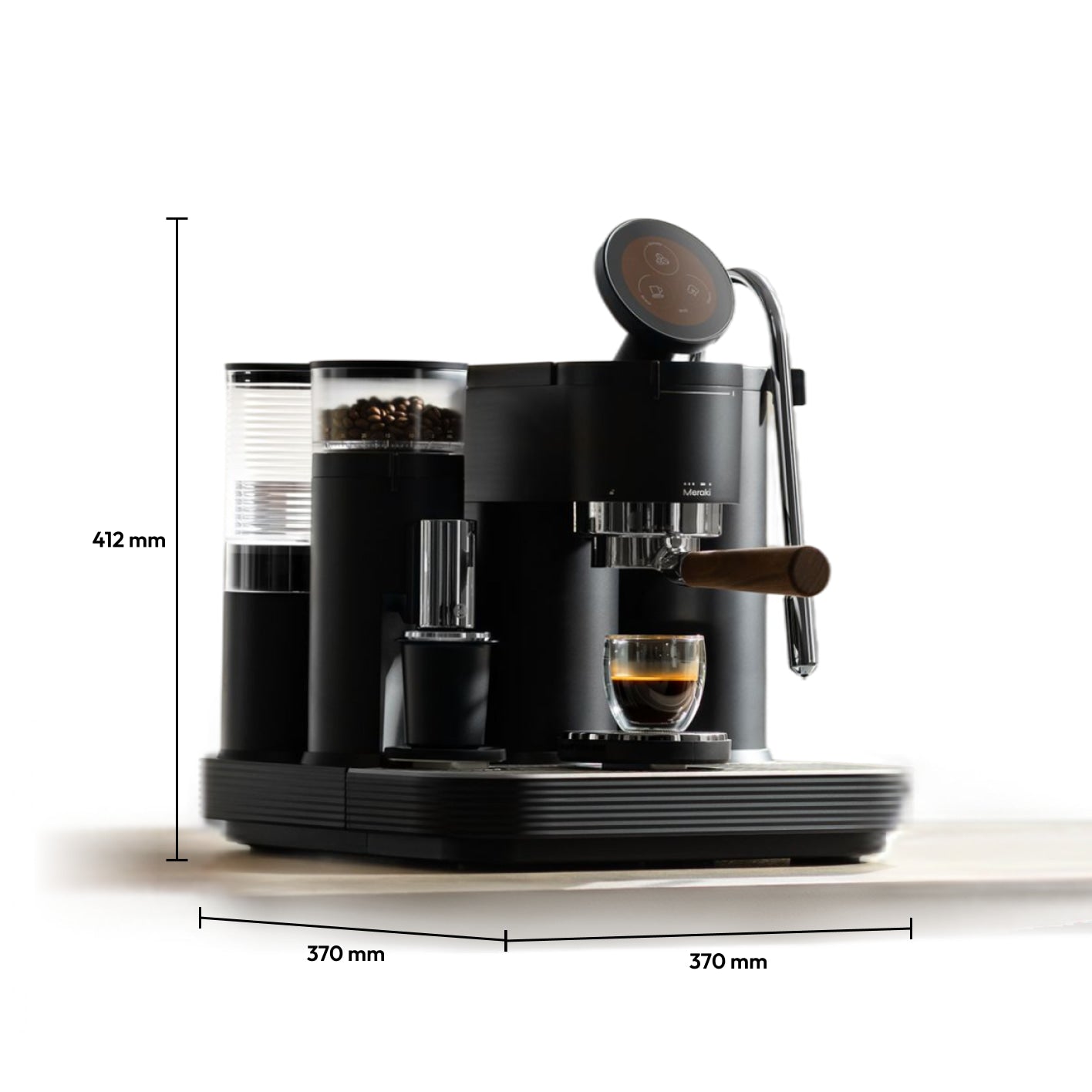
If your real craving is espresso drinks, a stainless drip carafe will not scratch it. Meraki’s chassis uses durable metal finishes in an espresso workflow with dual boilers, grinder, and scales—different job, honest bridge. Disclosure: Meraki is not a drip coffee maker. View the Meraki espresso machine. Accessories: collection. Sensory: Coffee Review; craft: Perfect Daily Grind; caffeine: NCA caffeine; nutrition habits: EatRight.
Mistakes to avoid
Leaving thermal coffee all afternoon and blaming stainless. Scrubbing with steel wool. Buying “stainless” when only the shell is metal and the brew path is neglected. Confusing espresso stainless machines with drip makers.
Depth: taste test protocol
Brew the same beans on glass hot-plate vs preheated thermal stainless. Taste at 10 minutes and at 60 minutes. Most people prefer thermal at 10–30 minutes and neither at three hours. Let that data, not marketing, pick your carafe.
Coffee makers stainless steel searches also catch commercial urns—home buyers should stick to consumer thermal carafes unless they truly host crowds.
Care calendar for stainless gear
Daily: rinse carafe, wipe exterior fingerprints with a soft cloth. Weekly: deeper wash, check lid seals, inspect for oil films. Hardness schedule: descale brew path per manual. Seasonal: check whether thermal vacuum still holds heat; aging carafes that cool fast may need replacement even if the exterior still shines.
Taste calendar: if coffee tastes metallic or dull, clean before replacing beans. If flavors fade only after forty minutes in thermal, you are seeing hold-time physics, not a defect.
Material marketing vs brew science: all-metal stories are fine; SCA-minded brewing still cares about temperature, grind, and ratio. Keep both brains on.
Espresso bridge again with restraint: stainless espresso machines share finish language, not extraction physics. If your order is latte, leave the drip aisle. Start at the Meraki espresso machine only after that honesty check.
Coffee maker with stainless steel carafe shoppers should preheat: fill with hot water, dump, then brew. That single habit improves many thermal cups more than any polish cloth.
Durability also means replaceable parts—lids, filters, gaskets. A sealed fashion object with no parts path is a future landfill candidate.
Material, method, morning
Stainless steel answers durability and thermal holding questions. It does not choose drip vs espresso for you. Start with method. If drip, decide glass vs thermal with the hold-time taste test. If espresso, evaluate boilers, grind, and steam—metal finish is secondary.
Care mistakes to photograph for your future self: abrasive pads that haze the interior; bleach adventures not in the manual; leaving wet grounds overnight; ignoring lid gasket mold. Stainless forgives drops better than glass; it does not forgive neglect.
All-metal / plastic-free preferences can be about values and aesthetics. Honor them after brew fundamentals pass. A plastic-framed machine that hits temperature can taste better than a steel sculpture that brews cool.
When bridging to Meraki, keep one sentence honesty: different appliance class, shared interest in durable materials and daily ritual. Then judge Meraki on espresso criteria only.
Buyer checklist you can print
What is stainless—body, carafe, or both? Thermal or glass? Hold-time target (30 minutes vs three hours)? Cleaning tools on hand? Descale chemistry approved? Brew method actually drip? If espresso, stop and change aisles. Parts available? Lid seal replaceable? Counter depth OK?
Score each line yes/no. Three or more noes means keep shopping. Material pride without a care plan is how stainless carafes become sticky museum pieces.
Taste still tracks beans and grind. Pair any carafe with fresher beans from a real roaster rotation (beans collection if you want curated options) before blaming steel.
Final bridge: stainless espresso appliances like Meraki share durable finishes and daily ritual energy with stainless drip gear, yet they answer pressurized drink cravings drip cannot. Choose after the checklist, not after a finish photo.
Conclusion
Choose stainless for durability and thermal sipping habits; choose glass if visibility and fast finish fit you; choose an espresso machine when pressurized drinks are the real goal.
If espresso is the destination, see the Meraki espresso machine; for broader appliance literacy, browse machine guides.
FAQ
Is stainless steel better than glass for coffee makers?
Stainless (especially thermal carafes) wins on durability and heat retention without a hot plate; glass wins on visibility and sometimes on not holding stale heat flavors as long. Better depends on whether you sip over hours or finish a pot quickly.
Do thermal carafes make coffee taste worse?
They can if coffee sits for a long time as aromatics fade, or if the carafe was not preheated. Freshly brewed coffee into a preheated stainless carafe often tastes better than coffee baking on a glass hot plate.
How do you clean a stainless carafe?
Rinse after use, wash with mild detergent, and use non-scratch tools. For stains or scale films, follow the maker’s guidance with appropriate cleaners—avoid abrasive pads that scar the interior.
Are all-metal / plastic-free makers worth it?
They can be if durability, aesthetics, and material preferences matter to you. They are not automatically better tasting. Score brew temperature and grind quality first.
Is a stainless espresso machine different from a stainless drip maker?
Yes. Shared material does not mean shared brew method. Espresso uses pressurized fine extraction; drip uses gravity and coarser grounds. Shop the method, not only the metal.


