


Your weekday espresso does not fail because you forgot the definition of retention. It fails when mornings grow a purge step, a wipe-down, a “why is shot one weird?” pause, and a quiet decision to accept flat first cups. For workflow optimizers, low retention espresso grinder why it matters is a time-and-friction question — not another lab essay.
This Meraki explainer is a workflow-impact guide: weekday mornings, simple home checks, and anti-static features vs cleaning habits. Soft-link Meraki’s Low-Retention Espresso Grinder: Why It Matters for dose math, staling, and pre-buy testing. Do not treat this as a rewrite of that page, an integrated-grinder checklist, a 45-settings dial-in, a TIMEMORE® collaboration explainer, a grind-by-weight daily setup, or dual-boiler buyer filters.
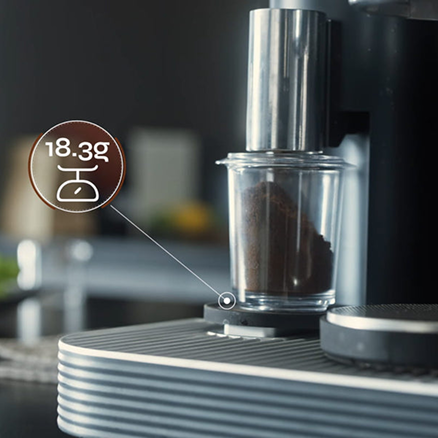
Workflow impact shows up as fewer morning detours between “beans in” and “honest dose in the basket.”
What “low retention espresso grinder why it matters” really means for home buyers
“Low retention espresso grinder why it matters” in search often lands Meraki’s mechanism guide, stale-first-shot forums, “best zero retention” roundups, and videos that define retention without timing a weekday. For a workflow optimizer it means: if grounds linger in the path, which minutes, steps, and taste surprises show up between power-on and the cup you drink?
Retention is coffee left in burrs, chute, or chamber so the next dose includes leftovers. Low retention (sometimes “near-zero”) means a short path that delivers most of what you grind. Anti-static design is related but not identical: it reduces cling and mess that look like retention and can skew weight. Barista Magazine’s retention overview stresses freshness and consistency; this page asks what that does to a Tuesday morning.
Treat the keyword as station choreography. Literacy from the Specialty Coffee Association and CoffeeGeek’s guides beats a “zero retention” badge with no morning plan.
Who this page is for (and who should skip it)
This page is for workflow optimizers — busy home baristas who already grind espresso and want fewer purge rituals, cleaner bean switches, and a first shot that is not a warm-up tax.
Skip Meraki’s why it matters page if you need dose math, staling chemistry, or pre-buy test protocols — it owns those jobs. Skip an integrated-grinder buyer checklist, 45 grind settings dial-in, TIMEMORE® collaboration explainer, grind-by-weight daily setup, and dual-boiler buyer filters. Skip how to reduce coffee grinder static if you only want static tricks; stay here for: how does low retention change weekday flow, and what must I still clean?
Why this is workflow impact (not another why-retention-matters essay)
Search already defines retention, measures grams, and lists “zero retention” grinders. Meraki’s live why-it-matters guide already owns dose honesty, staling, first-shot taste, bean crossover, cleaning drift, retention-vs-speed trade-offs, and grind-by-weight partnership. Roundups own shortlists; forums own anecdotes.
The unique job here is workflow impact: weekday sequence, simple home checks that diagnose flow (no competitor gram charts), and anti-static features vs cleaning habits. Disclosure: Meraki publishes this guide and sells the Meraki Espresso Machine. Live product framing (2026-10-26/27 snapshot): burr grinder co-developed with TIMEMORE®, grind-by-weight / auto-dose onto dual scales near ±0.2 g, 45 grind settings. Meraki’s retention guide also frames low-retention with anti-static delivery — soft-link that page; this article invents no competitor retention-gram charts.
Core idea in plain language
Low retention matters at home because it removes hidden steps. High retention turns a session into grind → maybe purge → weigh → notice drift → wipe cling → distrust shot one. Low retention collapses toward: grind what you meant, transfer cleanly, brew.
Picture the grind path as a hallway. A long sticky hallway stores yesterday’s traffic; a short dry one empties. Static is the carpet crumbs cling to; retention is crumbs still there for the next guest. Anti-static helps crumbs release; cleaning empties the hallway. Neither replaces the other.
NIST reminds you a “zero” claim without a defined test is marketing language — but weekdays need a half-awake sequence, not a lab. National Coffee Association brewing context still applies. For gram methods and staling detail, use Meraki’s why it matters page.
How it shows up in a weekday workflow
On a high-retention path, weekday mornings accumulate theater: a discard dose, a pre-shot brush, or a first latte flatter than the second. Bean switches become “tomorrow’s problem.” Static mess adds a wipe between dose and tamp. Alone, each step is small; together they steal the buffer you needed to leave on time.
On a low-retention path, the sequence stays closer to café logic without café staff: warm up, grind to target, transfer, tamp, brew, steam, wipe. First dose can taste like the beans you loaded. Bag-rotating households get fewer mystery cups after a switch — with a quick brush still wise, not a teardown.
| Weekday moment | High-retention friction | Low-retention workflow impact |
|---|---|---|
| First dose after overnight sit | Purge or accept flat shot one | Less purge theater; first cup closer to recipe |
| Weighed dose | Scale hits target with stale mix inside | Grams closer to “fresh coffee delivered” |
| Bean switch day | Dark roast ghosts into light roast | Cleaner cup identity; brush still helps |
| Counter cleanup | Static cling + chute dust every morning | Less mess if anti-static + habits cooperate |
| Leaving for work | Extra 60–120 seconds of ritual | Minutes return to milk or just leaving |
Exact seconds vary. The point is directional: retention taxes sequence reliability, not only flavor essays. If you still need a locked grind-by-weight habit, Meraki’s dual-scales explainer and daily-setup drafts own that lane — here we only note that low retention makes those habits less theatrical.
What to verify on the machine or listing
You do not need an invented competitor retention chart. You need listing and home questions that predict workflow.
Ask whether the brand names a short grind path, single-dose or low-hold design, anti-static language (and what it means), and whether dose is weighed or timed. Ask whether chute access is honest — “zero retention” with an inaccessible chute is a future mess tax. Ask about a dosing cup or transfer aid (Meraki shows a dosing cup among accessories — re-check the product page and dosing cup the week you buy).
| Verify | Why it changes weekday flow | What not to invent |
|---|---|---|
| Path / retention language | Predicts purge needs | Fake “0.0 g vs Brand X” tables |
| Anti-static claim | Predicts mess and cling | Equating static = retention forever |
| Dose method (weight vs time) | Predicts whether drift is visible | Assuming timed dosing hides retention |
| Chute / brush access | Predicts whether habits are realistic | Assuming design never needs cleaning |
| Transfer aid (cup / funnel) | Predicts counter cleanup time | Ranking every competitor’s kit |
During a trial, prefer workflow checks over trophy numbers: consecutive morning doses without a purge, shot one vs shot two, and a bean-switch day with only a quick brush. For formal weigh-in / weigh-out method, soft-link Meraki’s why it matters testing section — do not clone it here.
Tradeoffs and limits
Low retention is not a fix for bad beans, skipped warm-up, or a dirty steam wand. Some designs chase lower retention with airflow or bellows theater that adds mess. Some “near zero” claims assume a purge the listing never mentions. Anti-static features help cling; they do not dissolve oils that cake a chute after dark-roast weeks.
| What you gain | What you still own | What this page will not claim |
|---|---|---|
| Fewer purge steps | Brushing and scheduled cleans | Competitor retention-gram scoreboards |
| Cleaner bean switches | A quick brush between bags | “Never clean again” |
| Less first-shot tax | Full thermal warm-up still matters | Lab certificates for every brand badge |
| Cleaner counters (with anti-static) | Humidity and roast still affect cling | Static tricks as a full retention fix |
Meraki limits: product-page facts (TIMEMORE® co-developed burrs, grind-by-weight onto dual scales ±0.2 g, 45 settings) are vendor-published on espresso machine with grinder. Retention/anti-static wording lives on Meraki’s retention guide — verify both the week you buy. No invented third-party retention grams.
Mistakes that waste time
The expensive mistakes are workflow mistakes. Purge theater as identity — discarding a dose every morning because a forum said so — wastes coffee when a low-retention path (or one overnight first-shot test) would show you do not need it. Treating anti-static as cleaning — skipping brushes because the listing said “anti-static” — lets oils rebuild retention while the counter looks cleaner. Meraki’s grinder chute cleaning and bean hopper care pages own maintenance depth; here the mistake is believing features cancel habits.
Chasing zero on a chart while ignoring transfer mess, timed dosing drift, and inaccessible chutes wastes shopping time. Blaming retention for thermal unreadiness wastes dial-in mornings — dual boilers still need honest heat. Rewriting the whole recipe every time shot one tastes odd, instead of checking leftovers in the path, turns a two-minute brush into a weekend spiral. Follow manual / UL-sensible electrical hygiene — invent no wet-cleaning shortcuts.
A simple decision or setup checklist
Answer yes/no before you call retention “solved”:
- I am judging workflow impact, not rewriting Meraki’s why it matters mechanism page.
- I know anti-static ≠ low retention; I still have a cleaning habit (static guide + chute care).
- My weekday sequence does not depend on a mandatory purge (or I have tested that I still need one).
- I can run a simple home check: consecutive morning doses / shot one vs shot two without inventing competitor charts.
- Dose control is visible (grind-by-weight / a scale) so drift is not invisible — without turning this page into a grind-by-weight setup manual.
- Bean switches get a quick brush, not a weekend teardown by default.
- Listing claims name path / anti-static / cleaning access in language I can verify live.
- For Meraki specifically, I re-check TIMEMORE® co-developed burrs, grind-by-weight onto dual scales ±0.2 g, and 45 settings on the product page, and retention/anti-static framing on the soft-linked guide.
- Trial / return / warranty paths are clear if the morning flow fails my contract — shipping, refund, warranty.
Five or more “yes” answers usually means adult retention literacy: features plus habits. Three or fewer — especially “zero retention” with no brushing — means fix the sequence before buying another adjective. Support: +1 833 854 9555 (Mon–Fri, 9 AM–5 PM EST) via support.
How this connects to Meraki’s dual-boiler system
Dual boilers solve a different weekday tax: brew heat vs steam heat. Retention solves a grind-path tax: leftovers vs your recipe. Excellent boilers still frustrate mornings if the mill contaminates dose one; a clean path still frustrates mornings if the machine is not thermally ready for milk drinks.
Meraki’s integrated story (vendor snapshot): dual boilers plus a TIMEMORE® co-developed burr path that grinds by weight onto dual scales near ±0.2 g, in a guided grind → brew → steam sequence on the espresso machine with grinder page. That is a workflow pairing — heat independence beside dose honesty — not proof every dual-boiler mill is low-retention, and not a pass to skip chute care. Soft-link Meraki’s retention guide for path claims; use how Meraki’s dual scales work when the question is scale hardware, not retention minutes.

Dual boilers and a low-friction grind path answer different weekday taxes — heat fights vs leftover fights.
What is the 30 second rule for espresso?
It is a shot-time rule of thumb — not a retention fix.
Home baristas often treat ~25–30 seconds (from pump start or first drops, depending on who taught you) as a familiar timing band for a typical double. It is a heuristic, not a law: ratio, grind, dose, and taste outrank the clock. Retention still matters because leftovers change effective fresh dose and can make the same grind setting run fast or slow — so the “30 second” cup becomes noisy. Soft lane: lock taste and weighed dose/yield first; do not purge endlessly “to hit 30.” Deeper mechanics: Meraki’s why it matters page.
Why is Costco removing coffee grinders?
Warehouse bulk grinders are not espresso dial-in tools.
PAA noise about Costco removing floor coffee grinders is about club bulk grinding for drip bags — store operations and maintenance — not home espresso retention specs. Soft-handle only: a shared warehouse grinder is the opposite of a low-retention weekday espresso station. It will not hold fine espresso settings, protect your bag from the previous customer’s oily roast, or replace a dedicated burr path. For Meraki / home workflow, judge your chute, anti-static claim, and cleaning habit — leave club-floor politics alone.
Conclusion
Home baristas care about low retention because it buys back weekday minutes and first-cup honesty, not because the definition is fashionable. Keep Meraki’s why it matters page for mechanics and tests; use this page for workflow impact — morning sequence, simple home checks, and anti-static features versus cleaning habits. Pair a clean grind path with honest heat (dual boilers when milk drinks matter), visible dose control, and habits you will keep.
When you want that pairing in one guided station, review the espresso machine with grinder page and the Meraki Espresso Machine — then verify claims the week you buy. Questions: support or +1 833 854 9555 (Mon–Fri, 9 AM–5 PM EST).
FAQ
Is “near zero retention” the same as never cleaning? No. Near-zero or low-retention design reduces what the path holds between doses; oils and fines still build up. Anti-static features cut cling and mess but do not dissolve residue. Keep a light chute brush habit and use Meraki’s chute / hopper care guides for maintenance depth. Design lowers the tax; habits keep it low.
Do anti-static features replace a low-retention grind path? No. Static is cling; retention is leftovers in the path. Anti-static helps grounds release; a short path keeps tomorrow’s dose mostly today’s coffee. Prefer both on a listing when you can — then verify with a weekday first-shot check, not a forum chart. Soft-link Meraki’s static reduction guide for cling tactics.
Can I measure retention at home without lab gear? Yes, simply: weigh intended vs landed dose, compare consecutive morning doses, and taste shot one vs shot two after an overnight sit — no fake competitor grams. Meraki’s why it matters page owns a fuller weigh-in method; here you only need the workflow diagnosis: purge needed, and did shot one taste like leftovers?
Does grind-by-weight make retention irrelevant? No. A scale can stop at the right number while that number still includes stale exchange grounds. Low retention makes weighed doses honest; grind-by-weight makes targets visible. Together they shorten weekday chaos. Hardware and daily-setup pages own the scale ritual — this FAQ is not a full grind-by-weight manual.
Where should I start if my mornings feel “retention heavy”? Run one purge-free first-shot test after an overnight sit, brush the chute, and note shot one vs shot two. If purge theater is mandatory every day, retention (or cleaning neglect) owns your workflow. Decide whether you need better path design, better habits, or both — not another unrelated gadget. Meraki support: +1 833 854 9555 (Mon–Fri, 9 AM–5 PM EST).


