


Typical home-machine loads, without inventing a wattage sheet
An espresso machine draws the most current while it is heating, not while it is sitting idle.
Boilers and heating elements can request a large share of a household outlet for a few minutes at a time. The exact figure belongs on the nameplate and the official specification sheet, not in a blog table of invented wattages. This page will not publish a substitute electrical schedule for every brand.
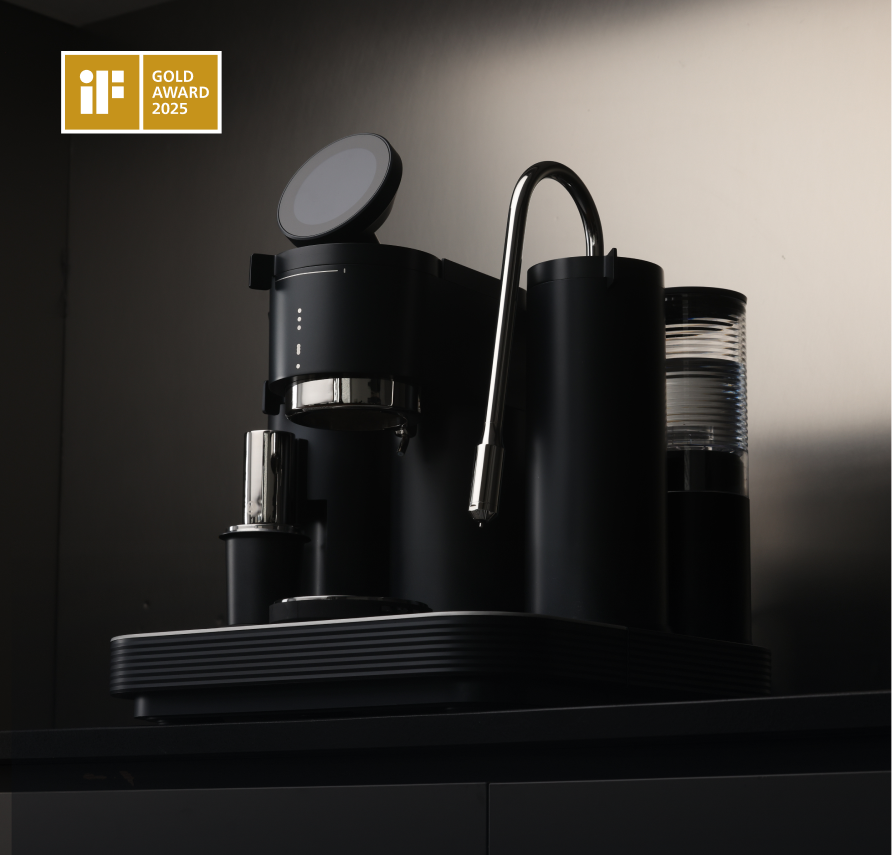
As one example, the live Meraki espresso machine product page listed a rated power of 1,600 W on 23 November 2026 (Asia/Shanghai). Recheck that page and the sticker on the machine. Meraki also ships more than one voltage version, which changes how that wattage appears as current; the dedicated guide to espresso machine voltage and plugs is the place for region and plug questions. This article is about circuits, outlets, and tripped breakers in a home kitchen.
Energy cost over a day is a different question. If you want standby and warm-up math, use Espresso Machine Energy Use: Standby, Warm-Up, and Savings. Here the practical issue is whether the outlet and the breaker can host the machine without a nuisance trip — or a real safety problem.

Why a 15-amp kitchen circuit can already be busy
A typical U.S. 15-amp, 120-volt kitchen circuit is a shared budget, not a private feed for one appliance.
During heat-up, a machine in the mid-thousand-watt range can already occupy a large part of that budget. The rest may already be taken by a toaster, a kettle, a microwave, or a dishwasher on the same breaker. You cannot see the sharing from the face of the outlet. The evidence shows up when two heating appliances start at once and the breaker opens.
General consumer energy and safety overviews such as Energy.gov and the ENERGY STAR site are useful for thinking about household electricity. They will not size a circuit for your kitchen. If you need a dedicated branch circuit, that is a job for a licensed electrician who can see the panel and the local code.
GFCI outlets: what they are for, and nuisance trips
A GFCI outlet is there to cut power when it detects a ground-fault imbalance.
In a kitchen, that protection is a feature, not an insult to the machine. Heating appliances, steam, and occasional splashes are exactly why kitchens use ground-fault devices. A trip can still be a nuisance if the machine, a damp plug, or another load on the same device keeps pushing the GFCI past its threshold.
Do not tape a GFCI reset or replace a required outlet with a plain receptacle to “stop the nuisance.” If the device trips repeatedly, unplug the machine, dry the area, and treat repeated trips as a reason to stop and get advice. The NFPA home fire safety pages and Ready.gov home fire guidance are general household safety starting points; they are not a diagnosis of your outlet.

Shared circuits with toasters, kettles, and microwaves
The second appliance is often the real reason the breaker opens.
If the machine warms up fine at 6 a.m. and trips when someone starts a kettle or a toaster on the same side of the kitchen, the circuit — not the espresso machine — is the crowded part of the story. Try the obvious isolation test: run the machine on its own, then notice which second appliance coincides with the trip. That is information for you or an electrician, not a license to keep resetting a breaker while everything stays plugged in.
Breakfast is the fault scene because several heating tools wake up together. A staggered routine (let the machine reach temperature before the toaster) can be a temporary workaround. It is not a redesign of the kitchen.
Extension cords and power strips: what not to do
Do not run a high-draw espresso machine on a light-duty cord or a stuffed power strip.
The official manual and the nameplate assume a suitable wall outlet. Long, thin extension cords and household power strips are a common way to add heat, voltage drop, and a loose connection. If the only outlet is too far away, that is a placement or wiring problem, not a cord problem.
Workplace electrical-hazard overviews such as OSHA’s electrical topic page exist for job sites, not for remodeling your breakfast bar. The useful takeaway for a home is still conservative: keep the cord dry, unobstructed, and short, and use the wall outlet the manufacturer expects. If you cannot reach one safely, stop and change the plan.
Signs your circuit, not the machine, is the problem
A machine that works on one outlet and fails on another is asking you to look at the room.
Useful clues include a breaker that opens only when a second heating appliance starts, a GFCI that resets and then holds if the machine is alone, a plug or plate that feels hot, or lights on the same circuit that dip when the boilers come on. A machine that will not heat on any outlet, or that shows its own error states, is a product issue — start with the manual and Meraki support, and with the Meraki FAQ for official setup questions.
A hot plug, a burning smell, scorch marks, or a breaker that will not stay on are stop-use conditions. Unplug if you can do so safely and get qualified help. Do not keep resetting a breaker to finish a shot.
| What you notice | More likely a circuit or outlet issue | More likely a machine or setup issue |
|---|---|---|
| Trips only with a kettle or toaster running | Shared, already-busy breaker | Less likely if the machine is otherwise normal |
| Works on one kitchen outlet, not another | GFCI, loose receptacle, or a different branch | Possible, but try a known-good outlet first |
| Hot plug, odor, or scorch marks | Stop and get an electrician | Stop anyway; do not isolate this at home |
| No heat, error codes, or the same failure on every outlet | Less likely if other appliances on that outlet are fine | Check the official manual and support |
Renters: what you can check without rewiring
You can inspect and rearrange. You usually cannot rewire.
Look at whether the outlet is a GFCI, whether the plug seats firmly, whether the cord must cross a sink or a walkway, and whether the machine shares a visible kitchen circuit with a toaster or microwave. You can move the machine to a closer outlet, avoid extension cords, and change which appliances run at the same moment. You should not replace outlets, add a subpanel, or defeat a GFCI.
If the apartment cannot host the machine without a work-around cord, talk to the landlord or choose a different location rather than improvising a feed. A polite question about which kitchen outlets share a breaker is reasonable. Opening the panel is not a renter project.
When to talk to an electrician
Call a licensed electrician when the room, not the recipe, is the constraint.
That includes repeated breaker or GFCI trips you cannot explain by a second appliance, warm outlets, any scent of hot plastic, a planned dedicated circuit, or a remodel that will move the coffee station to an island or a garage. Ask them to look at the actual panel and the nameplate current and voltage. This article is not a wiring diagram and not permission to add a circuit yourself.
Building-code organizations such as the International Code Council publish the rulebooks professionals use; they are not a DIY checklist. Your electrician will apply the code that governs your house.
A pre-purchase electrical checklist
Confirm the outlet story before the carton arrives, not after the first trip.
Write down the voltage version you are buying, the nameplate wattage on the official page, and which kitchen appliances already share the nearest outlet. If the honest answer is “we only have a power strip on the island,” fix the outlet plan first.
- Match the machine’s official voltage and plug to the country and the receptacle you will use.
- Read the rated power on the live product page and on the nameplate after delivery; do not copy a number from memory.
- Identify what else already runs on that kitchen circuit, especially kettles, toasters, and microwaves.
- Plan a dry, short path to a wall outlet, with no light-duty extension cord.
- If you already know the circuit is crowded or the outlet is far away, talk to a licensed electrician or change the location before you buy.
Conclusion
Most home espresso machines ask a lot of a kitchen circuit only in short heating bursts, but those bursts can already fill a busy 15-amp outlet. Check the live nameplate and product page, keep the machine on a suitable wall receptacle, and treat repeated trips, hot plugs, or a missing outlet as a reason to call an electrician. Verify current Meraki figures on the product page and use the voltage and energy articles for the questions they already own.
FAQ
Can an espresso machine trip a 15-amp breaker?
Yes. During heat-up or steam, the machine can draw a large share of a 15-amp kitchen circuit, especially if a kettle, toaster, or microwave is already on the same breaker. Repeated trips are a reason to stop and review the circuit, not to keep resetting the panel.
Can I plug an espresso machine into a GFCI outlet?
Often yes, and in many kitchens that is the receptacle you have. A GFCI is there to interrupt a ground fault. If it trips repeatedly, unplug, dry the area, and get advice rather than replacing the GFCI with a plain outlet.
Is it safe to run an espresso machine on an extension cord?
It is a poor plan. Use the wall outlet the manufacturer expects. Light-duty cords and crowded power strips add heat and voltage drop. If the outlet is too far away, move the machine or talk to an electrician.
Does a home espresso machine need a dedicated circuit?
Not every kitchen requires one, but a busy shared 15-amp circuit may not be enough once other heating appliances are included. Only a licensed electrician can decide whether a dedicated branch circuit is appropriate in your panel.
Where do I find Meraki’s electrical specifications?
Start with the live product page and the nameplate on the machine, then the voltage-and-plugs guide for regional versions. This article does not replace those official figures, which can be updated.


