


Side-by-side definitions: a matcha latte is tea + milk; matcha coffee / dirty matcha adds espresso to that world. Concrete case: Home cook A dumps espresso into clumpy matcha powder and gets sludge; Home cook B whisks matcha smooth first, pulls a weighed shot, then layers or mixes with intention—and finally tastes balance instead of bitterness fighting grit.
Caffeine deep-dives stay on the companion page. Recipe hub: dirty matcha latte with espresso; coffee recipes; caffeine: matcha vs coffee for energy.
Direct answer: what matcha coffee is
Matcha coffee is a combined drink of prepared matcha and espresso, often finished with milk.
“Dirty matcha” usually signals the espresso addition, especially in iced layered form.
It is a recipe, not a new bean species. Literacy: NCA, SCA.
Ingredients and espresso dose
Matcha powder (start ~1–2 g), a little hot water not at a rolling boil for whisking, espresso (single or double), milk of choice, ice optional. Espresso should taste intentional black before you hide it in tea. Education: SCA education.

Step-by-step recipe
1) Sift and whisk matcha with a small amount of hot water until smooth. 2) Pull espresso. 3) For iced: add ice and milk to a glass, pour matcha, then float or pour espresso for layers. 4) For hot: combine matcha, espresso, and steamed milk, swirling to integrate. 5) Taste; adjust matcha grams or shot volume next round. Water: CDC, EPA WaterSense.
Ratio table
| Component | Starting point | Adjust if |
|---|---|---|
| Matcha | 1–2 g | Weak green → add 0.5 g; harsh → less or better grade |
| Whisk water | ~30–40 g | Too thick paste → splash more |
| Espresso | 1 shot or classic ~1:2 double | Too coffee-forward → shorter/less; too tea-forward → more |
| Milk | ~4–8 oz | Match cup size |
Hot vs iced and texture
Iced dirty matcha showcases layers; drink quickly before diffusion muddies the look. Hot versions need milk texture if you want latte mouthfeel—see steaming guidance rather than boiling milk on the stove. Sensory: Coffee Review.
Flavor variations (including coconut matcha)
Coconut milk softens edges and adds dessert sweetness. Vanilla or a light sweetener can bridge tea and espresso bitterness. Keep additions measured so the drink does not become syrup with green dust. Habit: Harvard on coffee, Coffee & Health.
Troubleshooting
Clumps: sift and whisk longer. Bitter clash: gentler espresso or less dark roast; fresher matcha. Layers fail: denser milk/ice base and slower espresso pour. For caffeine stacking concerns, read matcha vs coffee for energy instead of guessing milligrams mid-recipe.
Meraki workflow notes
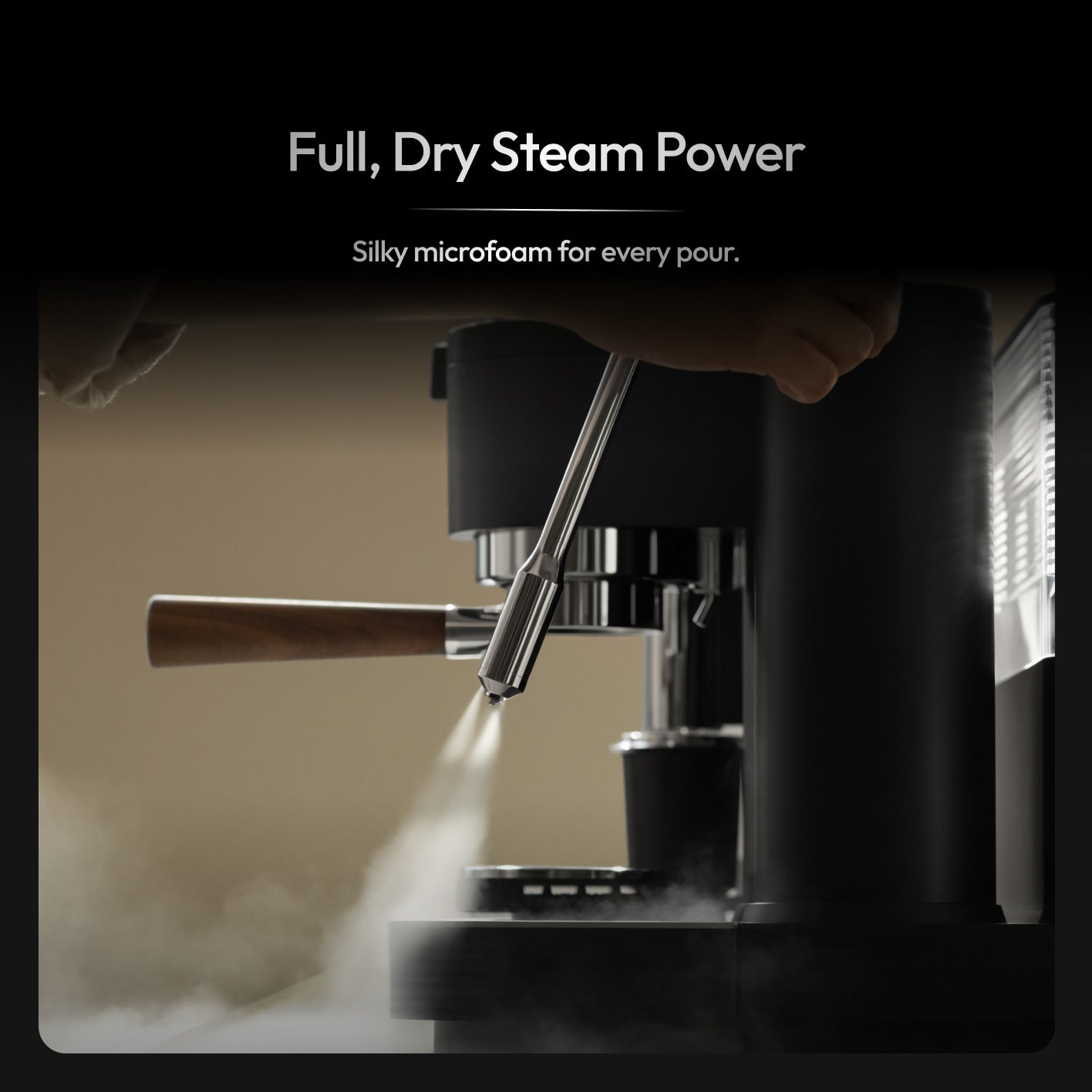
Pull the espresso on Meraki with weighed dose/yield, steam milk if hot, then assemble. Dual boilers keep shot and steam timing sane. Disclosure: Meraki is the espresso engine in this recipe, not a matcha maker. Product: Meraki espresso machine; accessories: collection; more recipes: best coffee recipes for home. Craft: Perfect Daily Grind; caffeine refs: NCA.
Serving tips for guests
Prep matcha paste first so espresso does not die in the cup while you chase clumps. Offer dairy and oat options knowing foam differs. For iced dirty matcha, use clear glasses if you care about layers; for hot, preheat cups so the drink does not cool into chalkiness. Sweetness should be optional syrups on the side, not an assumption.
If guests ask whether matcha coffee is “healthier,” stay factual: it is tea plus espresso plus milk. Caffeine adds up. Point curious readers to the caffeine explainer rather than improvising nutrition claims mid-brunch.
Espresso dial-in notes for tea drinks
A chocolatey medium espresso often bridges matcha better than a ultra-light roast that tastes like citrus spray. That is preference, not law—taste both. Keep yield notes so you can recreate the balance next weekend. Fresh matcha stored airtight away from light tastes sweeter and less like dusty grass, which reduces the urge to oversweeten.
Batch prep for brunch without chaos
Pre-sift matcha into small bowls. Preheat cups or chill glasses. Pull espresso shots in a sequence you can finish before they die. Steam milk in pitcher sizes that match guest count rather than one giant jug that loses texture. Keep a tasting spoon for matcha paste sweetness checks before espresso lands.
If someone wants less coffee character, use a single shot; if someone wants dessert energy, use a double and lighter matcha. Write the two house recipes on a card so you are not renegotiating chemistry while hungry guests watch. Dirty matcha is theater plus balance—both are allowed.
Leftover espresso should not sit thirty minutes before assembly. Leftover matcha paste can dry into chalk; whisk fresh when possible. Clean whisks immediately so green dust does not become permanent kitchen glitter.
Flavor balancing without drowning either ingredient
If espresso erases matcha, reduce shot volume or choose a sweeter medium roast. If matcha erases espresso, add a second shot or ease matcha grams. Ice melts and dilutes—account for that in iced dirty matcha by slightly stronger components at the start. Hot drinks integrate flavors faster; give them a brief swirl before judging.
Sweetness belongs after balance, not before. Sugar can hide clashes temporarily and teach nothing. When the base tastes intentional, a small syrup optional becomes hospitality rather than camouflage.
Document your favorite ratio on a sticky note near the machine. Future you will thank present you when brunch brain is offline.
Dirty matcha rewards mise en place: sifted tea, hot espresso, cold milk or ice ready. When any station lags, flavors muddle and layers collapse. Practice the assembly twice before guests arrive so brunch looks intentional rather than improvised chemistry.
Is matcha coffee a latte? Only if espresso is absent—dirty matcha wants the shot. Keep coconut matcha as a variation after the base ratio works. Hot or iced is preference once flavors balance.
Conclusion
Whisk matcha smooth, pull a deliberate espresso, choose hot mix or iced layers, and tune grams until tea and coffee share the cup instead of fighting it.
Build the espresso half on the Meraki espresso machine and explore more in coffee recipes.
FAQ
What is dirty matcha?
Dirty matcha (matcha coffee) is a drink that combines prepared matcha with espresso—often layered over ice with milk, or mixed hot. It is not simply renaming a latte; the tea powder is intentional.
Is matcha coffee just a latte?
A matcha latte is usually matcha and milk without espresso. Matcha coffee / dirty matcha adds espresso. Names blur in cafés—ask what is in the cup.
Hot or iced dirty matcha better?
Iced versions show layers dramatically; hot versions taste more integrated. Better is preference. Keep espresso tasting good alone either way.
How much espresso to add to matcha?
Start with one shot (or ~18 g in → ~36 g out as a classic double reference) beside 1–2 g matcha whisked with a little water, then milk to taste. Adjust bitterness by shot volume and matcha grade.
Can I use coconut milk?
Yes—coconut matcha variations work for dirty matcha if you like the sweetness and body. Foam behavior differs from dairy; expect softer art.
More on this topic: Latte & Milk Coffee Recipes.


