


Implementation path for a calmer morning: after each drink, 60-second wipe and rinse; once a week, deeper soak; on a hardness calendar, descale. Mixing those three jobs into one vinegar bath is how espresso machines get the wrong chemistry.
Key number: most home espresso milk users need a wand wipe every single drink—not “when it looks bad.” This guide answers how to clean a coffee maker for both drip searchers and espresso owners, then splits methods. Related Meraki reading: how to clean espresso machine and descaling guide.
Daily wipe vs deep clean (direct answer)
Daily wipe removes fresh milk and coffee films; deep clean attacks baked-on oils.
Do both on different clocks. Skipping daily work makes weekly cleaning miserable.
Drip makers and espresso machines share the hygiene goal, not the same detergent path. Coffee literacy: NCA, Coffee & Health.
Drip coffee maker vinegar method (for search intent)
Many drip carafes and reservoirs tolerate a diluted white-vinegar brew cycle followed by multiple clean water cycles—follow your drip maker’s manual. That method targets mineral and light residue in simple boilers. It is the SERP-default answer for “coffee maker,” so we state it clearly, then warn espresso owners not to copy blindly. Water background: CDC, EPA WaterSense.
Espresso machine cleaning (tablets / wand / group)
Espresso groups collect hydrophobic coffee oils. Use manufacturer-compatible cleaning tablets or powder with a blind basket / clean cycle as directed. Soak portafilter baskets and screens. Purge and wipe the steam wand immediately after milk. Never leave milk overnight in the tip. Brushes and knock boxes live in the accessories collection. Technique culture: SCA, SCA education.
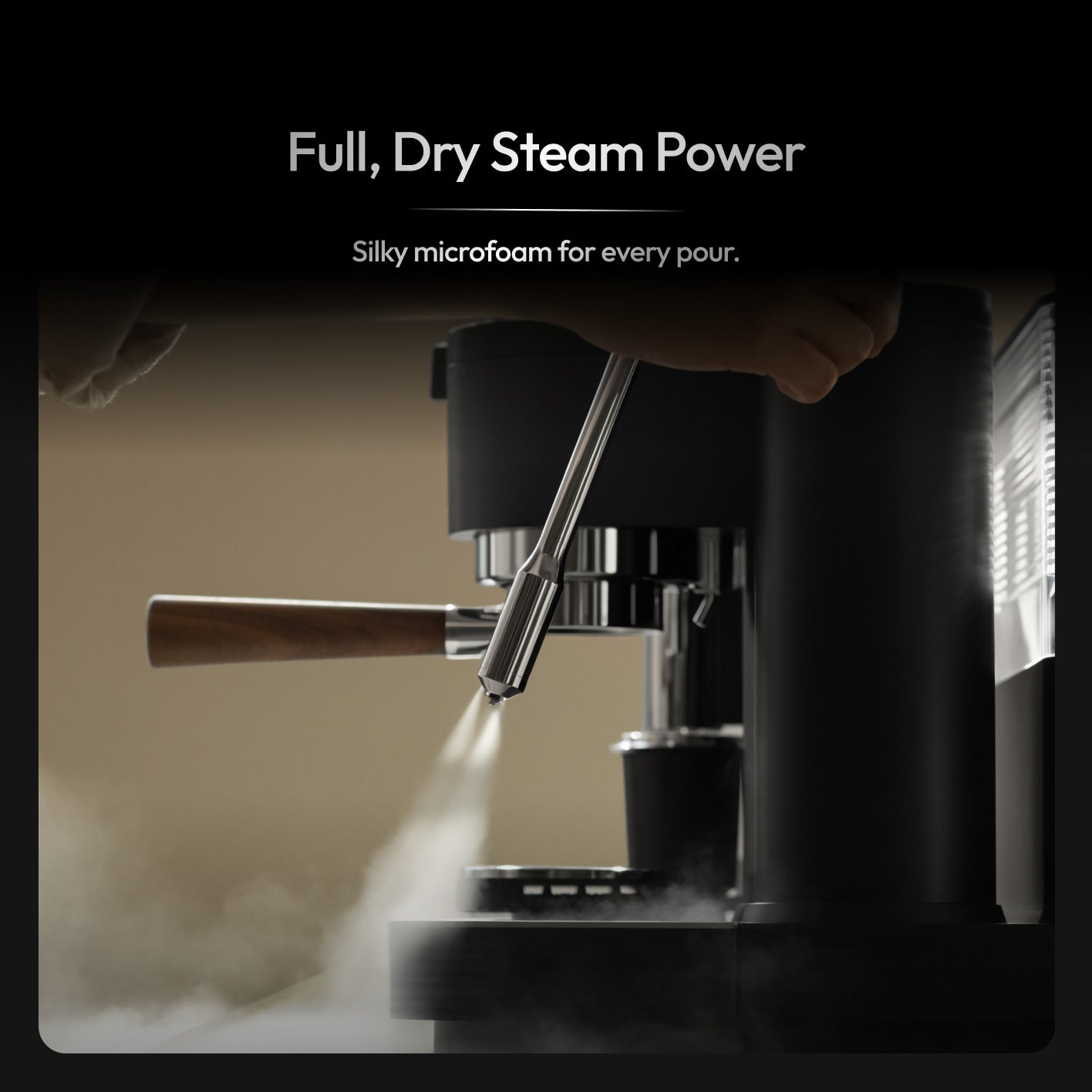
Cleaning vs descaling
Cleaning = organics (oils, milk). Descaling = minerals (scale). Vinegar debates belong mostly with drip descaling folklore; espresso descaling prefers dedicated products (see MK-021 / Meraki descaling guide). If flow is slow after a clean, you may still need descaling—or a grind change.
Checklist table
| Task | Drip coffee maker | Espresso machine |
|---|---|---|
| Daily | Rinse carafe/basket; wipe warmer plate | Wipe wand; rinse portafilter; empty tray; purge |
| Weekly-ish | Wash parts; optional vinegar cycle per manual | Tablet/backflush; soak baskets; wash pitchers |
| Hardness schedule | Descale per manual | Approved descaler; dual-boiler path |
| Do not | Ignore moldy reservoirs | Use vinegar as default espresso descaler |
Common mistakes
Using espresso tablets in a drip basket hoping for miracles. Descaling instead of cleaning (or reverse). Steaming without purging. Putting burr grinders under water (different article). Rebuttal: “vinegar cleans everything” is incomplete for espresso hydraulics. Sensory gear: Coffee Review.
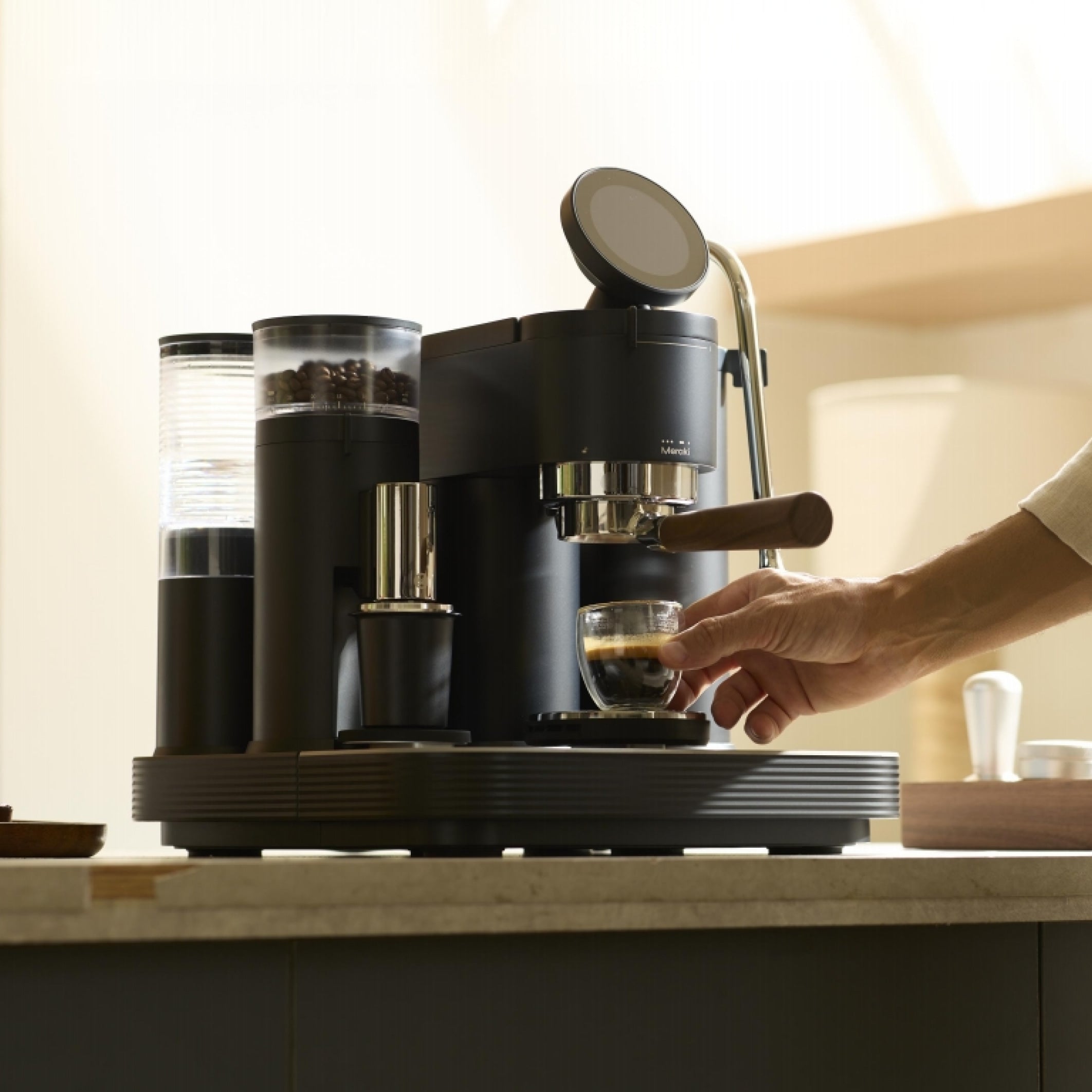
Meraki daily care
All-in-one checklist: wipe steam wand, rinse portafilter and basket, empty drip tray, purge group, quick brush around the integrated grinder chute if grounds collect, keep tanks fresh. Dual boilers stay happier when milk films never bake onto the wand between drinks. View the Meraki espresso machine, browse machine guides, and contact support for service paths. Habit context: Harvard on coffee, EatRight.
Milk tools, pitchers, and sink discipline
Wash pitchers with hot soapy water daily; milk films turn rancid fast. Do not leave damp towels draped on a hot machine. Empty drip trays before they become science projects. For drip makers, remove and scrub the basket; for espresso, mind group gaskets and shower screens on the deep-clean day.
If you use flavored syrups, wipe bottles and the counter—stickiness attracts grounds that later migrate into cups. Keep cleaning tablets labeled and separate from descaler packets to avoid grabbing the wrong chemistry at 6 a.m.
Shared offices need a posted card: wipe wand, rinse basket, empty tray. The person who never cleans should not be the person who complains about bitter milk drinks. All-in-one machines make the checklist shorter, not optional.
When vinegar is correct for a drip reservoir, finish with multiple clean water cycles so breakfast does not taste like salad. When tablets are correct for an espresso group, follow soak times exactly. Bridging the two machine classes in one article is intentional—searchers say “coffee maker” while owning both.
Odor, biofilm, and “it tastes fine”
Smell the reservoir. If it reminds you of a pond, clean now. Biofilm can hide in drip makers and in espresso water tanks alike. Fresh water daily beats heroic monthly scrubbing. For espresso, also smell the wand tip—sweet rot means milk was left behind.
Create a two-bin mental model: organics vs minerals. Tablets and soap for organics; descaler for minerals; vinegar only where the drip manual blesses it. Rebut the idea that one kitchen acid rules every appliance. Your machine guides cluster exists so each job keeps a clear owner page.
End-of-day five-minute reset: purge, wipe, rinse, empty, cover beans. That reset prevents most deep-clean horror stories and keeps guided recipes tasting like calibration day.
Keep spare blind baskets and a dedicated group brush within arm’s reach so deep cleans actually happen. If cleaning supplies live in a distant closet, daily wipe culture collapses. Store descaler separately from tablet jars, labeled in large print, so sleepy hands grab correctly.
Finally, remember odor is data. A machine that smells clean usually tastes cleaner. Build the habit before scale or oil forces a weekend project.
Conclusion
Separate daily wipe, periodic deep clean, and hardness-based descaling. Give drip makers their vinegar instructions when appropriate, and give espresso machines tablets plus approved descalers instead of one blunt acid story.
Build the daily habit around the Meraki espresso machine and keep the deeper espresso clean steps at how to clean espresso machine.
FAQ
How often should I clean a coffee maker?
Wipe daily contact parts after use. Deep-clean brew baskets, carafes, or espresso groups on a weekly-to-monthly cadence depending on milk use and volume. Descale on a separate hardness schedule.
Is vinegar safe for espresso machines?
Vinegar is a common drip-coffee-maker cleaner; it is not the preferred primary descaler or detergent path for espresso boilers. Use espresso cleaning tablets for group heads and approved descalers for scale.
What are espresso machine cleaning tablets for?
Tablets help dissolve coffee oils in the group head / brew circuit during a backflush or clean cycle. They are not a substitute for descaling minerals.
Daily vs weekly cleaning?
Daily: wipe wand, rinse portafilter, empty drip tray, purge steam. Weekly: deeper group clean, soak baskets, wash pitchers. Adjust upward if you steam milk several times a day.
Cleaning vs descaling—which first?
Clean organic coffee oils and milk films first if both are overdue, then descale minerals with the right chemistry. They solve different deposits.


