


Inspection checklist before you “just wash it”: power off, beans emptied, burr type known, brush ready, no rice in the pantry plan, and the manual open to the grinder section. The failure scene is familiar—someone rinses steel burrs, rust freckles appear, and grind consistency dies.
This how-to protects burrs while answering how to clean a coffee grinder. Pair it with Meraki’s deeper note on espresso grinder burrs: cleaning, seasoning, and replacement.
What safe grinder cleaning means
Remove oils and fines without waterlogging burrs or motors.
Dry brushing is the default; tablets are optional helpers; water is the exception that needs explicit manufacturer permission.
Blade grinders and burr grinders clean differently—espresso needs burrs. Literacy: NCA, SCA.
Tools checklist
Grinder brush or clean paint brush, vacuum or bellows, soft cloth, approved grinder cleaning tablets (if allowed), flashlight, and the manual. Optional: screwdriver only for models designed for user burr removal. Shop brushes via the accessories collection. Education: SCA education.
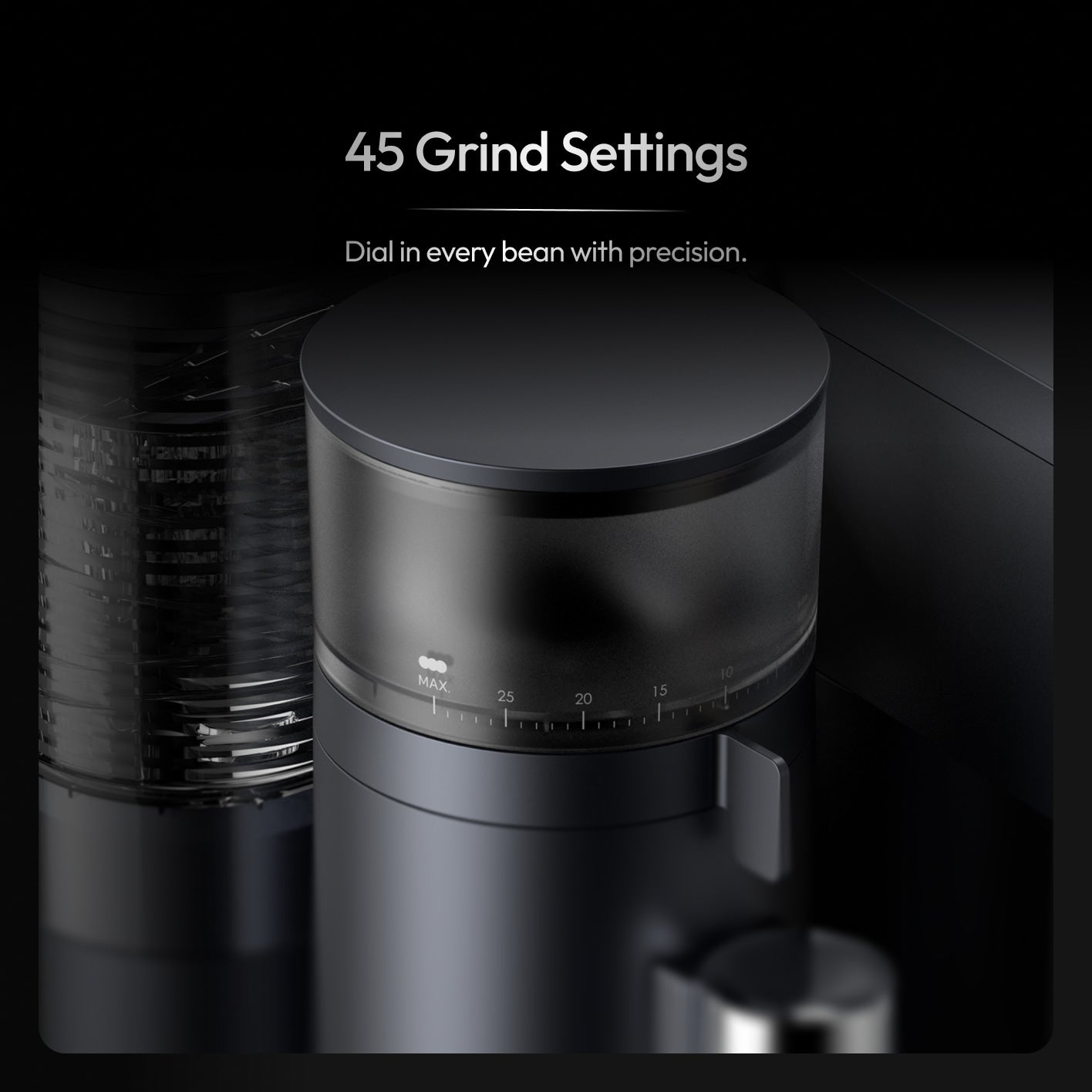
Step-by-step for burr grinders
1) Run the hopper empty. 2) Grind out remaining beans. 3) Unplug if required. 4) Brush burr surfaces and the exit chute; vacuum fines. 5) If the maker allows, run cleaning tablets and purge thoroughly with coffee afterward. 6) Reassemble dry parts only. 7) Dial in again—cleaning can shift retention. Water chemistry still affects espresso after grinding; see CDC and EPA for general water literacy, not as a burr bath recipe.
Cleaning tablets vs brush-only
Brush-only suits light weekly care. Tablets help when oily dark roasts leave residue that brushing misses. Neither replaces removing a caked chute. Parameter idea: if flavor from coffee A ghosts into coffee B after a hopper swap, clean before blaming roast.
What not to do (water, rice)
Do not soak sealed grinder bodies. Do not grind raw rice—hardness and starch risk damage and mess. Do not perfume burrs with cooking oils. Do not put hoppers in a dishwasher unless the manual says so. Rebut myths kindly but firmly; ruined burrs are expensive.
How often (frequency table)
| Cadence | Task | Trigger |
|---|---|---|
| Every few days | Brush chute / wipe hopper | Visible fines, sticky exit |
| Every 2–4 weeks | Deeper brush + tablets if allowed | Oily beans, flavor ghosting |
| As needed | Inspect for clumping / rust | After any moisture event |
| Per manual | Burr replacement | Hours of use / dull grind |
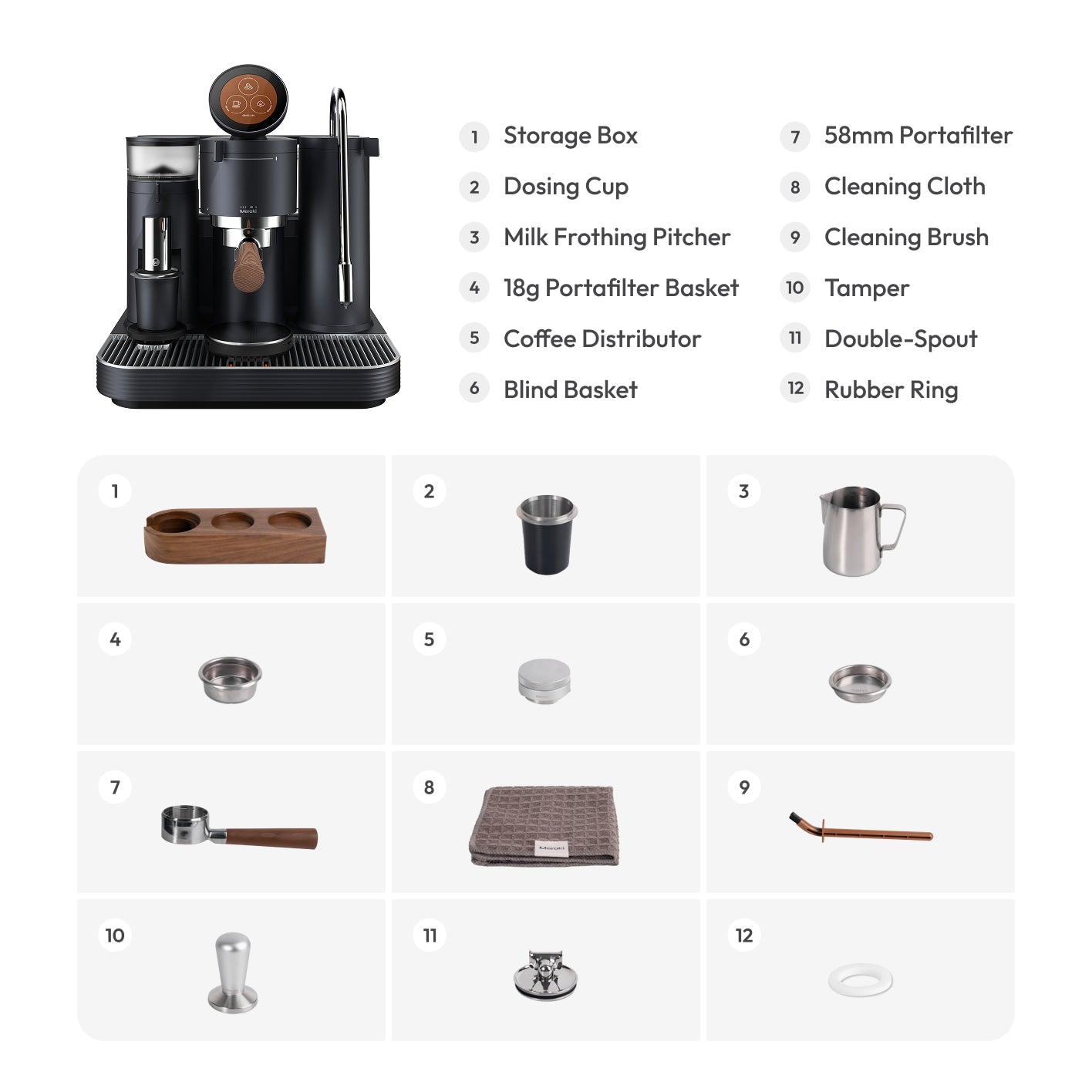
Meraki integrated grinder care
Built-in grinders save counter space and change cleaning angles: you cannot always yank a standalone body into the sink. Purge, brush, tablet only if approved, and keep water tanks and grind chambers mentally separate. Dual-boiler espresso still depends on particle consistency after a clean. View the Meraki espresso machine, compare espresso machine with grinder, and browse machine guides. Sensory: Coffee Review; lifestyle: Harvard on coffee; composition: Coffee & Health.
Seasoning, retention, and flavor ghosting
New burrs can shed metal fines; follow manufacturer seasoning guidance if provided, and do not confuse seasoning with rice myths. After cleaning, expect a short dial-in because retention emptied. Purge a sacrificial dose when switching from spice-flavored beans to delicate light roasts.
Static can look like dirt; a simple RDT fingertip of water on whole beans (not on burrs) is a dosing trick some use—still keep chambers dry. Vacuum carefully around electronics. If you remove burrs, photograph orientation before lifting so reassembly stays aligned.
Integrated grinders hide exits behind panels; use a flashlight. Do not flood the bean hopper to “soak.” If oils varnish the throat, tablets plus brushing beat scraping with metal knives that nick burr edges.
Track cleaning beside descaling in the same notebook. A machine that tastes dull after a clean may need dialing, not despair. Particle consistency is why you bought burrs—protect that investment with boring brushes.
Blade vs burr cleaning differences
Blade bowls sometimes detach for careful washing—dry fully before reuse. Burr chambers rarely enjoy the same dunk. Do not apply blade habits to espresso burrs. If you own both tools, label brushes so coffee-spice cross contact dies.
After any deep clean, grind a small purge and discard it before the first guest shot. Retention empties unevenly; the purge protects flavor. Pair this habit with the espresso grinder buying criteria so new gear arrives with a care plan, not only a unboxing photo.
Support path: if the motor sounds wrong after cleaning, unplug and inspect for lodged pebbles or tablet chunks. Forcing through can chip burrs. Quiet caution beats bravado.
Keep a small bellows or hand vacuum dedicated to coffee so kitchen crumbs stay out of burrs. After oily holiday blends, schedule an extra brush session. If you travel with a portable burr grinder, the same no-rice, no-soak rules apply in hotel sinks.
Consistency after cleaning is the reward: espresso dials return faster when particles stay uniform and chambers stay dry.
When flavor ghosting persists after brushing, run an approved tablet cycle and purge generously. If ghosting still lingers, inspect the hopper for oily film and wipe with a dry cloth only. Persistence usually beats aggressive water.
End state: burrs dry, chute clear, notes logged, and espresso dial restored. That is cleaning without ruining the burrs.
Conclusion
Protect burrs with dry brushing, approved tablets, and zero rice. Treat water as a last-resort, manufacturer-approved move—not a default wash.
Care for the integrated grinder on the Meraki espresso machine and read burr cleaning and seasoning for deeper detail.
FAQ
Can I wash burrs with water?
Avoid soaking or scrubbing burr sets under running water unless the manufacturer explicitly allows removable burrs to be rinsed and fully dried. Trapped moisture invites rust, clumping, and motor risk. Brush and vacuum first.
Do coffee grinder cleaning tablets work?
Food-safe grinder tablets can help absorb oils in many burr grinders when used as directed. They complement brushing; they do not replace inspecting the burr chamber.
How often should I clean my grinder?
Brush loose grounds every few days of use. Do a deeper clean monthly—or sooner with oily dark roasts or flavor changes between coffees. High-volume homes clean more often.
Is rice safe for cleaning grinders?
Do not use raw rice as a cleaning method. Rice can dull or chip burrs and leave starch dust. Use a brush, blower, and approved grinder tablets instead.
How do I clean a built-in espresso grinder?
Purge beans, grind out remaining coffee, brush the chute and chamber openings, run tablets if the maker allows, and avoid flooding electronics. Follow the integrated-grinder section of your manual.


