


What Is a 58mm Espresso Machine and Why Does It Matter?
For a home buyer, "58mm" is useful shorthand for the size of the brewing system - not a complete measure of machine quality. A well-designed smaller format can make excellent espresso, while a poorly controlled 58mm machine can still produce uneven shots. The right question is whether the 58mm group is part of a stable, practical workflow.
What does 58mm mean on an espresso machine?
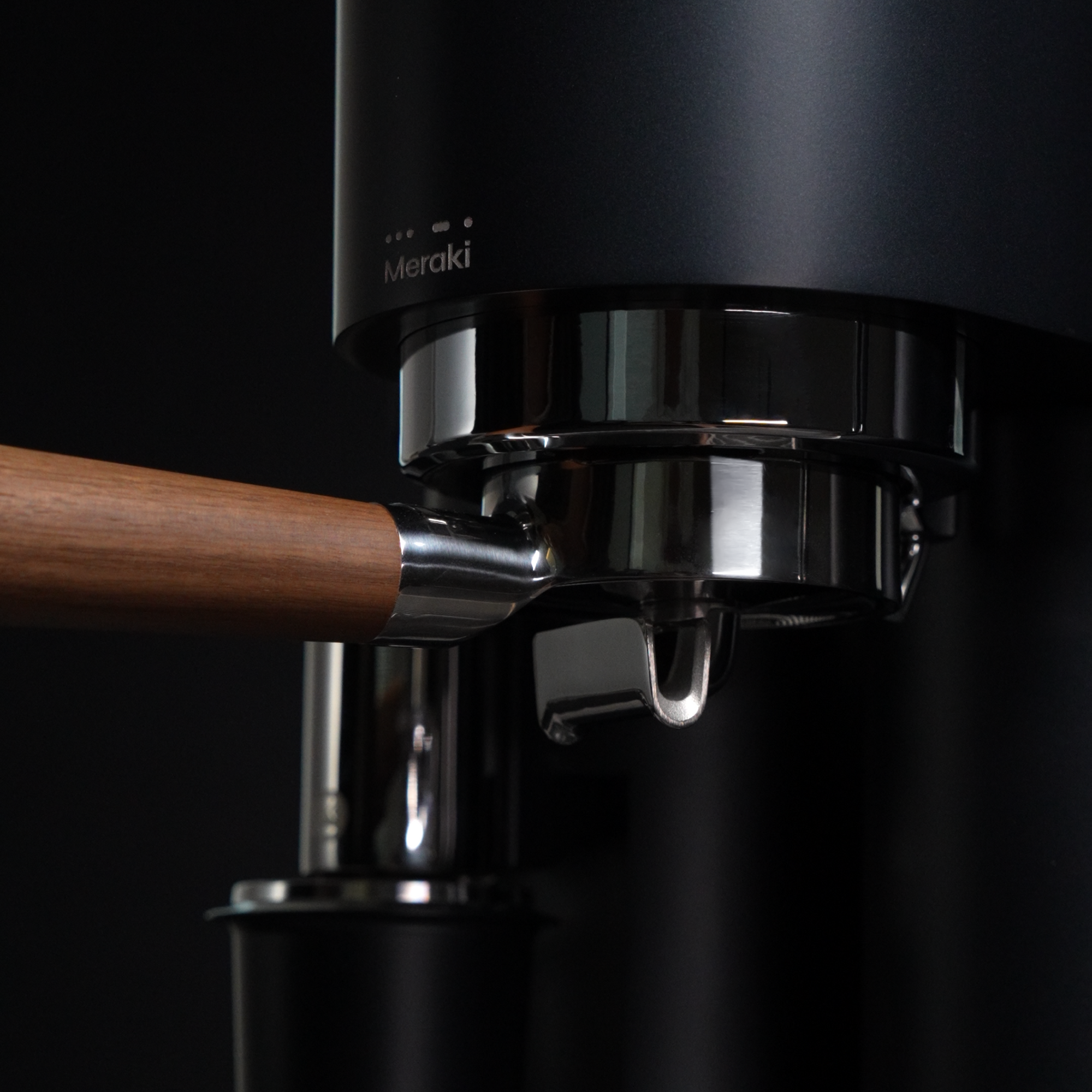
The number refers to the nominal diameter associated with the portafilter basket and group interface. Many cafe machines use this general format, so it has become familiar to baristas and well supported by accessory makers.
Nominal size is only the starting point. Two products described as 58mm can differ in basket geometry, portafilter ears, handle position, depth, or locking mechanism. A 58mm tamper, basket, bottomless portafilter, puck screen, or dosing funnel is not automatically compatible with every 58mm machine. Check the exact machine and accessory specifications before buying.
Why does a 58mm espresso machine matter?
A wider accessory ecosystem
The strongest practical advantage is choice. The 58mm category includes many baskets, tampers, dosing funnels, distribution tools, puck screens, and cleaning accessories. That makes it easier to replace a worn tool or refine a workflow without changing the entire machine.
A familiar cafe-style routine
If you have used a commercial machine, a 58mm portafilter can feel familiar. Dosing, distributing, tamping, locking in the portafilter, and cleaning the basket follow the same general sequence. That familiarity can make skills easier to transfer between home and cafe environments.
Room to refine puck preparation
The broad ecosystem gives experienced users many ways to tune puck preparation. The benefit comes from using well-matched tools consistently - not from diameter alone. Dose, grind size, distribution, tamp, water temperature, pressure, and beverage yield still need to work together.
How 58mm compares with smaller home formats
| Decision factor | 58mm format | Smaller formats | What matters most |
|---|---|---|---|
| Accessory choice | Usually broad, especially for cafe-style tools | Varies by brand and model | Confirm exact compatibility, not just diameter |
| Workflow | Often familiar to commercial-machine users | Can be compact and beginner-friendly | Choose the routine you will use consistently |
| Counter space | Often appears on larger, more capable machines | Common on compact machines | Measure the full operating space, not only the body |
| Espresso quality | Can support excellent results | Can also support excellent results | Grinder, stability, recipe, coffee, and technique |
What should you check before buying a 58mm machine?
- Exact portafilter and basket compatibility: ask whether the machine accepts the specific accessory you intend to use.
- Grinder performance: espresso needs fine, repeatable adjustment and a workflow that controls dose.
- Temperature stability: the brewing system should hold a consistent target during extraction.
- Pressure behavior: look for predictable delivery rather than a large advertised pump number.
- Milk-drink workflow: frequent latte and cappuccino drinkers should consider steam performance and whether brewing and steaming can happen without long waits.
- Cleaning and service: confirm how the basket, portafilter, group, steam wand, and drip tray are cleaned.
- Counter fit: include space for the handle, hopper or water access, steam wand, drip-tray removal, ventilation, and the power cord.
If you are planning a coffee station, use the measurement workflow in our espresso machine placement guide. If your question is specifically about baskets, tampers, and compatibility, see the separate guide to 58mm portafilters.
How Meraki makes the 58mm workflow easier to repeat
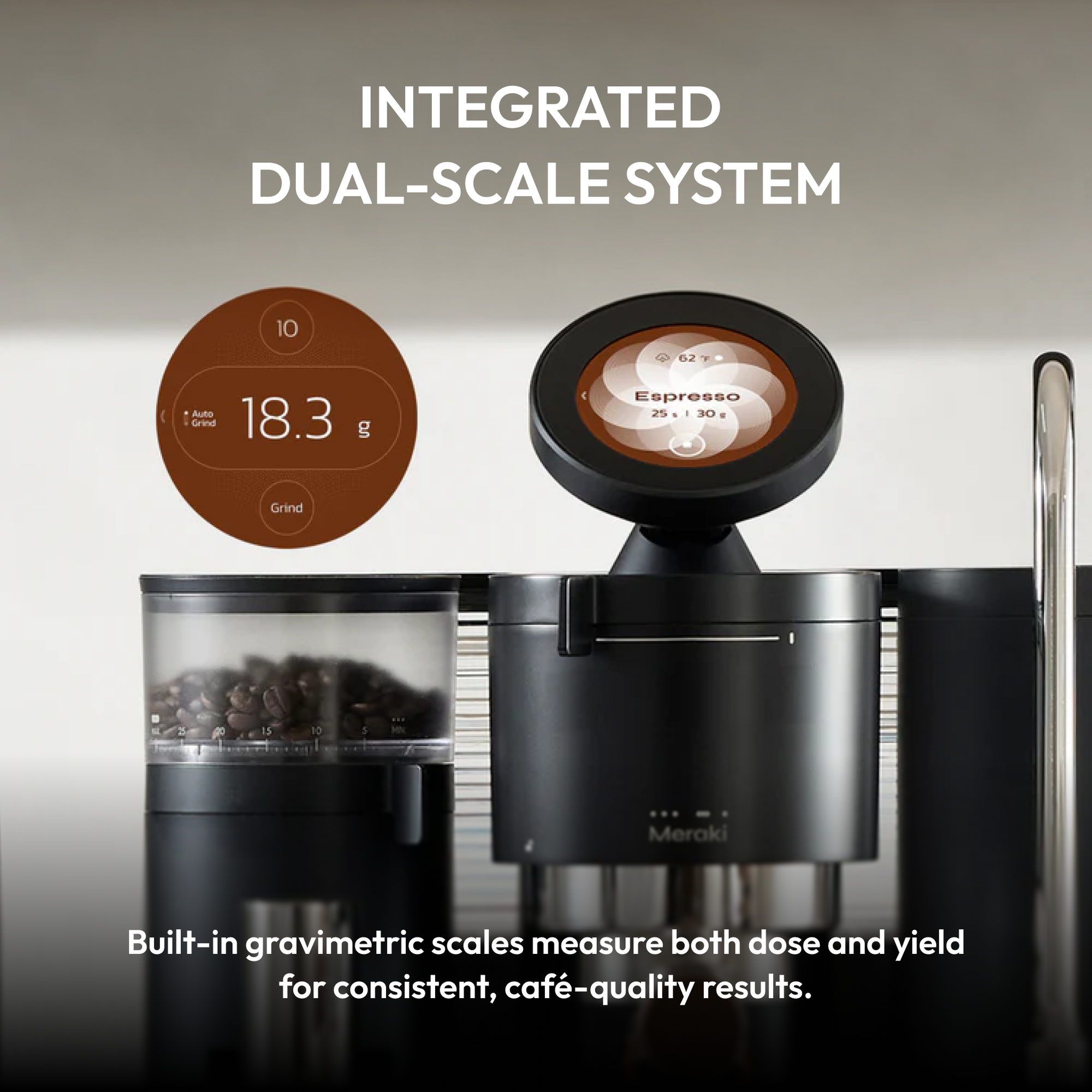
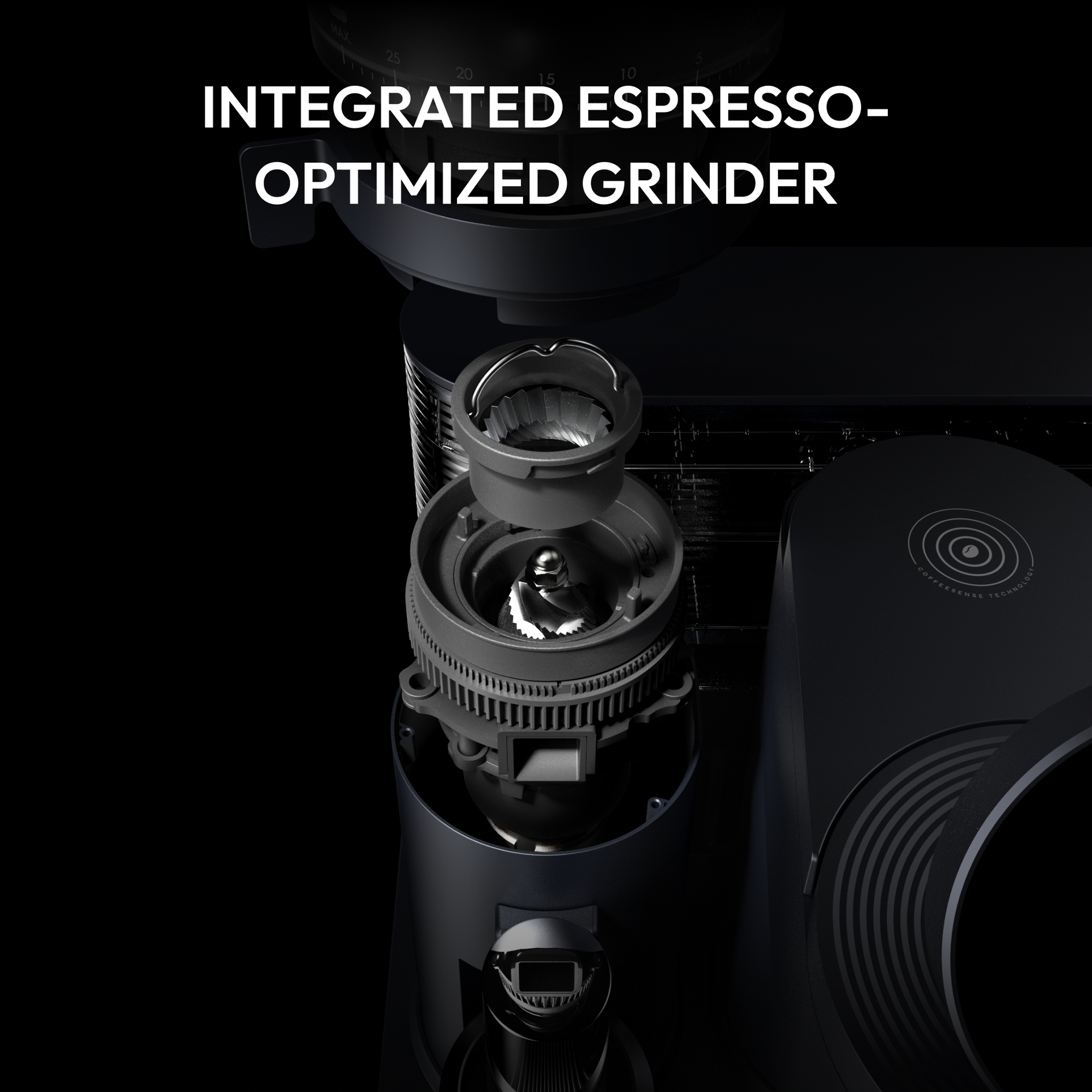
Meraki pairs its 58mm portafilter with an espresso-tailored grinder and two built-in scales. Grind by weight helps control how much coffee enters the portafilter; brew by weight tracks the beverage yield in the cup. Those measurements remove two common sources of inconsistency while preserving the hands-on steps of distributing, tamping, and locking in the portafilter.
The dual boilers support brewing and steaming without waiting for one heater to switch jobs. The commercial rotary pump delivers the machine's fixed 9-bar brew pressure with quiet, stable operation. Brew pressure is not user-adjustable; during pre-infusion, the user can select 3 or 4 bar and adjust the pre-infusion duration.
For the U.S. 120V model, warm-up is approximately four minutes. The result is a professional-style workflow designed around daily convenience: weigh the ground coffee automatically, prepare the 58mm puck, brew to a measured yield, and steam milk without a long changeover.
Is a 58mm espresso machine suitable for beginners?
Yes. Portafilter diameter does not determine difficulty. A beginner benefits from clear guidance, stable brewing conditions, and a simple starting recipe. The broad accessory ecosystem also makes it easier to find appropriately sized basic tools.
Avoid buying multiple preparation accessories before learning the machine. Start with fresh coffee, the supplied basket and portafilter, a consistent dose, and a clear brew ratio. Change one variable at a time. A 58mm system gives room to experiment later, but it should not force complexity on day one.
Frequently asked questions
Does 58mm make better espresso?
Not automatically. It provides a common commercial-style format and broad accessory choice. Espresso quality still depends on the grinder, coffee, recipe, puck preparation, temperature stability, pressure delivery, and machine condition.
Are all 58mm portafilters interchangeable?
No. Portafilter ears, locking position, basket depth, handle clearance, and group design can differ. Confirm compatibility with the machine and accessory manufacturer.
What size portafilter does the Meraki Espresso Machine use?
Meraki uses a 58mm commercial-style portafilter. Check current included accessories and specifications on the official product page before purchasing third-party parts.
Is a 58mm machine only for experienced baristas?
No. It can suit beginners as well as experienced users. Workflow design and measurement support matter more to ease of use than portafilter diameter.
Do I need a distributor or puck screen for a 58mm basket?
Not necessarily. They are optional tools, not substitutes for an appropriate grind, dose, distribution, and tamp. Add a tool only when it solves a specific, observed problem.
Evaluate the full espresso system, not the diameter in isolation.
Explore the current 58mm workflow, grinder, dual scales, dual boilers, rotary pump, included accessories, and U.S. specifications on the Meraki Espresso Machine page.