


How a French press extracts coffee
A French press soaks grounds in hot water, then filters them with a mesh plunger.
That immersion method is why the cup is heavy, oily, and often a little cloudy. You add a coarse grind, pour water, wait, and press. There is no pump and no pressurized brew group. The National Coffee Association’s brewing overview places the press with other manual immersion methods, not with espresso.
Typical home recipes use a coarser grind than espresso and a longer contact time, often around four minutes, then a plunge that holds back most of the particles. Fine sediment still slips through the mesh. That is not a defect in every cup; it is a consequence of a metal filter that does not behave like paper or a tightly packed espresso puck.
Nothing in this process creates espresso. If a product page calls a press “espresso-style,” read the method, not the adjective. A press can make a strong mug of coffee. It cannot run nine bars of pressure through a finely ground, tamped puck.
How an espresso machine extracts a shot
Espresso is a short, high-pressure extraction through a packed puck.
A machine heats water, then pushes it through finely ground coffee held in a portafilter. The result is a small, concentrated serving with a layered texture that immersion coffee does not copy. The Specialty Coffee Association education hub is a useful independent starting point if you want to read around brew methods without a sales pitch.
At home, that usually means a grind much finer than press coffee, a dose you can repeat, and a shot that lands in a small cup rather than a mug. Many weekday drinkers also want steam for milk. That is a second job, handled by a steam boiler or a thermoblock, not by plunging a press harder.
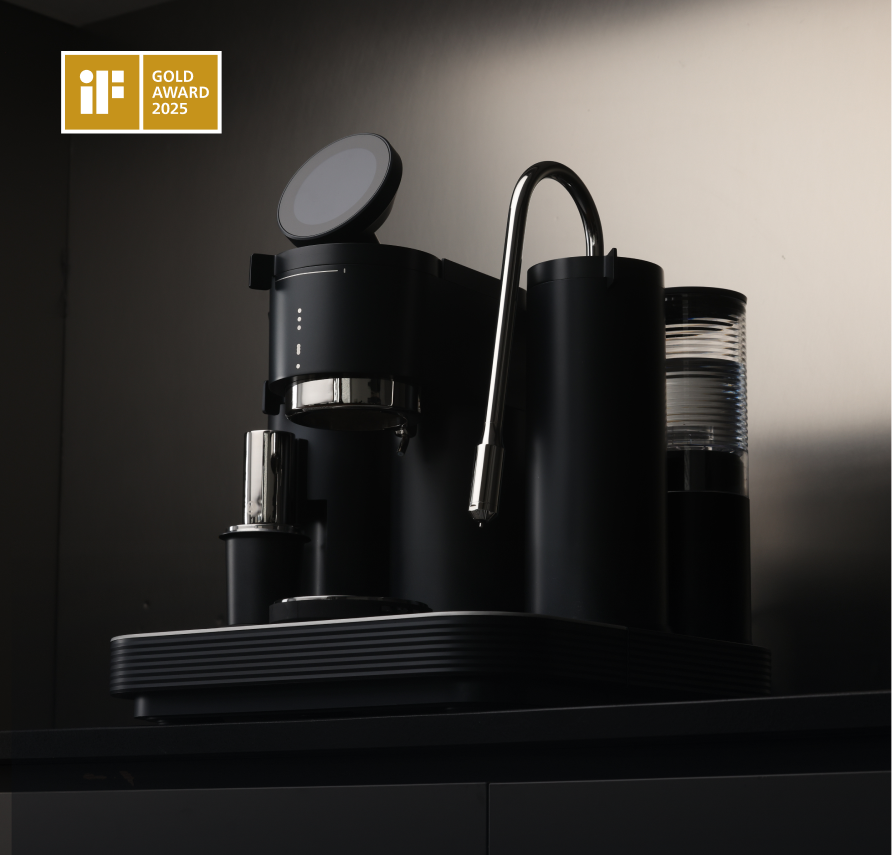
Meraki publishes this comparison. When this page mentions the Meraki espresso machine, it is our dual-boiler home machine with an integrated standalone grinder. Recheck the live product page for current specifications; this article does not treat any brochure number as a lab result.
Texture, sediment, and clarity
The first fault people notice is rarely “strength.” It is mouthfeel.
Press coffee keeps more of the coffee’s oils in the cup because the mesh does not absorb them the way paper does. That can taste rich and round. It can also leave a silty finish and a layer of fines at the bottom of the mug. Espresso is also rich, but the texture comes from a concentrated emulsion and crema, not from loose sediment in a large serving.
If you dislike grit, a press will keep disappointing you unless you grind coarser, avoid stirring aggressively, and pour carefully before the last ounce. If you dislike a thin, tea-like cup, espresso or a well-made press will both feel heavier than a paper-filtered pour-over — a distinction this page is not trying to relitigate. The pour-over comparison lives elsewhere. Here the contrast is immersion body versus a pressure shot.
Clarity is a trade, not a score. A press is rarely as clean as paper-filtered coffee. An espresso shot is not trying to be a clear mug either. It is a different drink size and a different texture job.
Strength, caffeine, and serving size
Strength and caffeine are easy to mix up, and the cup size is why.
Espresso tastes stronger because it is concentrated: a small serving extracted at a high brew ratio. A French press is usually drunk as a larger mug, closer to filter coffee in volume. A short shot can taste bolder sip for sip and still deliver less caffeine than a full press mug, depending on dose and how much you actually drink.
This article does not invent milligram claims. The Harvard T.H. Chan School of Public Health caffeine review and USDA FoodData Central are better places to read about caffeine in coffee than a comparison page with a single invented number. What you can use at home is simpler: compare the amount of coffee you dosed and the volume in the cup, not the marketing word “strong.”
If you usually finish a 10- to 12-ounce press mug, that is a different serving than a 1.5- to 2-ounce shot or a six-ounce latte built on that shot. Match the question to the drink you actually consume.
Time, cleanup, and how many cups you can serve
A press is quicker to start and slower to finish cleaning well.
You can brew a carafe for two or three mugs in one immersion. An espresso machine makes drinks in series: grind, dose, extract, then repeat, and steam if you are making milk drinks. The press wins when you want several similar black coffees at once. The machine wins when you want individual shots and textured milk, not a shared pot.
Cleanup is the other half of the morning. A press looks simple, but the mesh, carafe, and leftover sludge need attention or the next brew tastes stale. An espresso machine adds a puck, a portafilter, and a steam wand to rinse, plus a tank or drip tray to keep empty. Neither path is “no cleanup.” They fail in different ways: a neglected press gets rancid oils; a neglected machine gets stale water and a dirty group.
| Decision point | French press | Espresso machine |
|---|---|---|
| Extraction style | Immersion in a carafe, mesh plunger | Short, high-pressure shot through a puck |
| Typical serving | A mug or shared carafe | A small shot, often built into a milk drink |
| Texture | Heavy body, possible sediment | Concentrated shot with crema; no press-style sludge |
| Best batch job | Several similar black coffees at once | One drink at a time, including steamed milk |
| Cleanup fault | Oily mesh and leftover fines | Puck, wand, group, and water path |
Milk drinks: why a press cannot replace steam
A French press cannot texture milk the way a steam wand can.
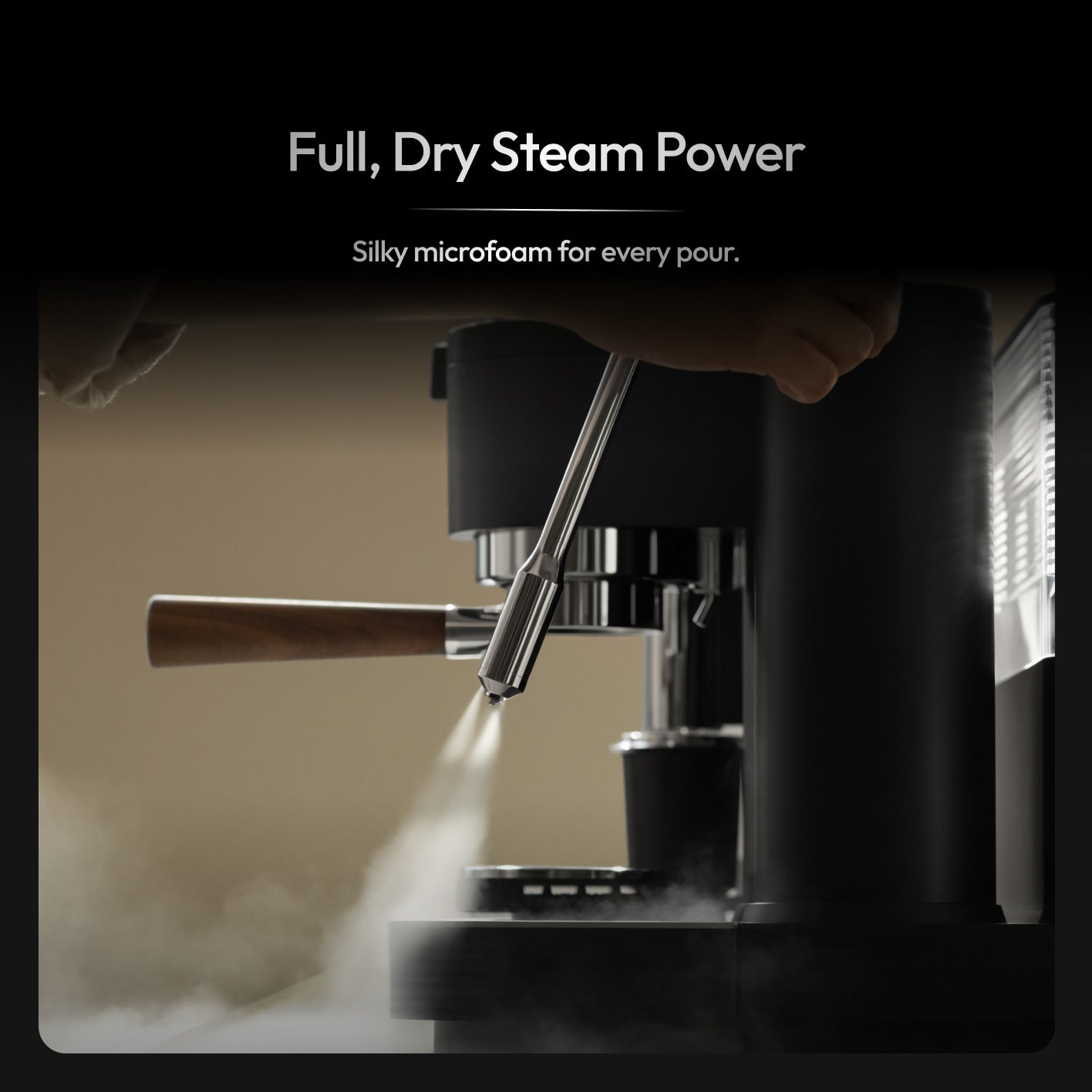
You can heat milk in a microwave or on a stove and pour it into press coffee. You can even froth milk with a separate whisk or a handheld frother. None of that is the same as stretching and heating milk with dry steam so it is glossy enough for a latte or cappuccino. The press has no boiler, no wand, and no steam pressure.
If your regular order is a cappuccino, flat white, or latte, the gap is not “a stronger press.” It is the milk craft. That is the most common reason people outgrow a carafe, and it is also why this comparison is not a kettle guide or a pour-over guide. The missing tool is steam, plus a shot that can stand up in milk.
Beans and grind for each method
The same bag can work for both, but the grind cannot.
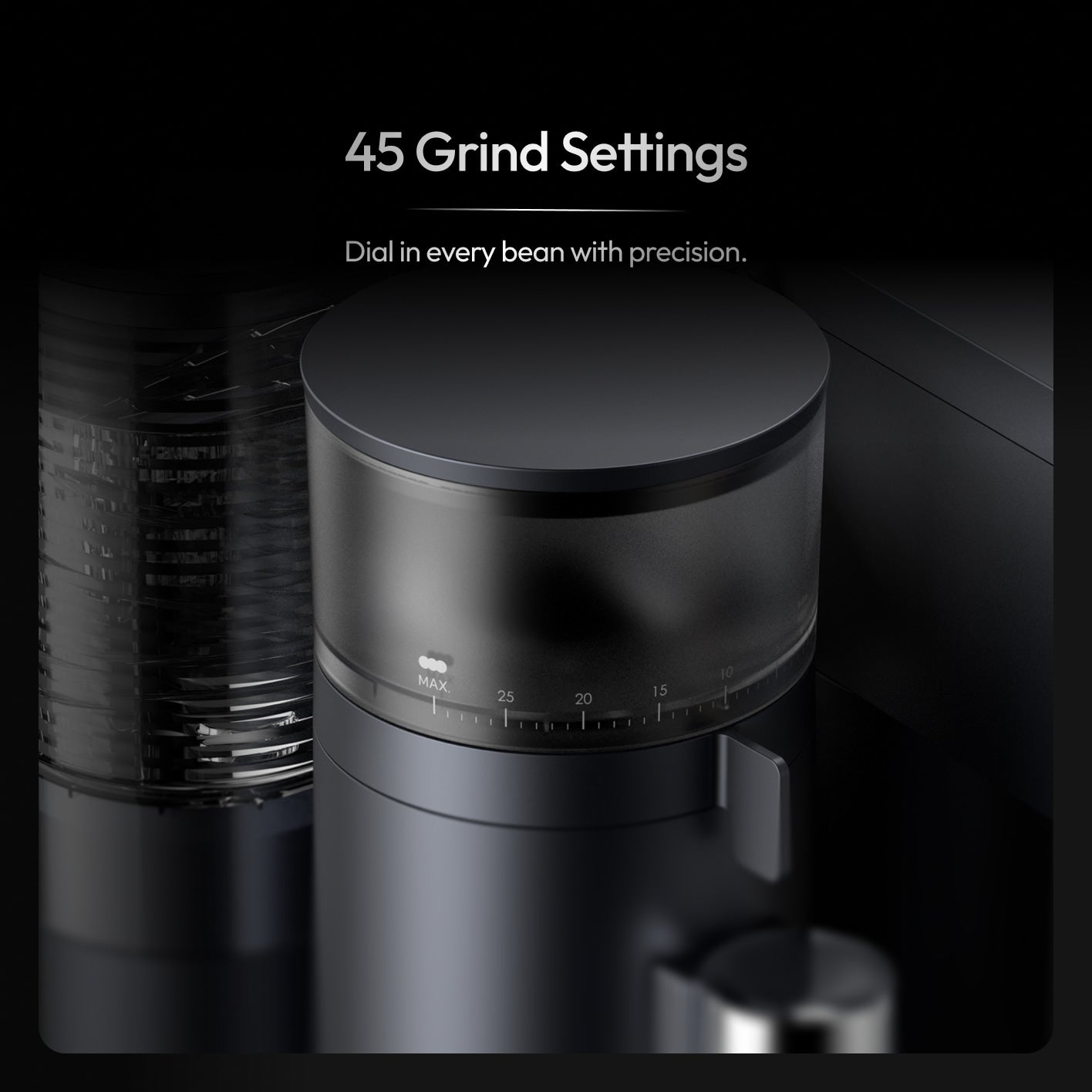
Press coffee wants a coarse, even grind so the mesh can do its job and the immersion does not turn muddy. Espresso wants a much finer grind and a dose you can adjust in small steps. Using espresso-fine coffee in a press is a classic fault scene: the plunger fights you, the cup is silty, and extraction tastes harsh. Using press-coarse coffee in a portafilter is the opposite fault: the shot gushes and tastes thin.
Roast preference is more flexible than grind. The NCA roast-level guide is a plain-language map if you are matching a darker or lighter roast to the cup you like. Freshness still matters for both methods. If you want a starting point for beans, browse the live Meraki coffee bean collection and still grind for the brewer you are actually using.
Do not expect a “universal” grind setting to serve a press in the morning and espresso after lunch without adjustment. The particle size is part of the method.
When a French press is enough
Keep the press if the drink you want is a full mug of immersion coffee.
That is the honest choice when you brew for two or three people at the table, you like a heavy, unsweetened cup, and you do not need steamed milk. It is also enough when counter space, noise, and a shorter setup matter more than a café-style drink. A press is inexpensive to learn and easy to put away.
It remains a poor substitute for espresso. If you only want a stronger mug, adjust dose and grind in the press. Do not buy a machine to “fix” a press that is already making the drink you like.
Recipe ideas that stay in the carafe lane, including non-espresso methods, live in the Meraki coffee recipes blog. Use them as drink ideas, not as proof that a press can pull a shot.
When a home espresso machine is the next step
Move to a machine when the drinks you miss are shots and textured milk.
If your weekday order is a latte or cappuccino, or you want a short, concentrated shot rather than a mug, the press has already reached its limit. You will need a machine that can grind for espresso — or an integrated standalone grinder in the same unit — plus a portafilter workflow and, for milk drinks, a steam wand you will actually clean.
That step also adds warm-up time, a water tank to fill, and a daily rinse. Check owner feedback on the Meraki reviews page and current specifications on the Meraki espresso machine product page before you treat any single feature as the reason to switch. This page is a method comparison, not a ranked list of machines.
Conclusion
A French press makes immersion coffee with plenty of body and, often, some sediment. An espresso machine makes a pressure shot, and usually steam for milk. One carafe cannot do the other’s job. Choose the press when you want a shared mug of heavy coffee. Choose a home espresso machine when the drinks you keep ordering are shots and milk drinks, then verify the live product and review pages rather than a remembered spec.
FAQ
Does a French press create espresso?
No. A French press is an immersion brewer with a mesh plunger. Espresso is a short, high-pressure extraction through a finely ground puck. Pressing harder does not turn press coffee into espresso.
Which is stronger, French press or espresso?
Espresso is more concentrated in a small serving. A French press is usually drunk as a larger mug, so “stronger” depends on whether you mean flavor intensity or the total amount of coffee in the cup you finish.
Does a French press have more caffeine than espresso?
Not as a rule. Caffeine depends on dose, brew time, and serving size. A full press mug can contain more caffeine than a single short shot even when the shot tastes bolder. Check independent caffeine references rather than a single marketing number.
Can I make a latte with a French press?
You can combine press coffee with heated or frothed milk, but a press cannot steam milk. A latte-style drink that depends on textured milk needs a steam wand, or at least a separate frothing tool, and still will not start from an espresso shot.
What grind should I use for a French press versus espresso?
Use a coarse grind for a French press so the mesh can filter the cup. Use a much finer grind for espresso. Fine press coffee turns sludgy; coarse espresso coffee runs too fast and tastes thin.


