


Your first shot smells like ripe fruit, but the finish feels too intense. Should you change the recipe, or is that exactly how this coffee is meant to taste? Anaerobic coffee espresso experiments are easier when you separate the coffee's intended character from a preparation problem.
Start with a clear flavor goal and the roaster's reference, not a universal recipe for every bag carrying the same processing label. The goal is a drink you enjoy, not the most dramatic possible expression of fermentation.
What does the anaerobic coffee label tell you for espresso?
It describes processing, not an espresso recipe.
The label points to oxygen-limited fermentation conditions, but the actual procedure matters; it does not specify a roast level, flavor intensity, grind position, or brewing temperature for you.
In a study of self-induced anaerobic fermentation in Arara coffee, researchers varied duration, temperature, processing arrangement, and starter-culture use. Those are different conditions under the same broad processing category. Their results concern the studied coffee and treatments, not every retail anaerobic espresso.
When ordering, ask for the specific process and intended cup description. Whole-cherry handling and a pulped coffee treatment are not interchangeable descriptions, and a fermentation duration without its conditions is incomplete context. You do not need a production manual to enjoy the bag. You do need enough information to avoid assuming that all anaerobic coffees will taste the same or respond to an identical espresso adjustment.
Put a name to the flavor you want to change
Before touching the grinder, describe what bothers you. Ripe-fruit aroma, sharp acidity, drying texture, and an unpleasant lingering finish are different observations. Writing only funky makes it difficult to tell whether an adjustment helped.
The World Coffee Research Sensory Lexicon provides defined attributes and intensity references, including fermented, sour, and bitter. You can borrow that discipline without recreating a sensory laboratory. Name the impression, its intensity, and whether you like it.
For example, record that you enjoy the fruit aroma but want less sharpness, rather than trying to remove all processing character. Taste with the same cup and a consistent cooling interval when comparing attempts. Your note should identify the target of the next test. If the aroma itself is what you dislike, a brewing change may not turn this bag into the familiar flavor style you wanted. That is a preference decision, not automatically a failed espresso.

Establish the roaster's reference before improvising
Ask whether the coffee was evaluated as espresso and what starting preparation the roaster recommends. A filter tasting description can still be informative, but it is not a tested espresso recipe. Clarify which drink informed the notes you read.
If a reference is available, record your actual dose, beverage yield, temperature setting, and observed time alongside it. These are a comparison record, not a demand that every machine reproduce identical seconds. If no reference exists, begin from a familiar, repeatable espresso preparation suited to your basket rather than inventing special rules from the processing name.
For the broader purchase questions of roast, origin, and freshness, use the Meraki espresso-bean selection guide. Here, keep the narrower question in view: does this particular fermented flavor work in your intended espresso? A reliable starting record lets you answer that without chasing a different recipe on every attempt.
Does fermentation character mean the shot is defective?
A fermentation note is not a defect verdict.
Describe the specific unpleasant impression and compare it with the supplier's intended profile; a processing label cannot prove either a brewing fault or an acceptable result in your cup.
A review of microbial ecology and fermentation of Coffea canephora summarizes chemical and sensory findings from different fermentation studies. It is not a single controlled espresso trial or a defect checklist for your arabica bag. Use it as process context, not proof that your particular shot should taste acceptable.
If repeated shots are similarly unpleasant, ask the supplier whether your description matches their evaluation of the batch. Share the brewing record and identify the note you want explained. You can decide a coffee is not for you without declaring it defective. Equally, you should not force yourself to like an unpleasant result simply because unusual processing was marketed as desirable. Intended character and personal enjoyment are separate questions.
Test yield before changing several controls at once
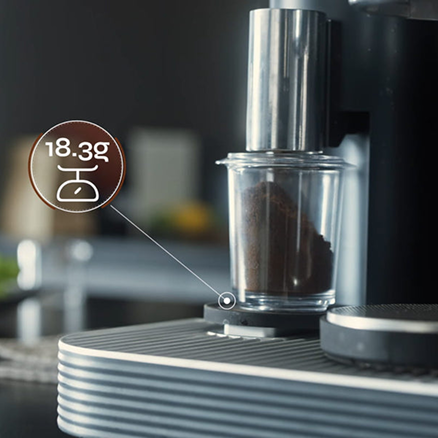
When the shot is repeatable but tastes too concentrated for your preference, beverage yield is a useful first variable to investigate. Choose one nearby alternative within your normal preparation limits. Keep the dose and other controls unchanged for that comparison, and judge the flavor rather than assuming longer must be better.
A longer yield changes both the amount collected and the extraction process; it is not merely adding water to the finished cup. If you want to investigate concentration alone, a separate taste with a measured addition of water asks a different question. Label those tests differently in your notes.
Next, consider another control only if you can state what the yield test showed. There is no evidence here for a mandatory lower temperature, coarser setting, or special ratio for every anaerobic coffee. Follow your equipment's operating guidance. Stop increasing yield if the result loses the aroma you wanted or gains a finish you dislike.
Evaluate the coffee in your usual drink
A straight shot and your breakfast milk drink answer different purchasing questions. If you mainly drink a latte, judge the coffee in a consistent version of that drink before deciding it is too intense. Keep the milk amount and preparation comparable so the coffee remains the meaningful difference.
The SCA's published assessment standards distinguish descriptive assessment from affective assessment. That distinction is useful at home: identifying a strong fruit note is not the same as deciding that you like it. Your preferred drink is the right place to make the second decision.
Do not claim that milk always hides fermentation character or that every anaerobic coffee is best served black. Those shortcuts erase differences between lots and preferences. Record whether the particular combination works for you. A coffee that impresses you in a small tasting but feels tiring in a full drink may suit occasional use rather than replacing your daily bag.
Give the experiment a sensible stopping point
Choose a small trial quantity and reserve enough for a repeat of the preparation you liked best. You are buying coffee to drink, not committing to an endless search for a recipe that changes its identity. Decide in advance what improvement would make the bag worth ordering again.
Keep the remaining coffee protected while testing. The National Coffee Association's storage guidance recommends limiting exposure to air, moisture, heat, and light. Consistent handling helps you avoid confusing a storage change with your latest brewing adjustment.
Reorder if the intended fermented character becomes enjoyable in your normal drink without an impractical routine. Choose another flavor style if that character remains the thing you dislike, even after a useful reference and a focused comparison. Neither outcome makes the experiment a failure. You have learned whether this specific coffee fits your taste, which is more valuable than adopting a rule about the entire processing category.
When you are ready to choose another bag, explore the Meraki coffee collection for a flavor description that fits your daily drink.
FAQ
Does anaerobic processing mean fruit was added to the coffee?
Not by itself. The word describes an oxygen-related processing condition, not a complete ingredient or treatment declaration. If added fruit, flavorings, or other inputs affect your purchasing decision, ask the supplier to identify the actual process and ingredients rather than drawing a conclusion from the word anaerobic. A berry tasting note is also not an ingredient list. Choose a clearly documented coffee when that distinction matters to you, and do not use aroma alone to decide what a producer added.
Should I buy an anaerobic coffee as a gift for a traditional espresso drinker?
Only if you have a reason to think the recipient enjoys that particular flavor style. A processing label does not tell you how adventurous or restrained the finished coffee will taste. Look for a specific description and, when possible, ask whether the roaster recommends it for the recipient's usual drink. A small tasting quantity is a lower-commitment gift than replacing their entire coffee supply. If they strongly prefer familiar flavors, choose around that preference rather than assuming an unusual process is an upgrade.
Can I compare two anaerobic coffees using their fermentation hours?
Hours alone do not provide a reliable ranking of flavor intensity or quality. Different coffees may have different temperatures, processing arrangements, microorganisms, and subsequent roasting, even when the stated duration matches. Use the time as one piece of a documented process description. If you want a meaningful experimental comparison, seek matched lots with the other conditions explained. For a normal purchase, the finished coffee's tasting description and intended use are more useful than choosing the bag with the longest fermentation time.


