


Two glasses can look identical and drink nothing alike. One is a sharp iced latte with measured espresso. The other is yesterday’s drip drowned in ice and a splash of milk. This page is a checklist plus a side-by-side case so you can tell which one you are actually making.
Follow the ratios for how to make an iced latte, then use the troubleshooting rebuttals when the glass tastes watery, bitter, or oddly sweet. Companion reading: Meraki’s existing iced latte at home notes and the hot-latte pour guide at milk ratios and the perfect pour.
How do you make an iced latte at home?
Espresso over ice, then cold milk in a set ratio.
Start with a double espresso, a cup of ice, and about 6–8 oz cold milk in a 12–16 oz glass—adjust ice so melt does not erase the coffee.
That is the whole drink. Flavor syrups are optional and should dissolve in the hot shot before they meet ice. Cold foam is a topping, not a substitute for milk volume. For caffeine awareness when you stack iced drinks, see the FDA caffeine consumer update and Harvard’s caffeine overview.
Ingredients and espresso dose checklist
Before you brew, line up the glass, ice, milk, and beans. Missing ice prep is how dilution wins.
Checklist: (1) double espresso dose you already trust hot; (2) fridge-cold milk measured in a pitcher; (3) enough ice to chill without filling the glass to the rim; (4) optional syrup teaspooned into the demitasse; (5) a tall glass pre-chilled if your kitchen is warm. Beans from the Meraki beans collection keep the espresso side interesting; roast context from the NCA roast guide helps you pick a profile that still reads through cold milk. Grab a pitcher from espresso accessories if you want marked milk lines.
Step-by-step iced latte recipe
Work in this order so heat and cold do useful jobs.
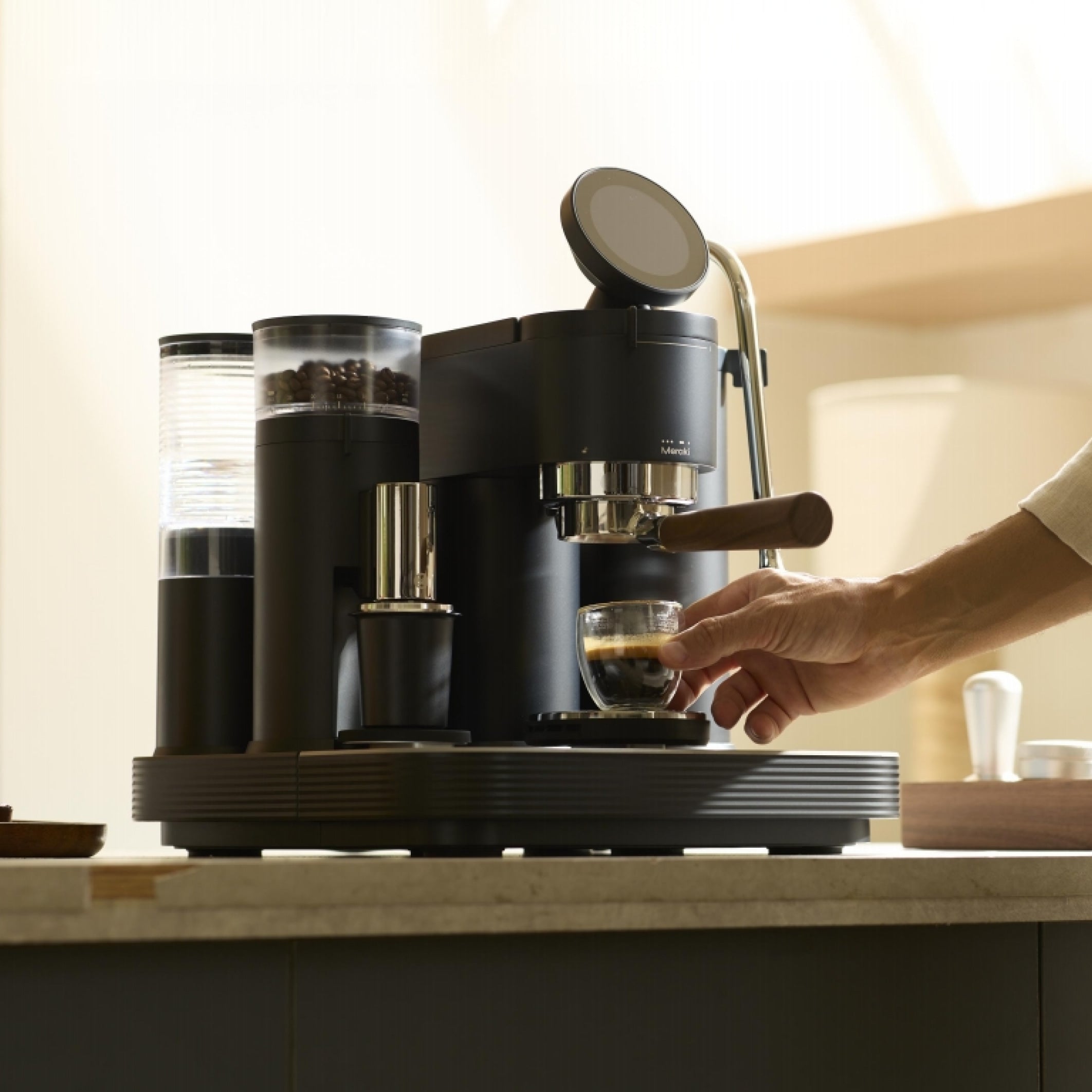
Pull the espresso. Stir in syrup while the shot is hot. Fill the glass halfway with ice. Pour espresso over ice (or shake espresso with ice in a sealed jar for 5–8 seconds, then strain into the glass). Add cold milk to fill, leaving a finger of space if you want cold foam on top. Taste before adding more syrup. Specialty coffee education hubs such as SCA education still prioritize espresso consistency—that matters even more over ice because melt has nowhere to hide weak shots.
Ratio table: espresso, milk, and ice
Use the table as a starting recipe card. Case A is a standard 12 oz iced latte. Case B is a stronger “less melt shock” version for hot kitchens.
| Variable | Case A (standard) | Case B (hot day) |
|---|---|---|
| Espresso | Double shot | Double shot, tighter yield or +1 shot |
| Cold milk | 6–7 oz (180–210 ml) | 5–6 oz (150–180 ml) |
| Ice | Fill ~1/2 glass | Fill ~1/3–1/2; larger cubes |
| Syrup | 1–2 tsp optional | Same; dissolve in hot shot |
| Glass | 12–14 oz | 12–16 oz pre-chilled |
Texture and temperature: what good feels like
A good iced latte tastes cold within two sips, still coffee-forward through the milk, and not watery at the bottom. Large clear cubes melt slower than crushed ice. If you want a silky top without steaming, spoon on cold foam from a separate small batch—do not try to steam milk for an iced drink unless you intentionally want a shaken espresso-style hybrid.
Flavor variations that keep the ratio intact
Vanilla, caramel, and brown sugar work when they dissolve in the shot first. Cocoa for mocha needs a little hot espresso to bloom the powder. Oat milk sweetens perception; cut syrup until you taste again. Do not turn this page into a 40-recipe blog—change one flavor variable per glass so you know what worked. Dairy nutrition lookups belong in USDA FoodData Central when you compare milk calories.
Serving tips that beat dilution
Chill the glass. Prefer larger cubes. Drink sooner rather than letting the latte become iced milk. If you batch for guests, keep espresso shots in a chilled pitcher no longer than a short window, then assemble per glass. Coffee & Health and Harvard’s coffee feature are sensible reading if you are curious about coffee habits beyond the recipe card.
Troubleshooting (rebuttals to common myths)
“Just add more ice.” More ice often means more melt and a weaker finish—fix strength first. “Any leftover coffee works.” Flat drip leftovers taste thin; use espresso or a real concentrate. “Milk foam must be steamed.” For iced drinks, cold milk plus optional cold foam is the usual path. “Syrup on top is fine.” It sinks; dissolve it in the hot shot. Milk-quality discussions collected under Perfect Daily Grind’s milk tag can spark experiments, but your scale and ice habits matter more tomorrow morning.
Meraki workflow notes for iced drinks
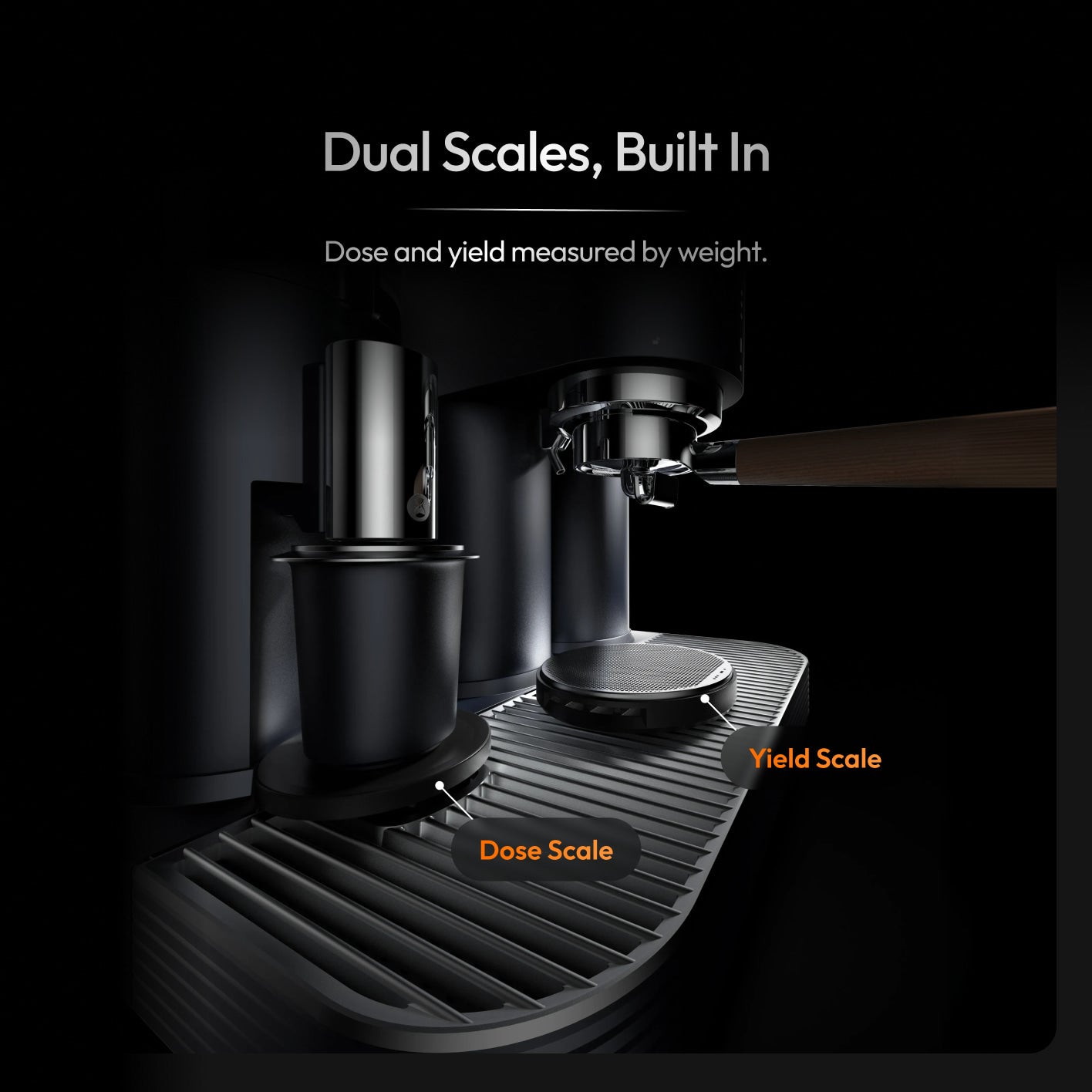
Dual boilers and a guided grind-brew path help you pull a measured shot without waiting on a single boiler while ice sits melting in the glass. Built-in scales keep dose and yield visible so Case A and Case B stay intentional. Steam power is mostly irrelevant for a classic iced latte unless you are steaming a separate hot component. When you want that measured workflow in one machine, see the Meraki espresso machine.
Conclusion
Build the iced latte as espresso strength first, ice second, milk third. Use Case B on hot days. If you only have drip gear, bridge with concentrate—then graduate to espresso when watery glasses stop being acceptable.
Pull more consistent iced-latte shots with the Meraki espresso machine, or explore related drinks in coffee recipes.
FAQ
How many calories are in an iced latte?
Calories come mostly from milk and syrups. An iced latte with whole milk sits higher than one with skim or unsweetened plant milk; espresso itself adds negligible calories. Check your carton and syrup pumps, and use USDA FoodData Central for dairy baselines rather than cafe menu averages.
How do I make a homemade iced latte that is not watery?
Keep the espresso strong, chill the glass, and measure ice so melt does not outrun the coffee. Pour espresso over ice first or shake espresso with ice, then add cold milk. If it still tastes thin, reduce ice or add a second shot instead of more milk.
How many pumps of vanilla are in a latte?
There is no universal pump count at home because bottle pumps differ. Start with 1–2 teaspoons of syrup in a 12 oz iced latte, taste, then adjust. Dissolve syrup in the hot espresso before ice so it mixes instead of sinking in cold milk.
Can I make an iced latte without an espresso machine?
Yes. Brew a concentrate with a moka pot, AeroPress, or strong drip, cool it slightly, then pour over ice and cold milk at about the same coffee-to-milk balance you would use for espresso. It will not taste identical to espresso, but it beats watering down leftover drip.
Is an iced latte the same as iced coffee?
No. An iced latte is espresso (or espresso-style concentrate) with cold milk and ice. Iced coffee is typically brewed coffee poured over ice, sometimes with a splash of milk. The latte is milk-forward; iced coffee is coffee-forward unless you heavily dairy it.
More on this topic: Iced & Cold Coffee Recipes.


