


You order a piccolo because the latte felt endless and the macchiato felt like a dare. What arrives is a small glass of espresso and velvet milk—an Australian cafe habit that travels well to a home machine if you respect the size.
This explainer defines piccolo coffee, tables it against cortado and macchiato, and gives a home build. Differentiate from Meraki’s existing piccolo latte at home by leading with serving-size rules and naming contrasts. Industry depth: Perfect Daily Grind on piccolo latte.
What is piccolo coffee?
Piccolo is a small Australian milk-and-espresso drink.
Expect roughly 90–120 ml (about 3–4 oz) total: a short espresso or ristretto topped with silky steamed milk in a glass.
Piccolo means “small.” It drinks like a mini latte with a higher coffee presence. It is not a marketing syrup flavor. Coffee literacy: NCA, Coffee & Health, SCA.
Piccolo vs cortado vs macchiato
Size and milk intent separate the trio.
Macchiato barely milks the shot; cortado balances roughly equal parts; piccolo plays as a tiny latte, often ristretto-led in Australia.
| Drink | Espresso base | Milk | Typical size | Origin cue |
|---|---|---|---|---|
| Macchiato | Espresso | Dollop foam/milk | Tiny | Italian “marked” |
| Cortado | Espresso | ~1:1 steamed | ~4 oz | Spanish / specialty |
| Piccolo | Ristretto or espresso | Small latte-like pour | ~3–4 oz / 90–120 ml | Australian cafes |
Glass vs ceramic varies by shop; glass is common for piccolo so you see the layers. Naming confusion is normal—describe size if the barista hesitates.
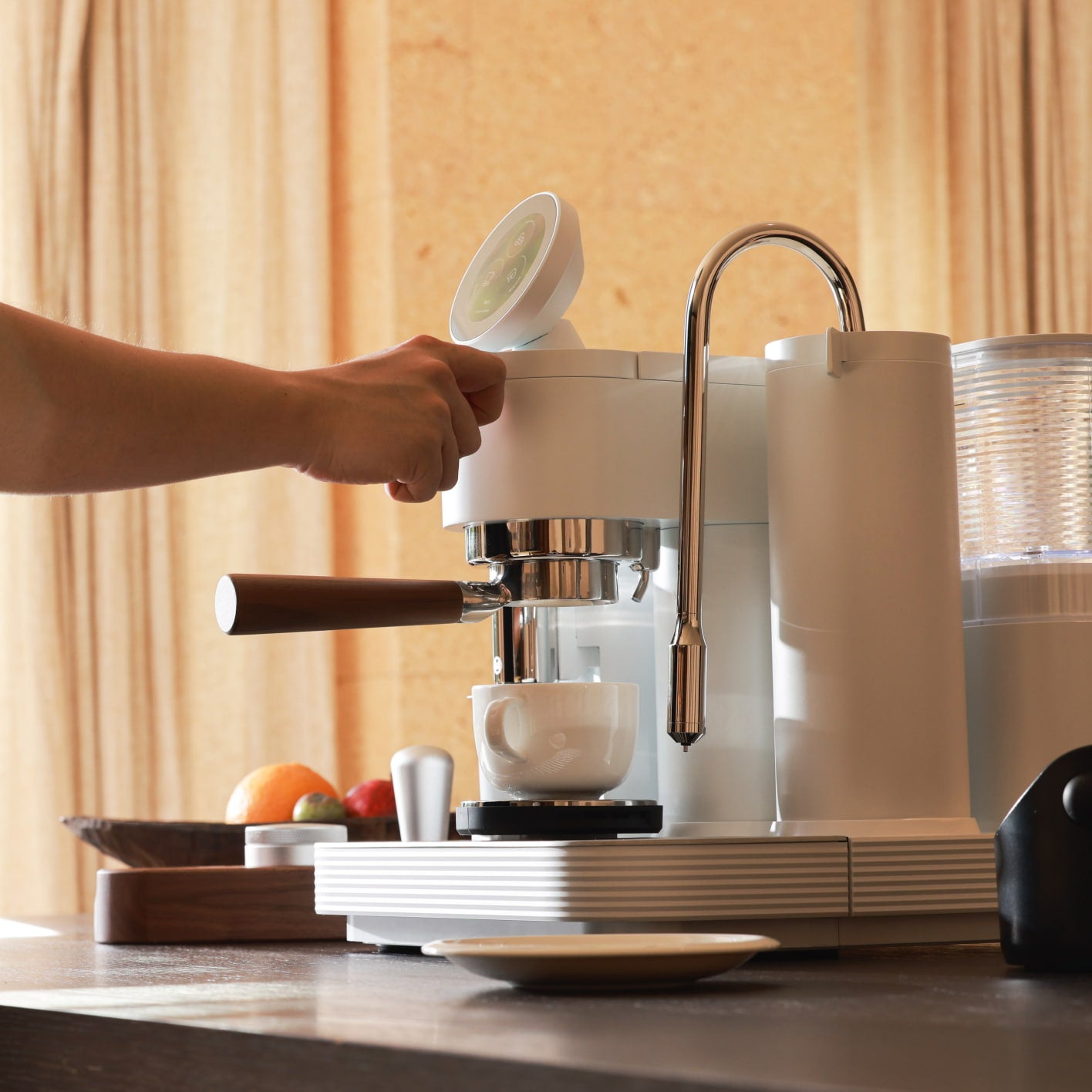
Taste, body, and caffeine
Piccolo tastes espresso-forward with a sweet milk finish when the shot is short and syrupy. Body is compact. Caffeine matches the shot you pulled—not a diet loophole. Use Harvard caffeine and NCA caffeine for general ranges. Roast still shows clearly in a small cup; see NCA roast guide and Coffee Review.
How to make a piccolo at home
Pull a ristretto or short espresso into a 90–120 ml glass, steam a few ounces of milk to glossy microfoam, and pour to fill without building a towering foam cap.
Practical: dose your normal basket; stop yield short if you want ristretto sweetness; steam 60–90 ml milk in a small pitcher; pour gently. Keep stretch brief—this is closer to flat-white texture than dry cappuccino foam. Without a wand, you will struggle to match cafe texture; a milk frother is a bridge, not a peer. Plant milks: barista formulations help; see plant-milk steaming and PDG milk. Beans: beans collection. Tools: accessories.
Common misconceptions
Piccolo is not a kid’s latte with syrup by default. It is not automatically half the caffeine of a latte if the cafe still pulls a full double. It is not identical to cortado everywhere, even when cups look similar. A 10 oz “piccolo” on a chalkboard is a naming error—trust the glass size.
Meraki all-in-one angle
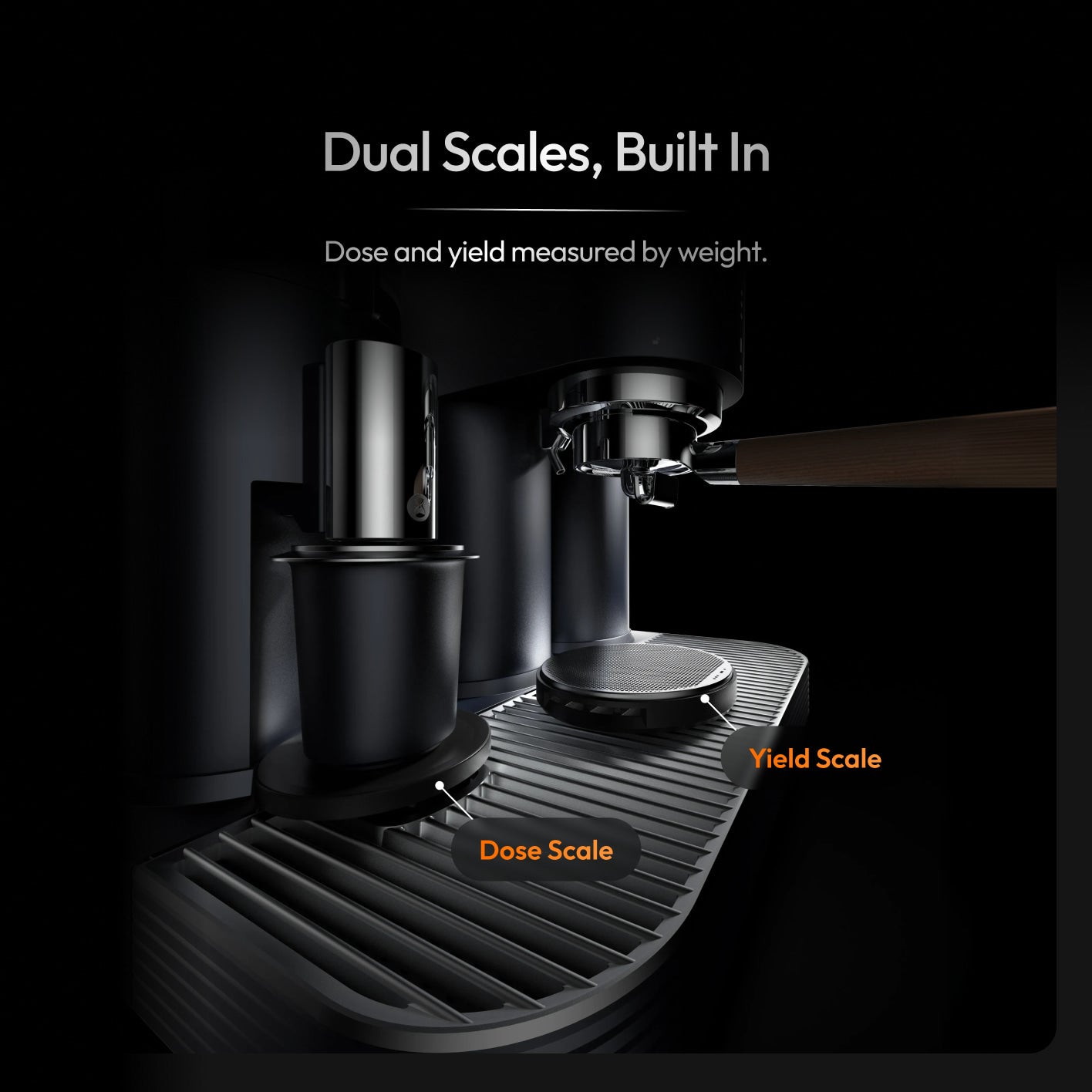
Small drinks punish slow steam and unweighed shots. Dual boilers, dry steam, and built-in scales keep piccolo tight. Guided workflows help you repeat a short yield before milk. View the Meraki espresso machine when you want that capability, and keep the existing recipe notes at piccolo latte at home plus the wider coffee recipes hub.
Glass, cup, and serving ritual
A heatproof glass shows the espresso-to-milk ratio and keeps you honest about size. Ceramic demitasse cups work if volume stays near 90–120 ml. Oversized mugs invite accidental lattes. Pre-warm the glass so a tiny drink does not go cold in a minute.
Ordering abroad: in Australia, piccolo is widely understood. Elsewhere, you may need to say “small latte in a 4-ounce glass” or “like a mini flat white.” That sentence beats arguing etymology at a busy bar. If the cafe only offers cortado, compare after tasting rather than assuming identity.
Ristretto-based piccolos highlight sweetness; normale bases taste longer and sometimes drier. Try both at home on consecutive days with the same beans. Keep milk cold and volumes tiny—steaming 200 ml for a piccolo is how home attempts fail. A small pitcher is not optional gear flex; it is the size constraint that makes the drink itself.
Food pairing stays simple: piccolo fits with pastry without drowning your palate. Because the cup is short, drink it before the crema-milk integration separates. If you need a longer session, order a second piccolo rather than enlarging the first into a different drink. That habit keeps the definition intact.
Troubleshooting tiny milk drinks
If the piccolo tastes weak, your milk volume crept up or the shot ran long. If it tastes harsh, the short shot may be underextracted—grind finer before adding syrup. If milk foam looks bubbly, you stretched too long for such a small pitcher; polish more and pour sooner.
Leftover steamed milk does not store well for a second piccolo. Steam only what you need. Espresso can wait a few seconds; milk waits less patiently. When practicing, use water calibration pours to learn pitcher angles without wasting beans, then switch back to coffee for flavor checks.
Conclusion
Build piccolo as a 90–120 ml Australian-style small milk drink—short espresso, velvet milk, tiny glass. Use macchiato when you want almost no milk, and cortado when you want an equal split.
Pour small, measured milk drinks on the Meraki espresso machine.
FAQ
Piccolo vs cortado?
Both are small milk-and-espresso drinks. Piccolo is the Australian cafe classic often built as a mini latte with a ristretto or espresso in a small glass (~90–120 ml). Cortado emphasizes roughly equal espresso and steamed milk with Spanish/specialty roots. Overlap exists; ask the cafe how they build it.
Piccolo vs macchiato?
Macchiato only marks espresso with a spoon of foam. Piccolo includes a real steamed-milk pour, just in a tiny volume. If your drink is mostly straight espresso with a white spot, that is macchiato territory.
How much milk in a piccolo?
Think ounces, not pints: often roughly 2–3 oz (60–90 ml) steamed milk over a short espresso base in a ~3–4 oz (90–120 ml) glass. Recipes vary; keep the cup small so milk cannot balloon into a latte.
Is piccolo always ristretto-based?
Not always, but many Australian cafes prefer a ristretto or short espresso for sweetness in the small format. A normale espresso works if you like more bitterness and length.
How much caffeine in a piccolo?
Caffeine follows the shot—usually one strong short shot or a small double depending on the cafe. It is not low-caffeine by magic; the cup is just small.


